The method used by the contractor to install a roof can have a significant impact on the water-tightness and even the length and coverage of a warranty available. In this article, we’ll explain the main types of fastening approaches and what to consider when choosing a metal roof system.
Through-Fastening – Penetration & Problems
Metal roof systems where the screw or nail securing the metal roofing to the deck, purlin, lathe, etc., and penetrates through the panel itself are called through-fastening. Exposed fasteners are normally self-drilling screws with a hex-head drive. These screws will typically have an oversized “cap” head, which protects a neoprene washer, which is in place for water tightness.
Tab systems are similar as well. They come with holes predrilled for the fasteners. The fastener can be concealed under the roof on certain types of tab-fastened panels as well. These systems are generally used in agricultural and commercial applications.
With a through-fastening system, installers often paint the screws to match the roof system. Although the screws are self-drilling, most installers will pre-drill holes in the roofing from the backside to ensure proper placement.
Through-fastened panels that utilize exposed fasteners are quite common. In many cases, the exposed fastener is simply driven through an overlap in the panels’ courses as well as through other strategic locations as specified by the roofing manufacturer.
Exposed fastener systems are usually of lesser quality and, therefore, come with more limited warranties than concealed fastener systems. Since through fasteners are exposed, they are subject to the elements and tend to break down and fail much sooner than concealed-fastener panels.
While potentially faster and cheaper, roofs installed using through-fastener systems tend to fail over time due to the natural expansion and contraction of the metal around the fastener, which ends up creating space for water to penetrate under the roof.
Clip-Fastened Systems
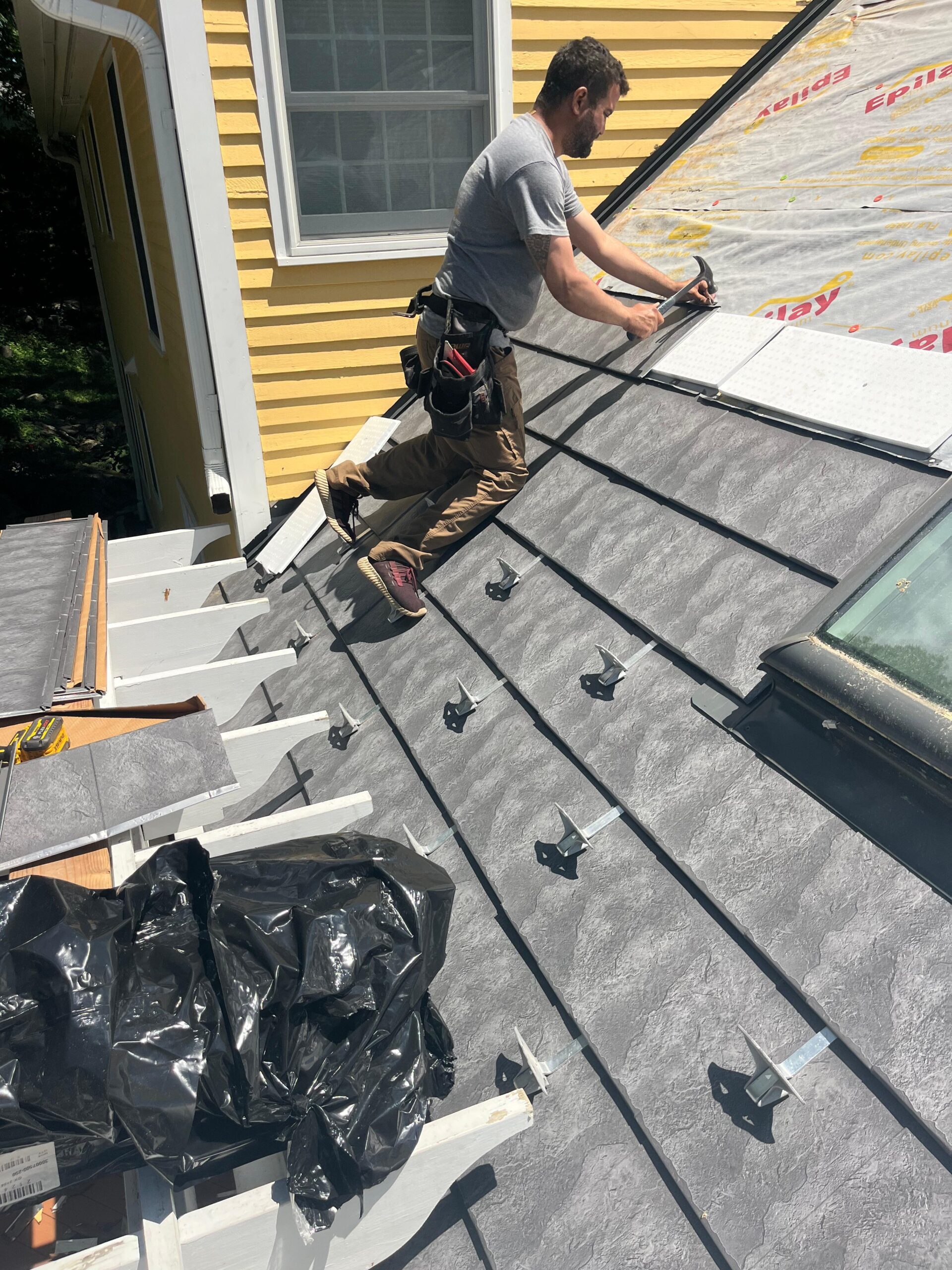
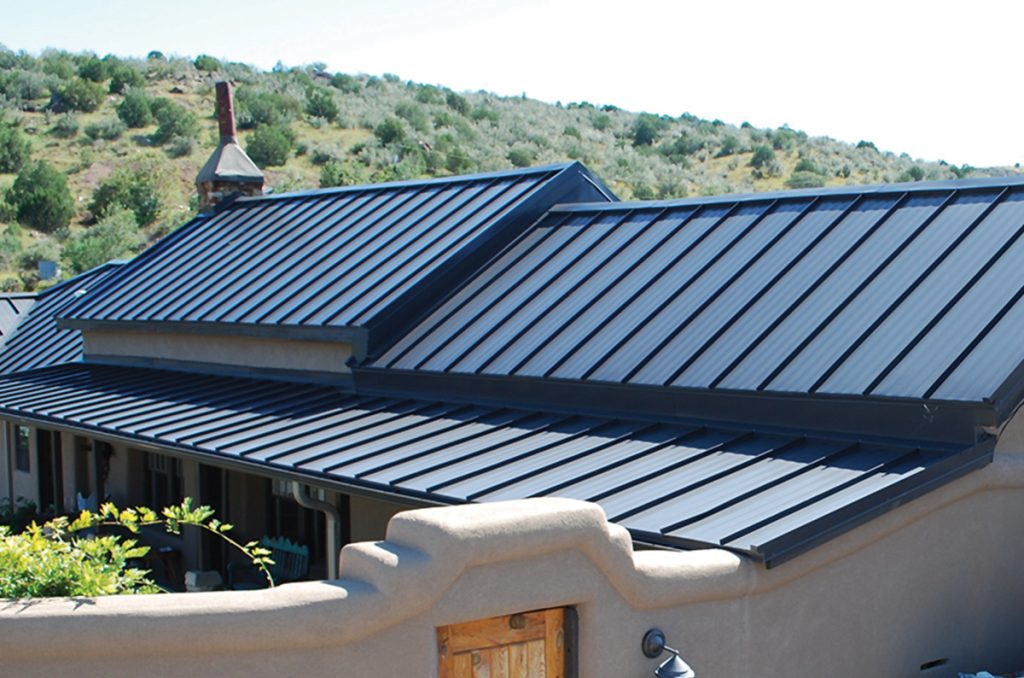
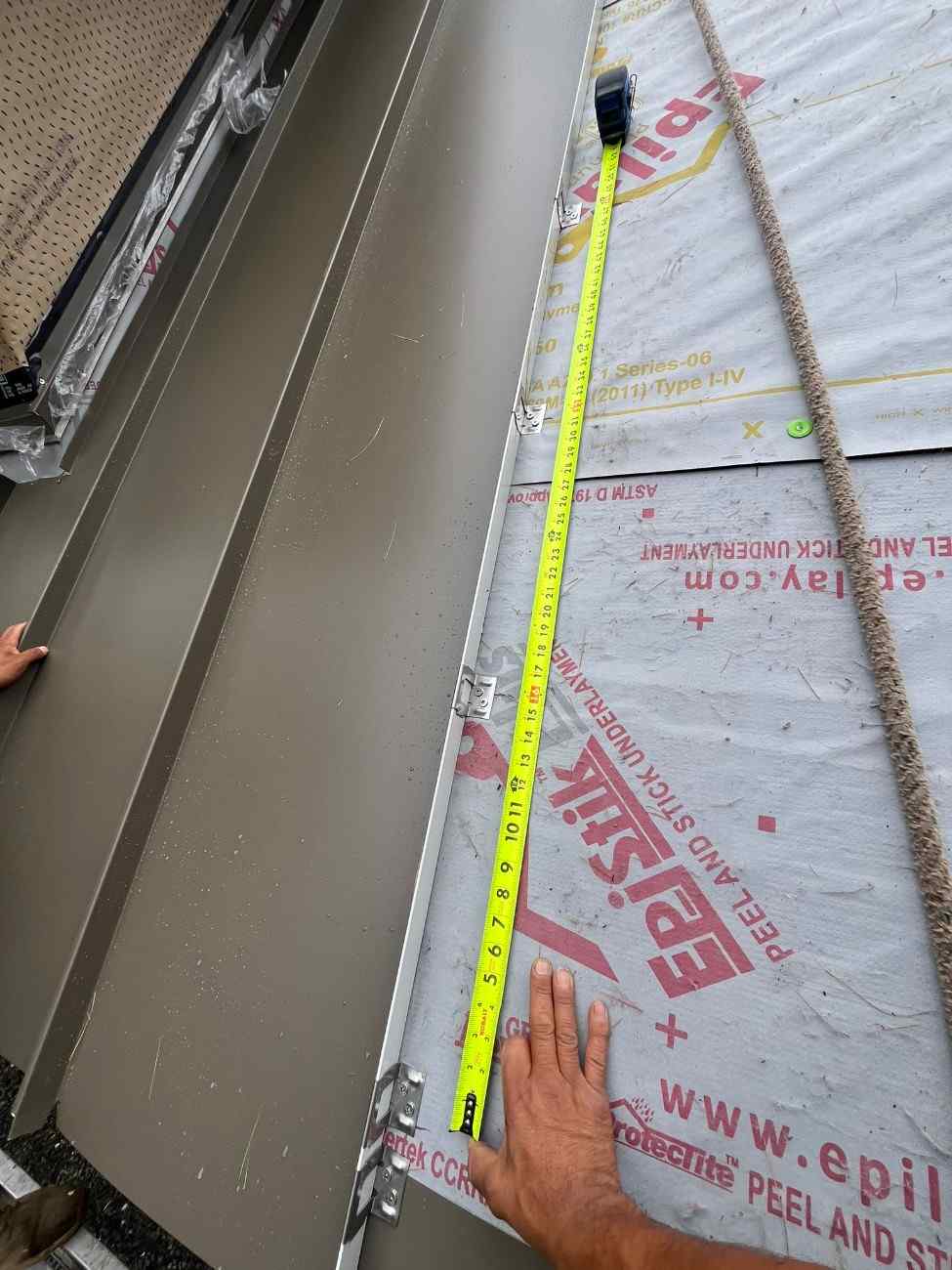
Unlike through-fastened systems, which penetrate the roofing materials, clip-fastened systems attach to the panel or shingle. The installer drives fasteners (typically screws) through the clips versus through the actual roofing material. In most cases, both the clip and fastener are concealed under the roof. These attachments are the highest-quality approach for architectural metal roofs because they allow for the full expansion and contraction of the metal.
Concealed-clip fastener systems are higher quality and more functionally sound for another reason, too. Because metal expands and contracts when it is subjected to temperature changes, sometimes panels tend to “wrinkle” or “oilcan,” as it is called in the industry. The most common cause of oil canning is fasteners that were driven too tightly and therefore cannot move as the roof material expands and contracts.
When an installer secures panels with fasteners that are driven through a clip and not the panels themselves, the result is a system that “floats” over the deck and is far less susceptible to oil canning. This construction also creates less fastener fatigue. With concealed fasteners, the fasteners are often screws for longer roofing panels and nails for smaller “modular” sized shingles.
For the longest-lasting, highest-quality roof installation, look for an installer that uses clip-fastening. Not only will your roof continue to look great, but you’ll also avoid potential oil-canning and leaking and likely be able to secure a more comprehensive and longer-lasting warranty.