When considering a stone-coated roof, it’s important to weigh several things:
- Durability
- Construction
- Rust potential
- Maintenance challenges
- Environmental damage risks
- Cost and ROI
- Alternatives
We’ll cover all of these in this article.
Choosing the right roofing material is a critical decision for any homeowner, as it affects not only the aesthetic appeal of a home but also its long-term durability and financial value. While stone-coated steel roofs might initially appear to be a durable and appealing option, there are significant drawbacks that warrant consideration. Here’s why opting for these roofs might not be the best choice.
Durability and Granule Shedding
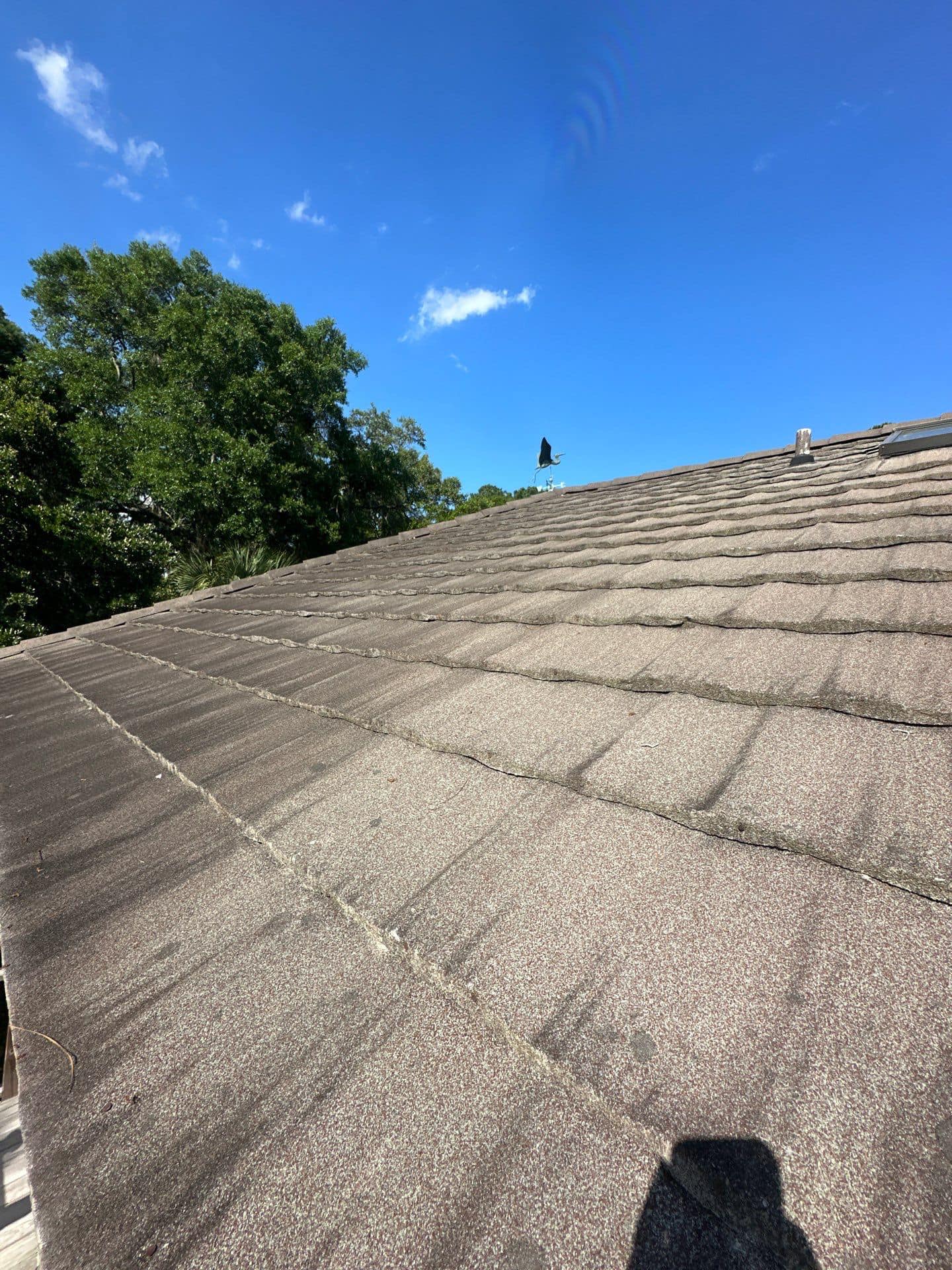
One of the primary issues with stone-coated steel roofing is the granule layer. This layer is designed to enhance the roof’s aesthetic appeal and provide an additional barrier against the elements. However, over time, these granules can become loose and fall off. This process, known as granule shedding, is caused by the natural occurrence of expansion and contraction of materials due to heat and cold.
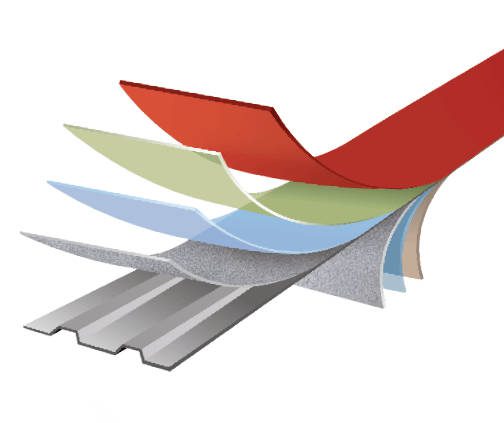
Stone-coated Metal Roof Construction
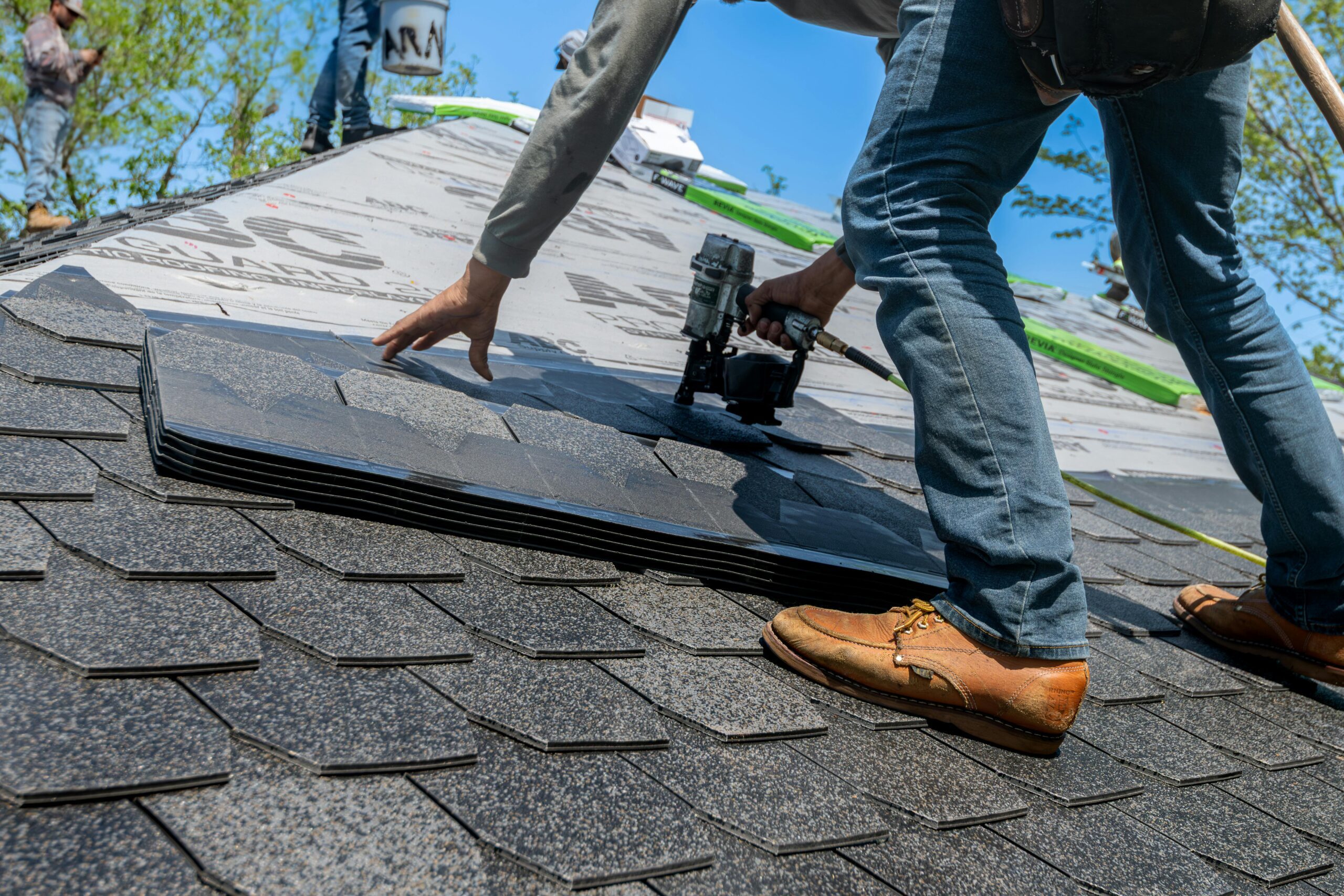
These roofs consist of 3 distinct parts: the base metal, the bonding adhesive (glue), and the stones. Each material expands and contracts at different intervals, which ultimately will cause them to separate from the shingle itself. Severe weather, regular wear, and even the natural settling of the roof can accelerate the separation. Once these granules are lost, the roof not only loses its attractive finish but also its added protection, making the underlying material more susceptible to rust.
Rust Potential
While the steel used in stone-coated roofs is generally treated to resist rust, granule shedding exposes the metal to moisture and air, both of which can lead to oxidation (rust). Over time, this exposure increases the risk of rust, which can compromise the structural integrity of the roof. This issue is particularly concerning in environments with high humidity or frequent rainfall, which accelerates corrosion.
Maintenance Challenges
Maintaining a stone-coated steel roof can be more demanding than it initially seems. Replacing or repairing areas where granules have shed can be complicated when trying to match the existing color and texture. The result is an unattractive, patchy appearance. Additionally, mitigating rust and other damage early requires. regular inspections. Not doing so can mean time-consuming and expensive repair later.
Environmental Damage Risks
Stone-coated steel roofs are sold and marketed for their durability and aesthetic appeal, but like most roofing materials, they are not immune to certain challenges. One common issue homeowners face is the potential for organic growth, such as moss, lichen, and black algae streaks, which can subtly impact the roof’s appearance and functionality. The rough texture is a magnet for green growth. Mike – I added this last sentence, but I am not sure it is true. If it is no, please delete.
Organic growth typically thrives in environments that are shaded and damp. Stone-coated steel roofs can accumulate moisture and organic debris, which can create an ideal environment for the growth of algae and other organisms. Unsightly black algae streaks, in particular, are caused by a type of cyanobacteria that spreads in humid climates.
Cost and ROI of Stone-Coated Metal Roofs
Given the frequent inspection requirements, likely high maintenance costs, and potential for damage that requires expensive repairs or full replacement, stone-coated metal roofs can end up being far more expensive than other options. Upon sale of a home with a stone-coated roof, buyers will likely factor in the cost of replacing the roof when negotiating a purchase price.
Better Alternatives to Stone-Coated Metal Roofs
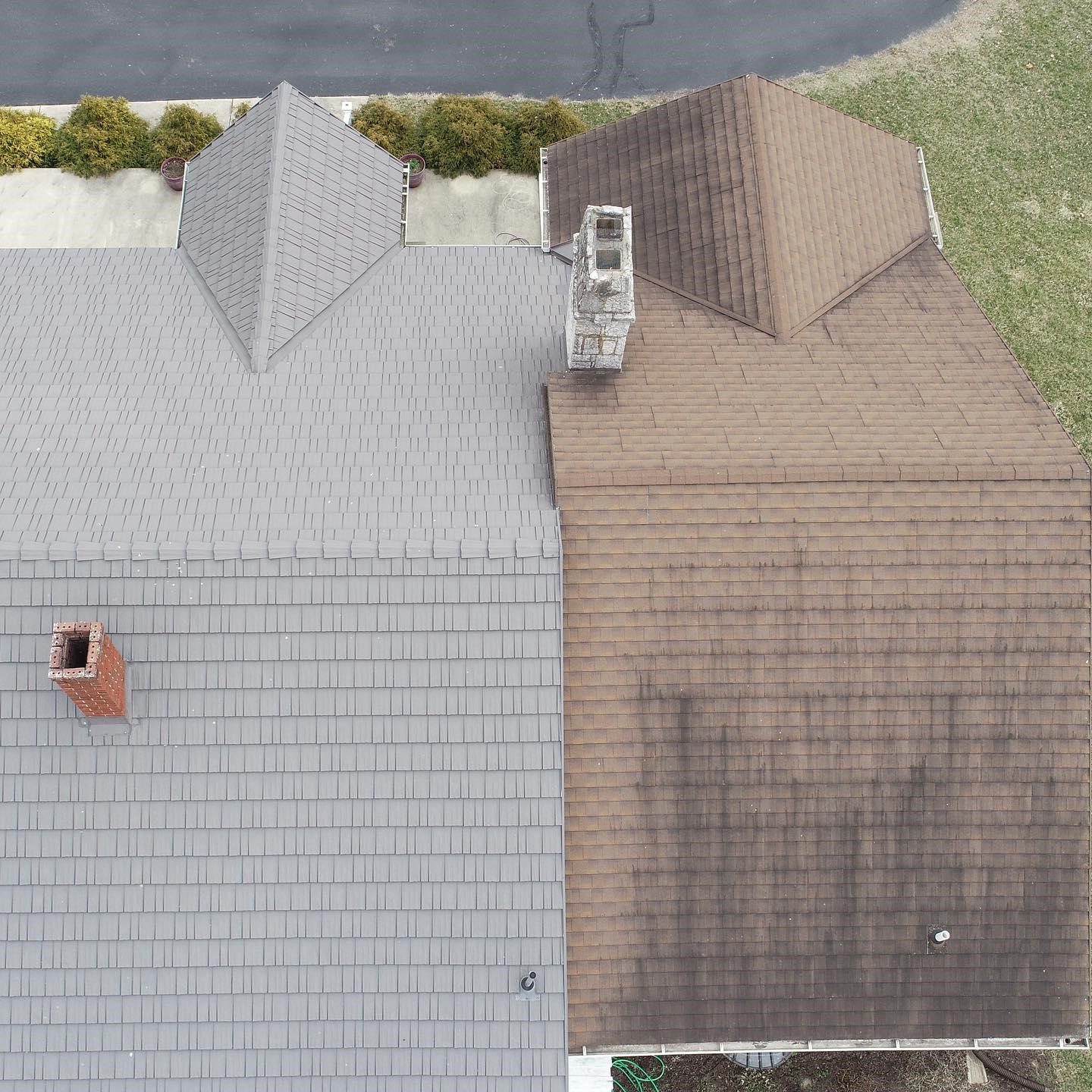
For homeowners seeking the benefits of metal roofing without the drawbacks associated with stone-coated variants, textured metal shingle or standing seam roofs offer a long-lasting, no-maintenance alternative with an enduring aesthetic appeal. These roofs are renowned for their durability, resistance to harsh weather, and strong investment value. By choosing a high-quality aluminum metal roof, homeowners can enjoy peace of mind knowing their home is protected against the daily stresses of environmental exposure.
In conclusion, while stone-coated steel roofs may initially seem appealing due to their aesthetic qualities and advertised durability, the potential for granule shedding, organic growth, staining, and rust poses significant risks. Homeowners should weigh these considerations carefully and explore alternative roofing options that promise long-term reliability and satisfaction.