Metal roofing inspections are a crucial part of maintaining your home’s protection and long-term value. Many homeowners don’t realize the importance of regular inspections until problems become expensive to repair. A proper inspection involves checking multiple components of your roofing system, from individual panels to drainage systems and everything in between. This guide explains what happens during a metal roof inspection, what inspectors look for, and why regular maintenance checks are so important. You’ll learn about the signs of damage to watch for and the benefits of maintaining your roof’s optimal condition. Working with reliable roofers who understand metal roofing systems helps ensure your investment stays protected for years to come.
Importance of Metal Roof Inspections
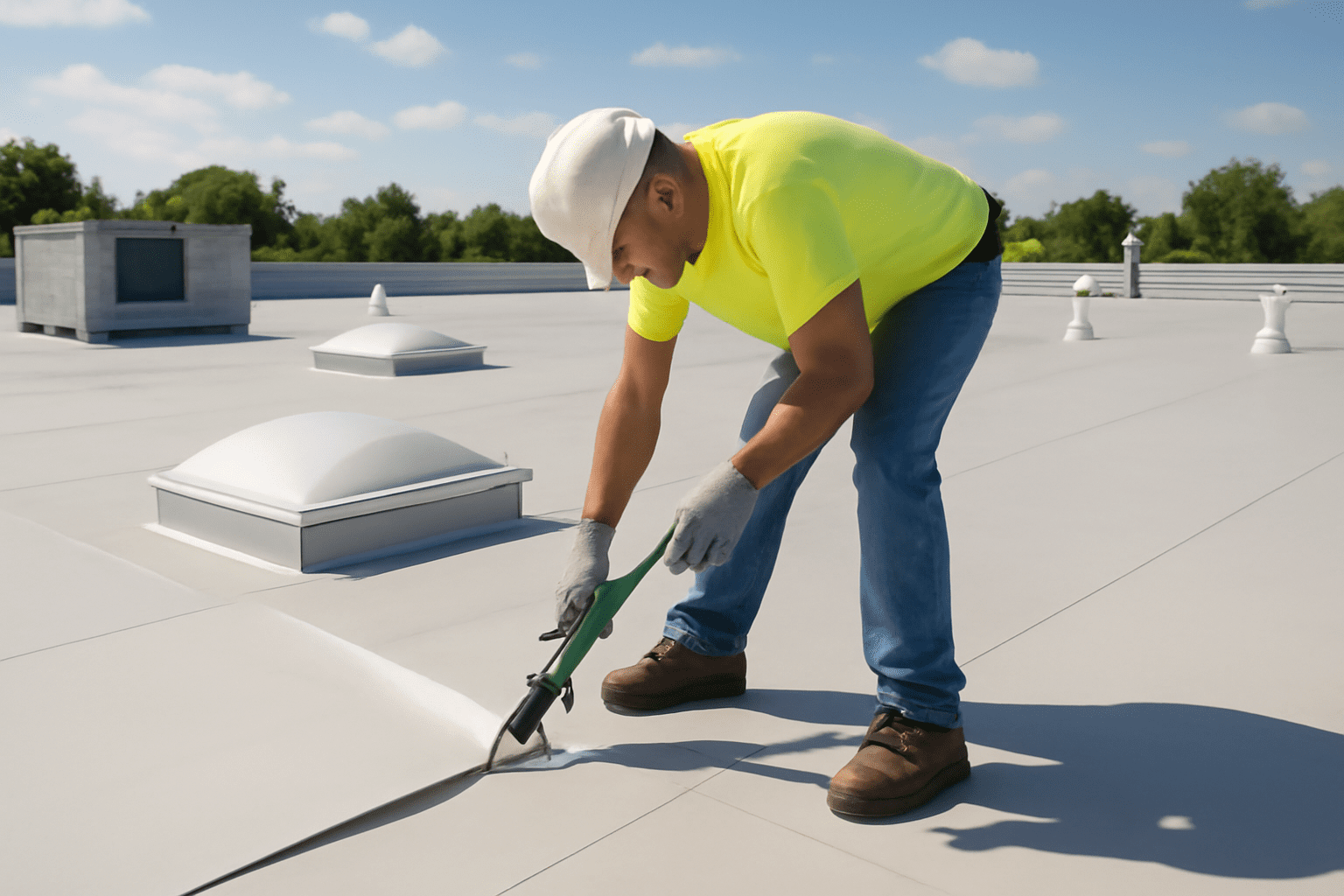
Regular metal roof examinations are necessary to ensure the longevity and performance of the roofing system. By conducting thorough and systematic inspections, potential issues can be identified early, preventing costly repairs or even premature replacement. Examinations allow us to assess the overall condition of the roof, including checking for signs of corrosion, loose or damaged panels, and improper installation. We also inspect the roof flashing, sealants, and gutters to ensure they are functioning properly. Inspections provide an opportunity to address any maintenance needs promptly, such as cleaning debris or reapplying protective coatings. Investing time in regular roof examinations is important for maximizing the lifespan and efficiency of your metal roofing system.
Components Checked During Inspection
During a metal roof inspection, various components are carefully examined to ensure optimal functionality and long-term performance. We begin by examining the roof panels, looking for signs of corrosion, dents, or loose fasteners that could compromise the roof’s integrity. Flashings are carefully inspected to verify they are securely attached and effectively divert water away from vulnerable areas. The condition of the roof’s seams is evaluated to prevent leaks and water infiltration. We also inspect the roof’s drainage system closely, ensuring that gutters and downspouts are clear of debris and properly channel water away from the building. By methodically examining these key components, we can identify any potential issues early on and prevent costly damage down the line.
Signs of Metal Roof Damage
We systematically examine metal roofs for subtle signs of damage to ensure early detection and prevention of potential issues. During our thorough inspections, we carefully search for indications such as rust spots, loose or missing screws, dents, scratches, or any visible signs of corrosion. We pay close attention to areas where water may collect, like around vents, chimneys, or gutters, as this can lead to water damage and leaks. Checking for any blistering, peeling paint, or discolored patches is important in identifying areas of concern. We inspect the condition of sealants and flashing to make sure they are intact and effectively protecting the roof. Our detailed approach aims to identify and address any metal roof damage before it worsens, thereby maintaining the roof’s longevity and structural integrity.
Benefits of Regular Inspections
To fully understand the value of metal roofing inspections, it’s essential to recognize the numerous benefits they provide in maintaining the structural integrity of a property. Regular inspections enable the early detection of potential issues, allowing for timely repairs that can prevent more extensive damage and costly repairs in the future. By identifying and addressing small problems before they get worse, inspections help extend the lifespan of the metal roof. These assessments make sure that the roof is functioning at its best, improving energy efficiency and reducing utility costs. Conducting regular inspections can uphold warranties and insurance coverage, as many policies require proof of maintenance. The benefits of routine metal roofing inspections are important for preserving the quality and longevity of your property’s roof.
Hiring a Professional Inspector
When seeking a professional inspector for your metal roofing, it’s important to prioritize experience and knowledge in the field.
- Please inquire about the inspector’s knowledge of common issues with metal roofs and their approach to problem-solving.
- Look for inspectors who have received specialized training in metal roofing systems.
- Verify the inspector’s credentials and certifications related to metal roofing inspections.
- Seek recommendations or reviews from previous clients to gauge the inspector’s reputation.
Other Related Posts: