Composition roofing has become a popular choice for homeowners across the country due to its practical benefits and versatility. High-quality metal roofing solutions and composition roofing materials offer homeowners reliable protection for their homes while maintaining affordability. This roofing material combines asphalt, fiberglass, and mineral granules to create a durable surface that withstands harsh weather conditions. Understanding the different types, installation considerations, and maintenance requirements can help you decide if this roofing option fits your home. This guide covers everything you need to know about composition roofing, from material types to cost comparisons with other roofing options.
Definition of Composition Roofing
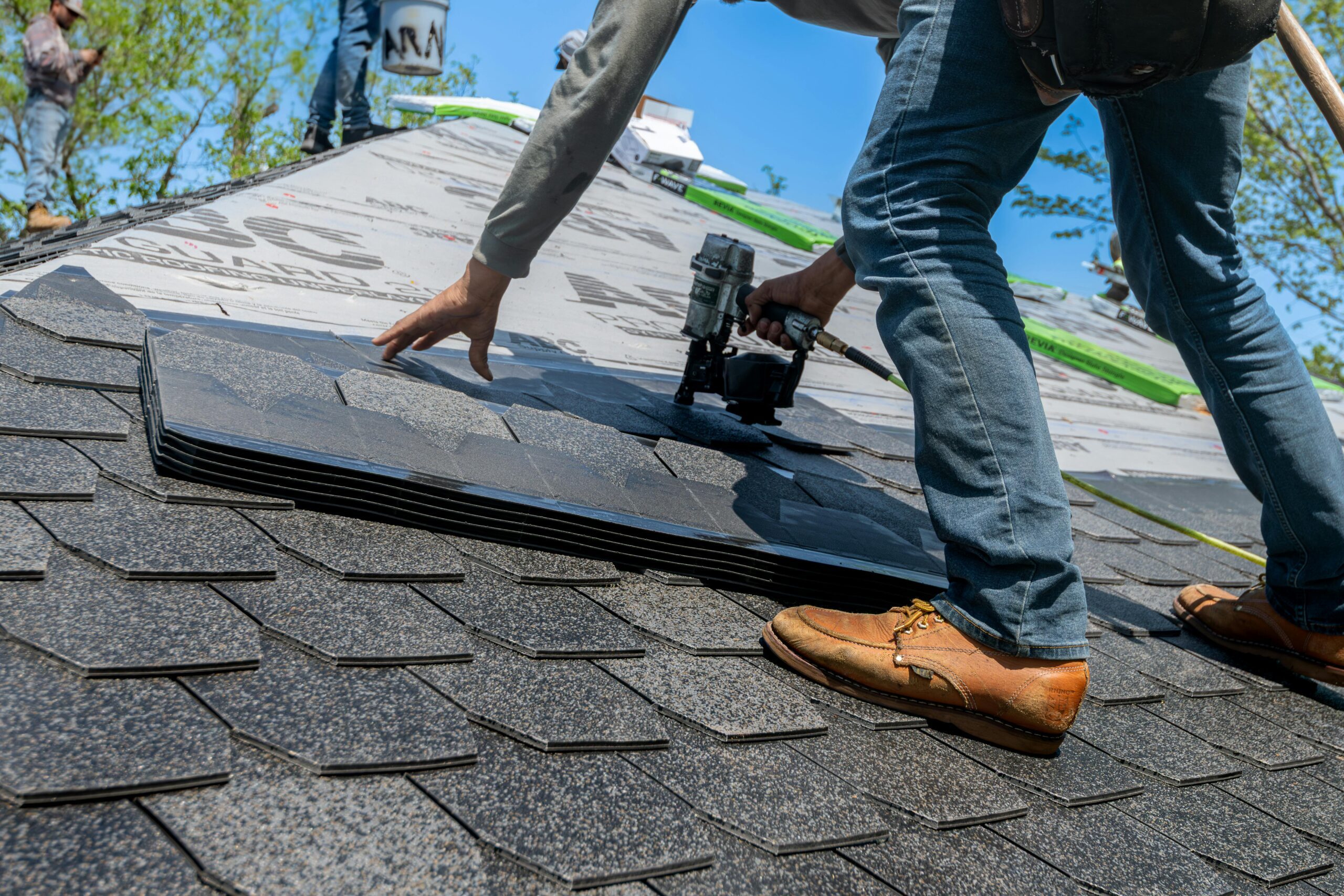
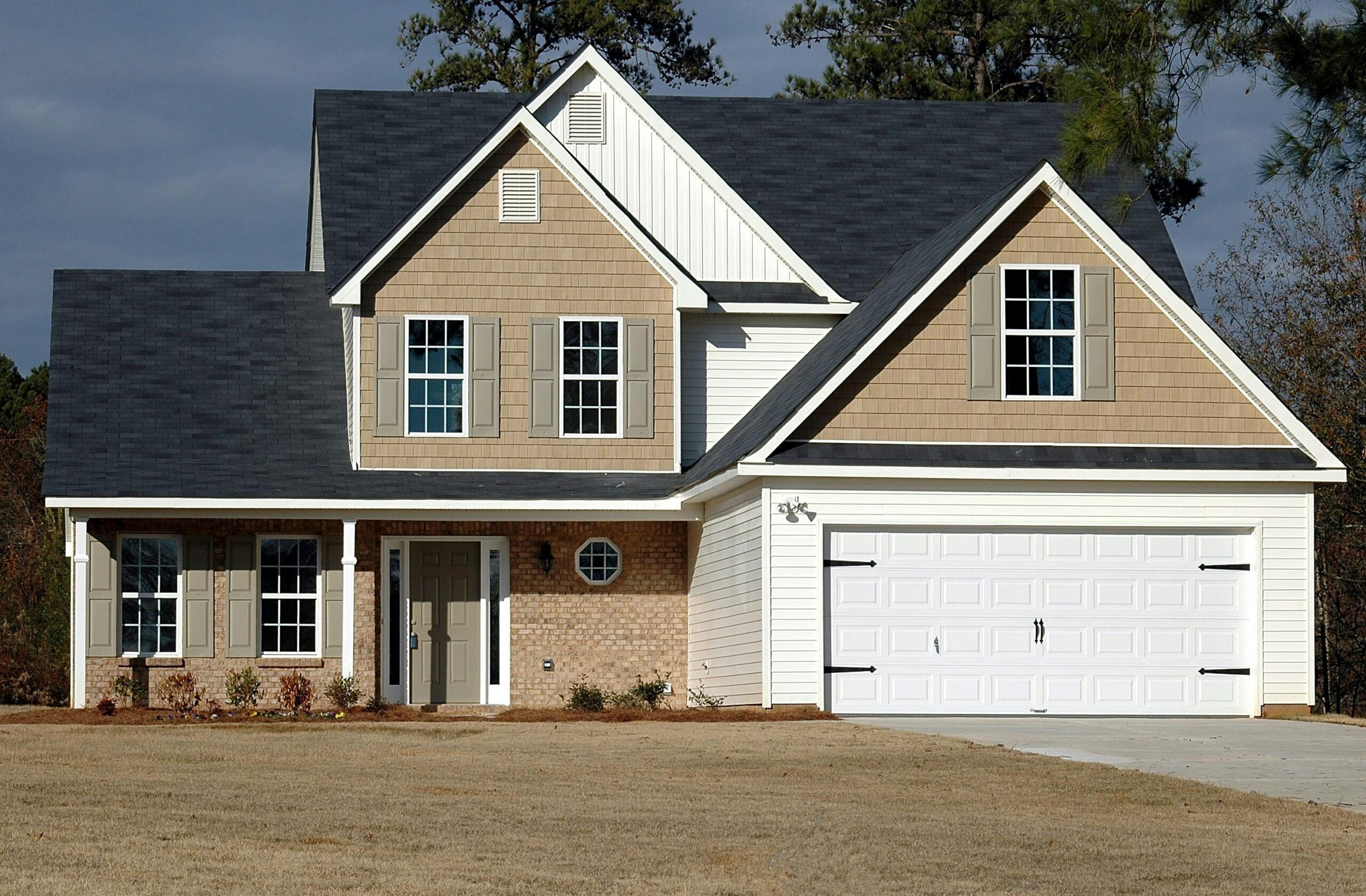
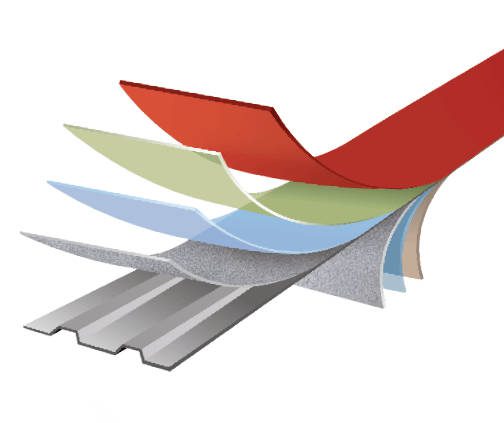
Composition roofing, also known as asphalt shingles, is a popular roofing material made from a mixture of asphalt, fiberglass, and mineral granules. It gets widely chosen for its durability, versatility, and affordability. This type of roofing is known for its ease of installation and maintenance, making it a practical choice for many homeowners. Composition roofing comes in many styles and colors, allowing homeowners to match their roof to their home’s appearance. It provides strong protection against the elements, including rain, wind, and UV rays. Due to its long lifespan and resistance to fire, composition roofing becomes a favored option for residential properties seeking a reliable and cost-effective roofing solution.
Types of Composition Roofing Materials
When picking roofing materials, you have several composition options to choose from. The main types include asphalt shingles, fiberglass shingles, and architectural shingles. Asphalt shingles are the most common choice because they’re durable and affordable. Fiberglass shingles weigh less and resist fire better than regular asphalt. Architectural shingles (also called laminate shingles) have a textured look and last longer than basic asphalt shingles. Each type has its own benefits, so think about what matters most for your home before deciding.
Advantages of Choosing Composition Roofing
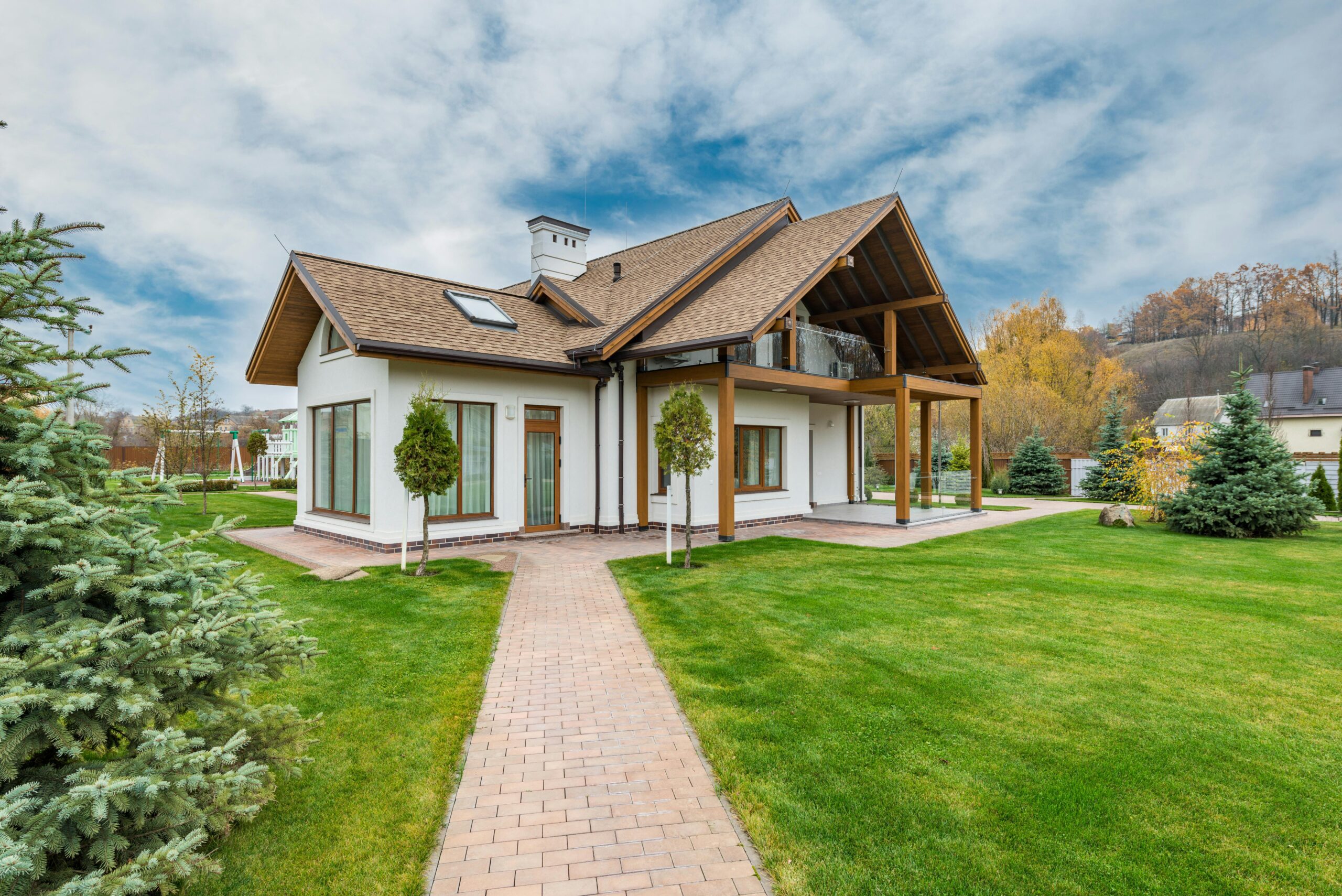
Composition roofing offers many benefits that make it a smart choice for homeowners. You can pick from a wide range of colors and styles, including shingles that look like wood or slate. These roofs are strong and don’t need much maintenance, which saves you money over time. They’re also lightweight, so they won’t put too much stress on your house structure. Installation is straightforward, which helps keep labor costs down. These benefits make composition roofing a top choice for homeowners who want reliability and flexibility.
Factors to Consider Before Installation
Before installing composition roofing, you need to think about several important factors. Check your area’s weather patterns since some composition materials work better in certain climates. Look at your roof’s slope and design to pick the right materials. Set a budget that balances cost with quality. Make sure you follow local building codes and rules. Talk to a trusted roofing contractor who can give you advice based on your specific situation.
Composition Roofing Maintenance Tips
Taking care of your composition roof helps it last longer and work better. Here are key maintenance steps:
• Check your roof regularly for missing or curled shingles, cracks, or moss
• Keep the roof clean by removing leaves, branches, and other debris
• Schedule professional inspections once a year
• Fix any damage quickly to prevent bigger problems
• Clear gutters to prevent water backup
Regular care prevents small issues from becoming expensive repairs and helps your roof reach its whole lifespan.
Cost Comparison With Other Roofing Options
While composition roofing might cost a bit more upfront than basic asphalt shingles, it saves you money in the long run. Metal roofing costs more to install and repair. Wood shakes are pricier and need more upkeep. Tile roofing lasts a long time but comes with a high price tag. When you consider how long composition roofing lasts, how little maintenance it needs, and how energy-efficient it is, it proves to be a wise financial choice. The total cost over the roof’s lifetime makes composition roofing an excellent value for homeowners who want both durability and affordability.
Other Related Posts: