Membrane roofing uses materials like EPDM, PVC, TPO, and modified bitumen to create a strong waterproof barrier on buildings. These materials are made with special polymers that resist weather and last for many years. The setup requires careful surface preparation, the use of primer, and multiple layers for optimal protection. The top layer stops water from getting through, while the lower layers add strength and help everything stick together properly. While many property owners consider traditional options, membrane systems offer unique advantages alongside metal roofing companies in Rhode Island.
Membrane Roofing Materials
Membrane roofing uses several different materials to create a waterproof barrier for buildings. EPDM is a rubber membrane that bends easily and handles weather well. PVC resists chemicals and fire while lasting a long time. TPO combines the flexibility of EPDM with PVC’s ability to be welded together. Modified bitumen uses asphalt mixed with materials like polyester or fiberglass to make it stronger and more flexible. Each material works best for different situations, giving both commercial and residential buildings reliable waterproof protection.
Installation Process
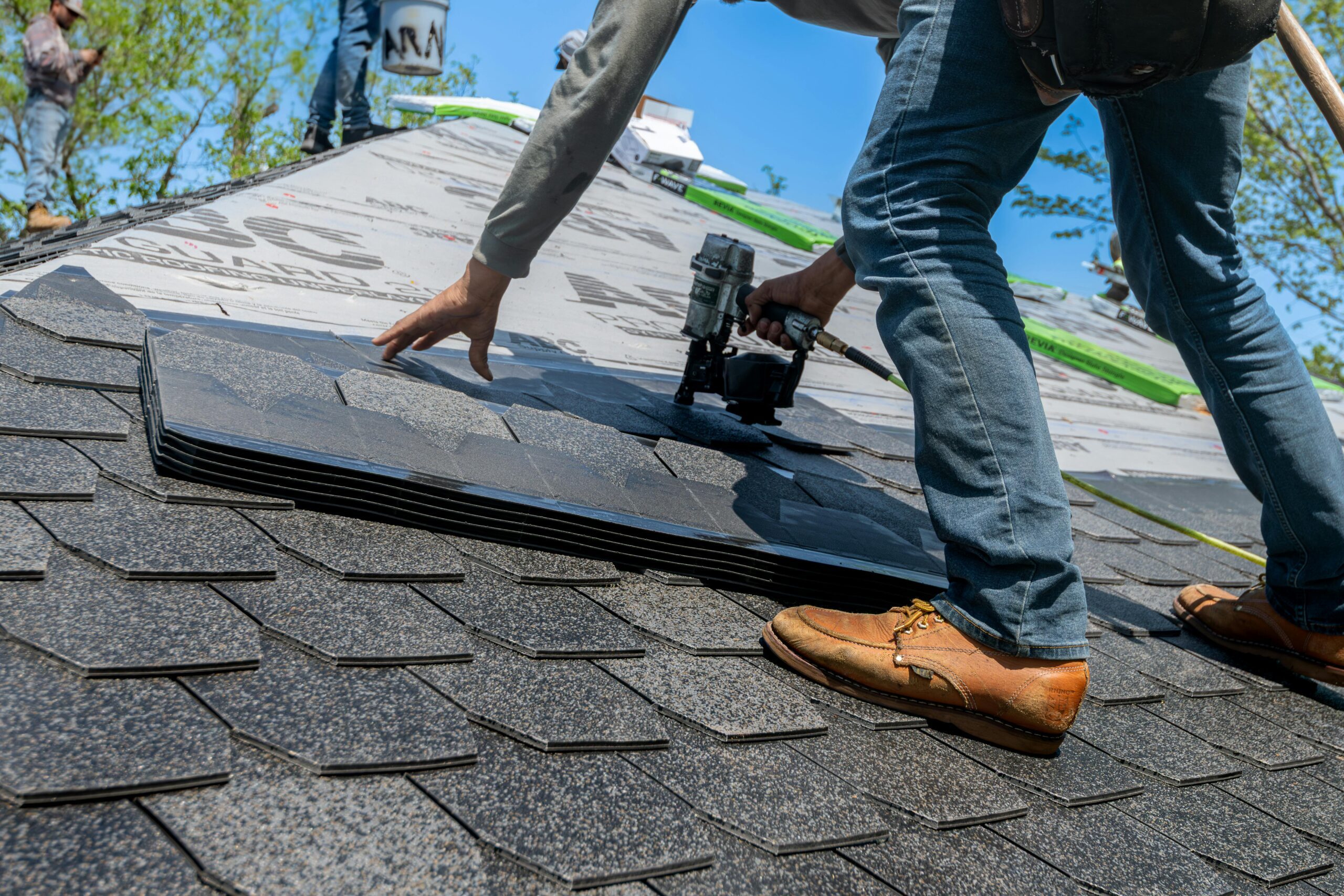
Installing membrane roofing starts with getting the roof surface ready for a smooth, secure base. This process includes:
- Surface Inspection: Look over the roof for damage, moisture, or problems that might affect how well the membrane sticks.
- Substrate Preparation: Clean the surface completely to remove dirt, debris, and old roofing materials. Make sure the surface is dry and clean.
- Priming: Put on a primer to help the membrane stick better to the surface. This step is important for good adhesion and membrane performance.
Following these steps carefully helps make sure the membrane roofing goes on correctly.
Waterproofing Technology
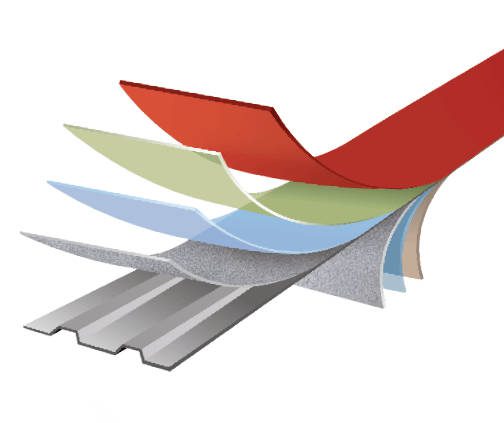
Membrane roofing systems use special polymer materials that provide strong protection against water getting through. These membranes have multiple layers that each do a specific job to prevent leaks. The top layer, made from TPO, PVC, or EPDM, acts as the main barrier against water. Below this, a strengthening layer makes the membrane tougher and harder to puncture. The middle layer adds more waterproofing and stability. The bottom layer helps everything stick to the roof deck. These layers work together to seal the roof completely and protect the building from water damage.
Benefits of Membrane Roofing
Membrane roofing offers many advantages that make it popular for building projects:
- Durability: Membrane materials handle tough weather like heavy rain, snow, and sun exposure well, lasting longer than many traditional roofing materials.
- Energy Efficiency: Some membrane systems reflect sunlight, which reduces heat buildup and lowers cooling costs for the building.
- Low Maintenance: Once appropriately installed, membrane roofing needs very little upkeep, saving time and money on repairs and inspections.
Maintenance and Repairs
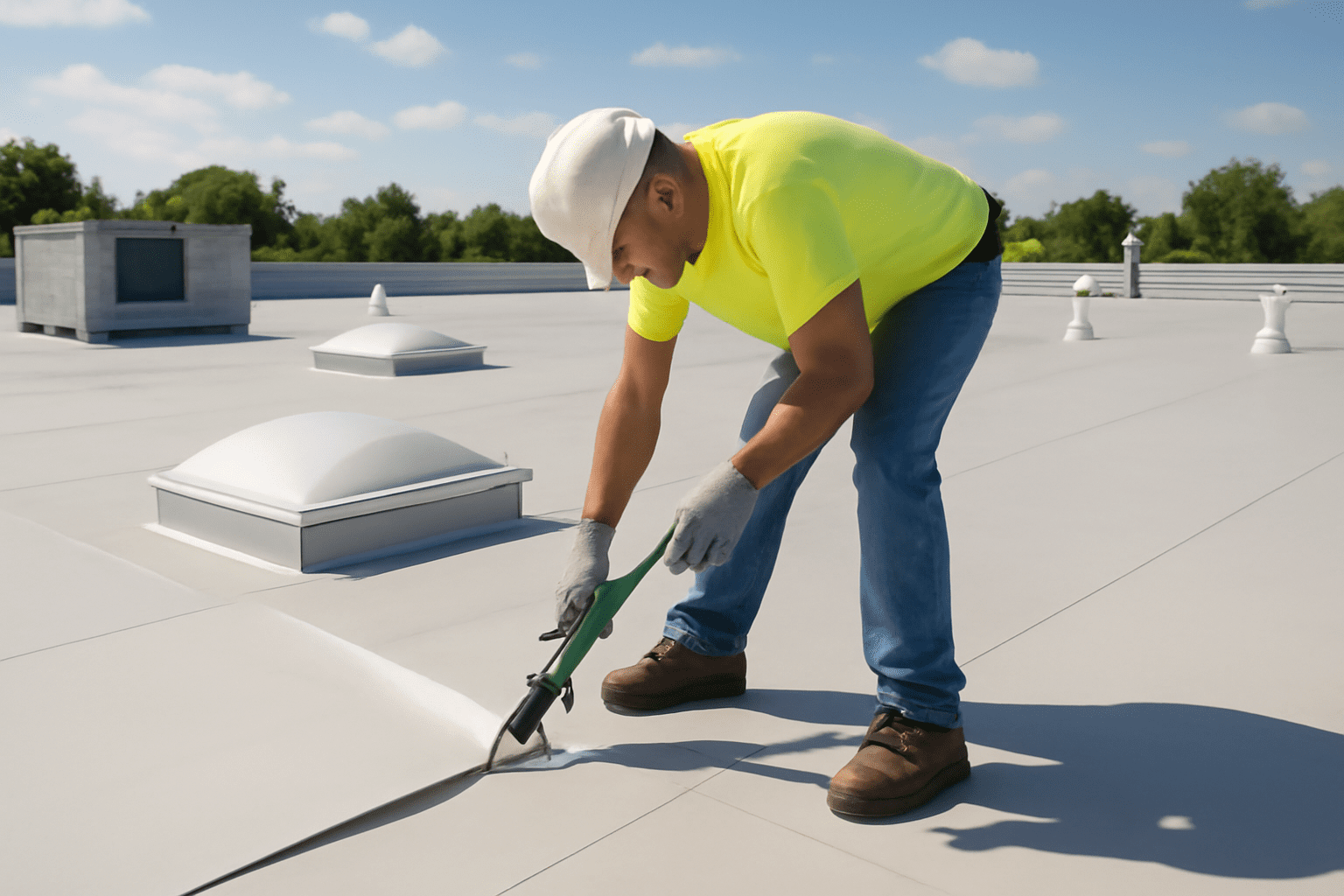
Regular checks and quick fixes keep membrane roofing systems working well for many years. Inspections should happen at least twice yearly, looking at seam condition, surface quality, and drainage systems. Any damage like holes, tears, or loose flashings needs immediate attention to prevent water problems and structural issues. Repairs should use matching materials to keep the membrane working properly. When fixing problems, clean and dry the area first so new materials stick well. Regular care, including removing debris and checking for standing water, prevents early aging. Following a strict maintenance schedule helps membrane roofing systems provide reliable protection for decades.
Longevity and Durability
Making membrane roofing systems last requires careful maintenance and proactive care. To keep the membrane in good shape and get the most life from it, focus on these key areas:
- Regular Inspections: Check the roof routinely to spot damage or wear early. This allows for quick repairs before small problems become big ones.
- Proper Drainage Maintenance: Keep the roof’s drainage system clear of debris and working correctly to prevent water buildup that can damage the membrane.
- UV Protection: Use UV-resistant coatings or reflective surfaces to protect the membrane from sun damage, helping it last longer.
Contact Us
At Classic Metal Roofs, we’re here to help you find the perfect roofing solution for your home. Whether you’re interested in a free estimate, have questions about our services, or need assistance with your project, our friendly team is ready to assist you.
📍 Our Locations:
- Massachusetts: 156 Northboro Road, #A7, Southborough, MA 01772 | (978) 562-7770
- Connecticut: Bldg B, 1224 Mill Street, East Berlin, CT 06023 | (860) 828-2050
- New Hampshire: 1 Tara Blvd., Nashua, NH 03062 | (603) 324-7187
- Rhode Island: 88 W Warwick Avenue, West Warwick, RI 02893 | (866) 660-6668
🕒 Office Hours: Monday to Friday, 8:00 AM – 5:00 PM
📞 Get a Free Estimate: Call us at (866) 660-6668 or fill out our Free Consultation Form to schedule your appointment.
💬 Connect with Us: Our team is available to answer your questions and guide you through the roofing process.
We look forward to helping you enhance your home with a durable, maintenance-free metal roof.
Other Related Posts: