FACT
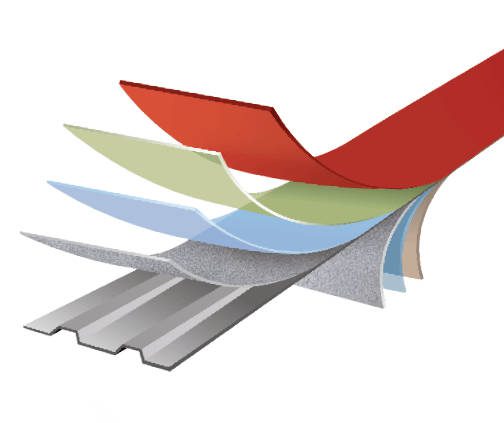
Manufacturers of quality metal roofing systems require the use of an underlayment between the metal panels and whatever substrate is beneath that.
ANALYSIS
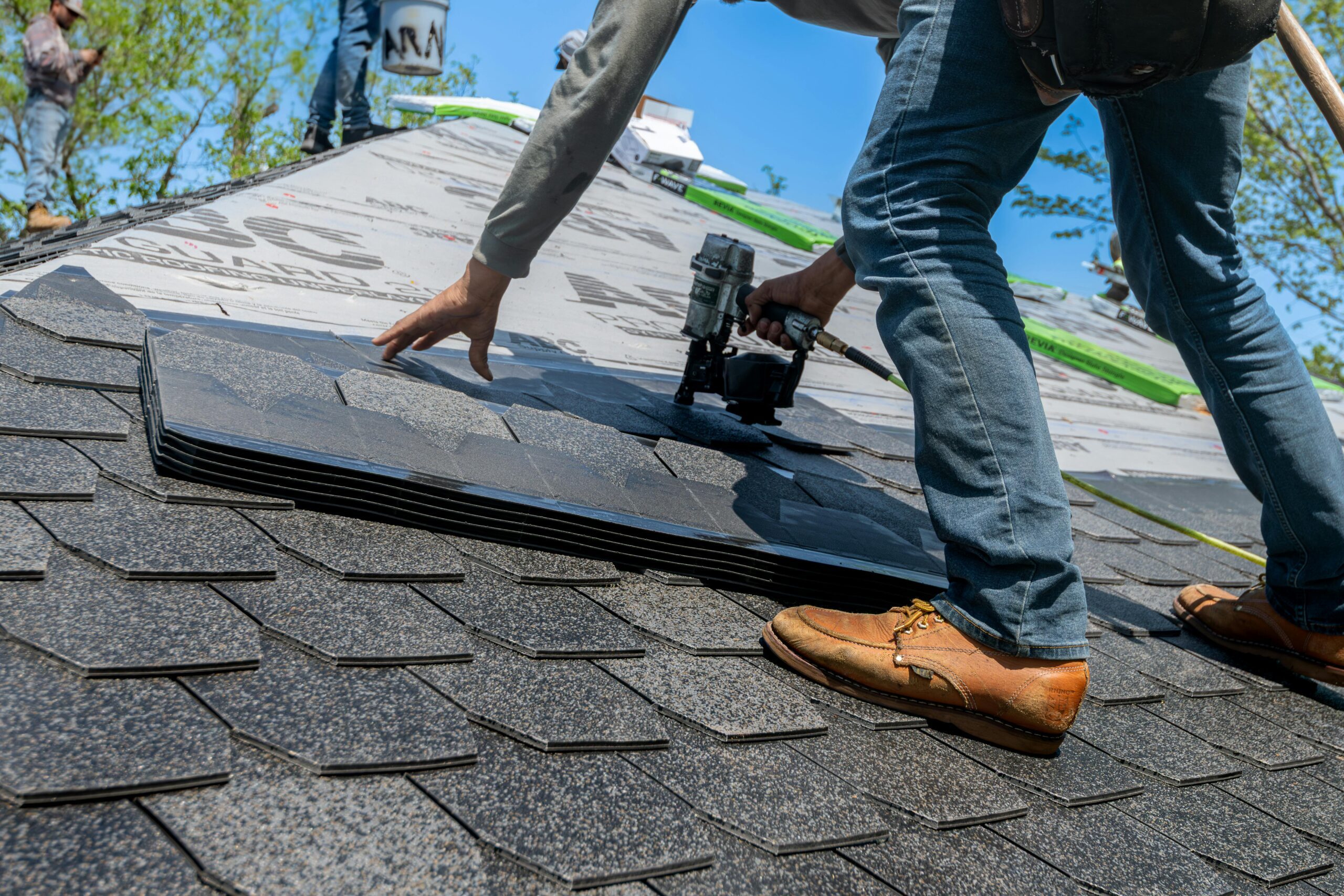
Underlayments serve several functions in the installation of a quality roof. First, they provide a more secure and safe surface for the roofing installers than old, cracking shingles or new, slippery decking. If the installation is occurring directly over decking, the underlayment also protects against water infiltration during the installation process. On applications over existing roofing, the underlayment will isolate the old roofing in a sort of “time capsule” so that it does not continue to degrade. With metal roofing, in certain weather conditions, small amounts of condensation might form on the back side of the metal. A quality underlayment will keep that condensation from entering the building or reaching the roof decking or other lumber. Finally, underlayments are an extra safeguard in the event that, perhaps during wind-driven rain situations or even during severe ice and snow situations, water gets beneath the metal roofing.
SOLUTION
A quality underlayment is just a wise part of an investment in metal roofing. With some systems and certain underlayments, the underlayment may also attain a higher fire rating . In most cases, the suggested underlayment is one layer of 30-pound felt although there are new polymer-based underlayments such as Classic Products’ SP-6000 RoofGuard underlayment available as well. In no event should a granulated-surface product be used as the roughness of the granulated surface could damage the back of the metal roofing over time. With the installation of standing seam panels and other pan or low profile products that rest primarily right on the underlayment, some sort of “slip sheet” should be used. Slip sheets are non-asphaltic products, such as red resin paper or the polymer-based underlayments, that cannot “melt” and adhere to the backside of the panels. If underlayment adheres to the backside of standing seam panels, expansion and contraction of the metal might cause the underlayment to tear, ruining its integrity.