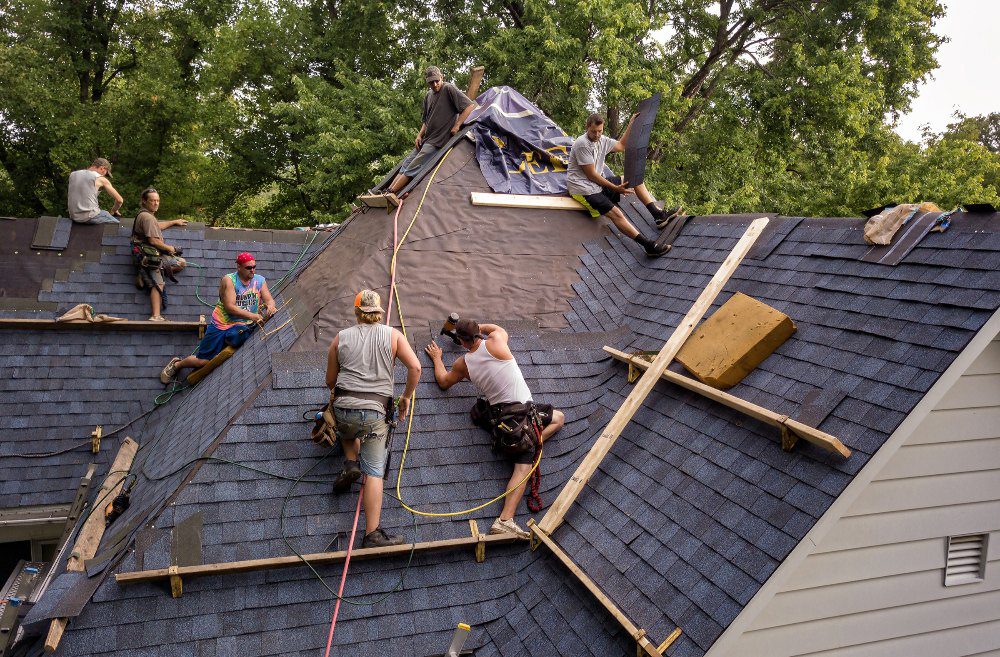
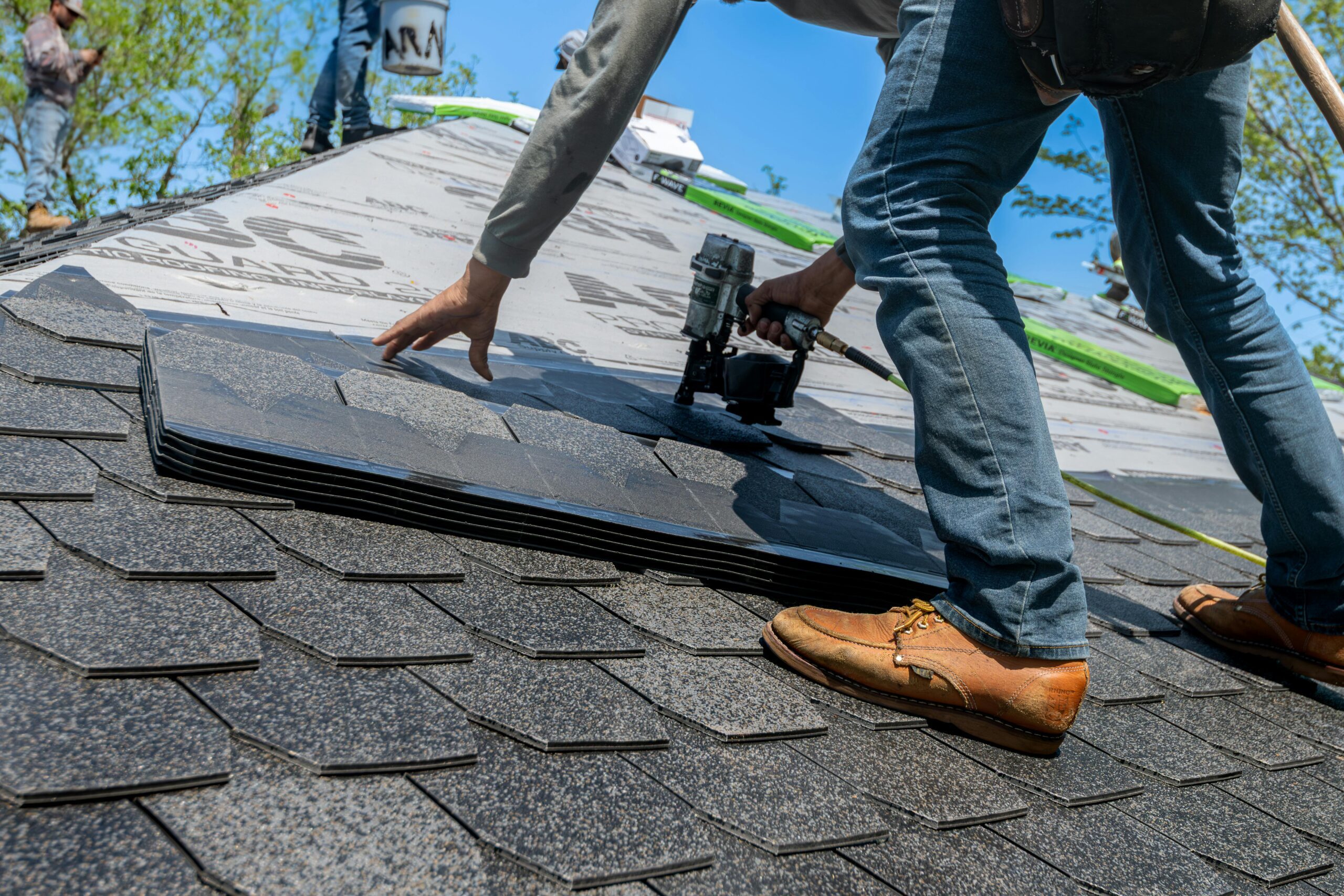
Knowing your insurance policy helps you understand if it covers roof repairs. Coverage changes based on damage type, policy details, and available options. Different policies offer various protection levels for homeowners. Professional metal roofers often work with insurance companies to help process claims properly. Homeowners insurance usually covers specific problems like fire, wind, or hail damage, while specialized roof insurance offers broader coverage.
Types of Insurance Policies
Homeowners have two main insurance types that may cover roof repairs: regular homeowners insurance and roof-specific insurance. Homeowners insurance covers roof damage from specific dangers listed in your policy, like fire, wind, or hail. You need to read your policy carefully since coverage changes based on the type of damage. Roof-specific insurance focuses only on roof damage and gives better coverage for repairs or replacement. Understanding both types helps homeowners make smart choices about protecting their roofs.
Coverage for Roofing Damage
Insurance coverage for roof damage comes in two main types: actual cash value (ACV) and replacement cost value (RCV). ACV policies pay you based on your roof’s current value minus wear and tear, while RCV policies cover the full cost of fixing or replacing your roof without taking off money for age. Check your policy to see which type you have. Most policies cover roof damage from specific problems listed in your policy, such as hail, wind, fire, or falling objects. Knowing your coverage type ensures you have enough protection.
Exclusions and Limitations
Insurance policies have specific rules about what they won’t cover for roof repairs. Common things not covered include normal wear and tear, neglect, and damage that existed before you got the policy. Some policies also limit which roofing materials they cover or specific causes of damage. Understanding these limits helps you make smart decisions about maintaining and fixing your roof. Knowing what your policy covers and what it doesn’t helps you avoid surprise costs and makes sure you have proper protection for roof damage.
Deductibles and Claims Process
Your insurance deductible is the amount you pay before insurance covers the remaining repair costs. Know your deductible amount since it affects how much you’ll pay for repairs. For the claims process, you need to document damage, contact your insurance company quickly, and follow their rules carefully. Understanding these parts helps you handle the insurance process better and makes dealing with roof repairs smoother.
Understanding Replacement Cost Value
Replacement cost value means the amount needed to replace or fix your roof with similar materials at today’s prices. It doesn’t subtract money for age or wear. Insurance companies use computer programs that look at your roofing material type, roof size, and current costs for labor and materials to figure out this value. Understanding replacement cost value matters because it affects the amount you receive for covered damage. Knowing this value helps make sure you have enough coverage to fully fix your roof if you need to file a claim.
Tips for Maximizing Insurance Coverage
Getting the most from your insurance coverage for roof repairs requires smart planning to protect yourself financially. Start by reading your policy details carefully. Understand what coverage you have for roof repairs and whether it covers full replacement or just fixes. Document any existing damage and keep your roof maintained to prevent claims being rejected for neglect. Consider adding extra coverage to your policy that specifically helps with roof repairs. Keep detailed records of maintenance, inspections, and repairs done on your roof. If damage happens, file your claim quickly with detailed photos and documentation to support your request. Following these tips helps you get the most from your insurance coverage for roof repairs.
Other Related Posts: