If your asphalt shingles are showing their age, you may be wondering whether you can install a metal roof directly over them instead of paying for a full tear-off. The short answer is yes, in many cases you can. Installing metal roofing over shingles is a well-established method that saves time and money while delivering the durability of a premium roofing system. That said, a successful roof-over depends on more than convenience. Your roof structure has to be sound, your local building codes have to allow it, and the installation has to be done correctly to protect against moisture, ventilation, and warranty issues. This guide walks you through how the process works, when it makes sense, and what to watch for before you commit.
Understanding Metal Roofing Installation Over Shingles
Installing metal roofing over shingles, often called an overlay or a roof-over, means placing a new metal roofing system on top of your existing asphalt shingle layer rather than removing the old material first. Instead of stripping the roof down to the bare decking, your contractor prepares the existing surface and builds the new system directly above it.
The metal panels are not simply laid on top of the shingles. A proper overlay includes a layer of underlayment for moisture protection, and in many cases a framework of furring strips that creates a flat, ventilated base for the panels. This approach is common in residential roofing because it skips the most labor-intensive and costly part of a re-roof, which is tearing off and disposing of the old material. When the existing roof is structurally sound and local codes permit a second layer, an overlay can be an efficient way to upgrade to a long-lasting metal roof.
Can You Put a Metal Roof Over Your Old Roof? Pros and Cons
In most cases, you can put a metal roof over an existing shingle roof, but feasibility depends on the condition of your current roof and the rules in your area. A roof-over works best when the existing shingles are reasonably flat, the decking underneath is solid, and your local building code allows more than one roofing layer. It becomes a poor choice when there is hidden water damage, significant rot, or when codes require a tear-off. Before you decide, it helps to weigh the benefits against the limitations.
Advantages
Cost Savings
One of the biggest reasons homeowners choose an overlay is the savings. Removing old shingles is labor-intensive, and the torn-off material has to be hauled away and dumped, which adds disposal and landfill fees to the project. By keeping the existing shingles in place, you eliminate that tear-off labor and waste removal entirely. For many homeowners, this makes a metal roof a more affordable upgrade than they expected.
Faster Installation
Skipping the tear-off does not just save money, it also shortens the timeline. Removing and disposing of old shingles can take a full day or more on its own. When that step is removed, the crew can move straight to preparing the surface and installing panels. A faster project means less disruption to your household and a shorter window in which your roof is exposed to the weather.
Added Insulation
Leaving the old shingles in place creates an extra layer between the metal roof and your home. This added material can contribute a modest amount of thermal buffering and help dampen the sound of rain or hail. The effect is practical rather than dramatic, so it is best viewed as a small bonus rather than a primary reason to choose an overlay.
Less Mess
A tear-off generates a significant amount of debris, dust, and loose granules around your property. Avoiding that step keeps your yard, landscaping, and driveway much cleaner during the project. With less cleanup required and fewer materials moving on and off the site, an overlay tends to be a tidier and less disruptive experience overall.
Disadvantages
Concealed Issues
The most important drawback of an overlay is what it can hide. If your existing roof has rot, moisture damage, or mold, covering it with metal does not fix the problem, it simply seals it out of sight. Over time, concealed damage can spread and compromise the structure beneath your new roof. Any known issues should be repaired before an overlay is considered.
Uneven Surface
Asphalt shingles do not always create a perfectly flat surface. Curled edges, raised tabs, and worn areas can leave the base uneven, which affects how well the metal panels align and fasten. An irregular surface can lead to a less polished finish and weaker fastening points. In many cases, additional preparation or a furring strip system is needed to create a level base.
Potential Code Violations
Building codes in many areas limit the number of roofing layers a home can have, often to two. If your roof already has more than one layer, or if your local code requires a tear-off, an overlay may not be permitted at all. Some jurisdictions also have specific requirements for how an overlay must be installed. Verifying compliance before the project begins is essential to avoid failed inspections and costly rework.
No Opportunity for Deck Inspection
When the shingles stay in place, the roof decking underneath remains hidden from view. That means a contractor cannot directly inspect the sheathing for soft spots, water staining, or structural weakness. Because the decking is the foundation that everything else relies on, losing the chance to inspect it is a meaningful limitation that can affect the long-term reliability of the roof.
Critical Pre-Installation Checks
A metal roof overlay is only as good as the preparation behind it. Before any materials go on, your roof needs to be evaluated to confirm that an overlay is safe, compliant, and built to last. Think of this stage as a risk-control phase. Skipping it is the most common reason roof-over projects run into trouble later.
Check Local Building Codes
Start by confirming what your local building codes allow. Many jurisdictions cap the number of roofing layers on a home and require permits and inspections for re-roofing work. Some have additional rules specific to metal-over-shingle installations. Code compliance is not optional, and proceeding without it can lead to legal issues, failed inspections, and project delays. A licensed local contractor will know the requirements in your area and can pull the proper permits.
Inspect the Roof Decking
Even though an overlay leaves the decking covered, its condition still matters. Before you commit to a roof-over, the structural integrity of the decking should be assessed for rot, sagging, water damage, or weakened sheathing. If problems are found, they need to be repaired before any overlay work proceeds. Installing a new roof over compromised decking only postpones a larger and more expensive repair.
Assess the Condition of the Shingles
The existing shingles also need a close look. They should be evaluated for wear, adhesion, and overall stability. Shingles that are severely curled, brittle, or loose make a poor base for metal panels and can undermine the quality of the installation. If the shingle layer is in rough shape, removal may be the better choice even though it adds cost. A professional assessment will tell you whether your shingles can support an overlay or whether a tear-off is the smarter path.
How to Install Metal Roofing Over Shingles: Key Methods
There are two main ways to install metal roofing over shingles. The right choice depends on the condition of your roof, your budget, and the level of ventilation you want. The first method uses a batten system to create a level, ventilated base, while the second attaches the panels more directly. Here is how each one works.
Method 1: Installing a Batten System (Furring Strips)
The batten system is the more structured and commonly recommended approach. It uses wooden or metal furring strips installed over the existing shingles to create a level, ventilated base for the metal panels. Because it corrects for the uneven surface of old shingles and builds in airflow, this method tends to deliver better long-term performance and a cleaner finished look.
Install Underlayment
The process begins with a protective underlayment laid over the existing shingles. This layer acts as a moisture barrier and helps prevent condensation from forming between the old and new roofing materials. Proper underlayment is a key defense against trapped moisture, so it should be installed carefully and with adequate overlap.
Attach Furring Strips
Next, furring strips are fastened over the underlayment, either vertically or horizontally, to create a flat and stable framework for the metal panels. Correct spacing and secure fastening are critical at this stage. The strips need to be anchored into the roof structure so the finished system has the structural integrity and alignment it needs.
Provide Ventilation
One of the biggest advantages of the batten system is the airflow it creates. The space between the furring strips lets air move between the metal roof and the shingles underneath. This ventilation helps reduce heat buildup in the attic and minimizes the moisture-related problems that can shorten a roof’s lifespan.
Attach the Metal Panels
With the framework in place, the metal panels are secured onto the battens. Proper alignment, a consistent fastening pattern, and careful sealing are essential here. Done correctly, this final step locks in the weather resistance and durability that make metal roofing such a long-lasting choice.
Method 2: Direct Attachment to the Roof Deck
The second method attaches the metal panels more directly, over a layer of underlayment installed on the existing roof. It is faster than the batten system, but it is also more condition-dependent. This approach requires a sound, even roof surface, and it is not the right fit for every home.
Lay the Underlayment
As with the batten method, the process starts with a high-quality underlayment installed directly over the shingles to serve as a moisture barrier. Correct overlap and secure placement are important, since this layer is a primary line of defense against water infiltration once the panels are on.
Fasten the Panels
The metal panels are then attached through the underlayment and into the roof structure. Precise fastening, proper spacing, and a surface that is flat enough to avoid distortion are all critical. Because there is no furring strip framework to correct for unevenness, any irregularity in the shingle layer can lead to panel distortion or leaks. This makes a smooth, stable base especially important for direct attachment.
Common Problems with Installing Metal Roofs Over Shingles
When a roof-over is planned and installed correctly, it can perform well for decades. Problems usually arise when the preparation is rushed or the wrong method is used for the roof’s condition. Knowing the most common issues helps you ask the right questions and choose a contractor who will avoid them.
Poor Ventilation and Trapped Moisture
Layering metal over shingles can restrict airflow beneath the roofing system if ventilation is not built in. When air cannot move freely, condensation can collect between the layers. Over time, that trapped moisture can lead to wood damage, mold growth, and a shorter overall roof lifespan. Proper ventilation, such as the airflow created by a batten system, is the main safeguard against this.
Rust and Corrosion Risks
Trapped moisture does not only threaten the wood, it can also affect the metal itself. Limited airflow and standing condensation can accelerate corrosion. Even high-quality coated metals can degrade earlier than expected if moisture is allowed to build up within the system. Managing moisture through good underlayment and ventilation is essential to protecting the panels.
Excessive Weight Load on the Roof Structure
Adding a new metal roof on top of existing shingles increases the total load on your home’s structure. Metal roofing is relatively lightweight, but the combined weight of both layers still needs to be supported safely. The roof framing should be confirmed capable of carrying the additional load to avoid sagging, structural stress, or, in the worst case, failure.
Voiding Manufacturer Warranties
Many metal roofing manufacturers set specific conditions for installation, including requirements for the substrate the panels are installed on. If those guidelines are not followed, the manufacturer may void the product warranty. Before you commit to an overlay, the product specifications should be reviewed to confirm that installing over shingles will not compromise your coverage.
Insurance and Coverage Challenges
An improper or non-compliant roof installation can also create problems with homeowners insurance. Insurers may ask for proof that the roof was installed correctly and in line with local code. Because overlay installations can sometimes complicate coverage depending on regional regulations, it is worth confirming that your project will not affect your eligibility or future claims.
What Kind of Metal Roof Can Be Used?
Several metal roofing materials can be used for an overlay, each with its own balance of cost, durability, and appearance. Understanding the options helps you choose a material that fits both your home and your budget.
Aluminum
Aluminum is a lightweight, corrosion-resistant option that performs especially well in humid or coastal environments. It does not rust and requires very little maintenance, which makes it a popular choice for long-term durability. The trade-off is that aluminum is a softer metal and can be more prone to denting than some alternatives. Classic Metal Roofs offers aluminum shingles in styles that pair this resilience with a refined look.
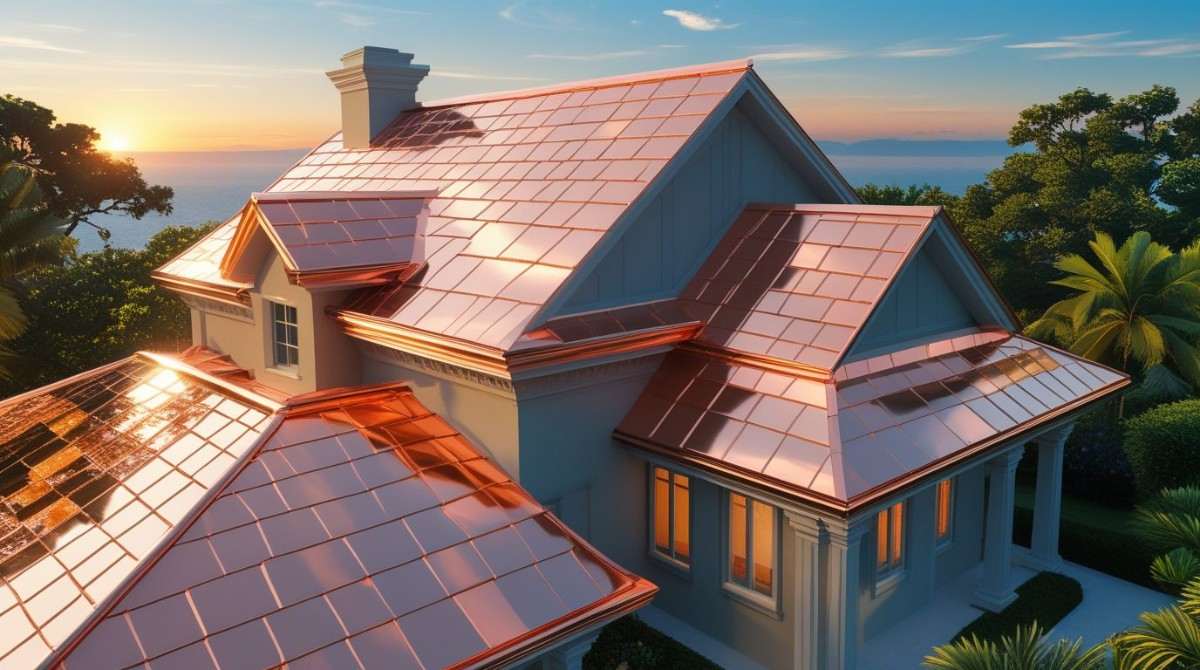
Copper
Copper is a premium, high-end roofing material prized for its exceptional longevity and the distinctive patina it develops over time. It is highly durable and visually striking, which makes it a standout choice for homeowners who want a roof with character. Copper roofing does come at a significantly higher cost and requires specialized installation, so it is best suited to projects where its appearance and lifespan justify the investment.
Zinc
Zinc is a durable, long-lasting material with a notable self-healing quality, meaning minor scratches can blend back into the protective patina over time. It offers a long lifespan and strong sustainability credentials. Zinc roofing is less common than other options largely because of its higher material and installation costs, but it remains an excellent choice for homeowners focused on longevity and environmental performance.
Steel
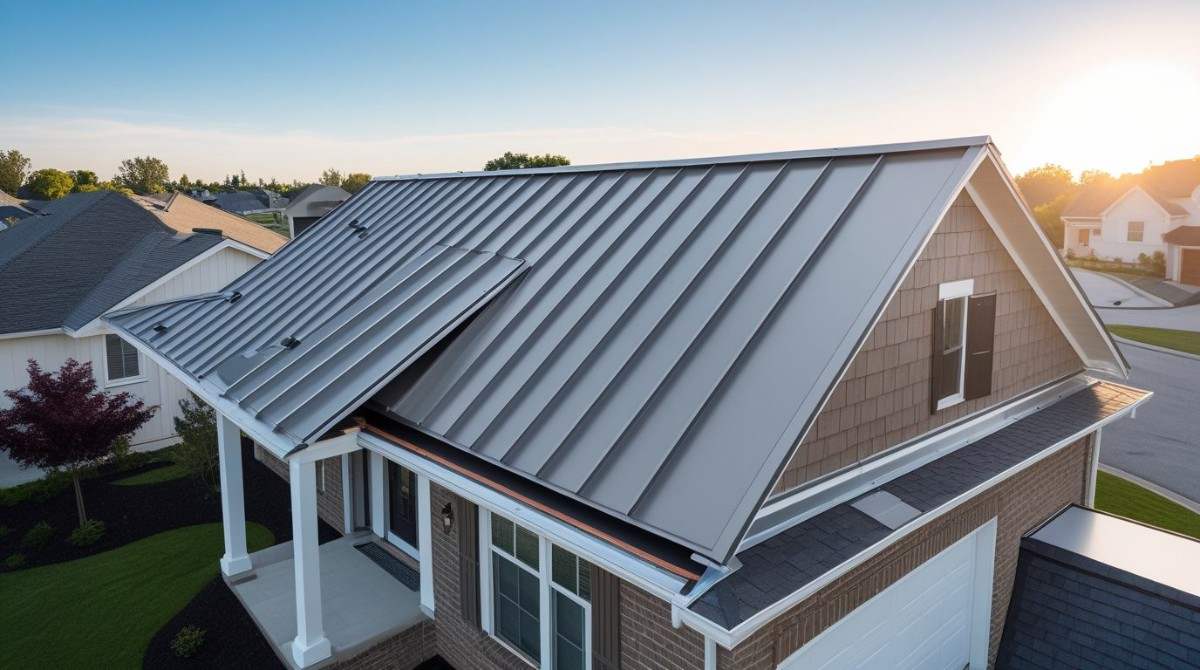
Steel is the most widely used metal roofing material thanks to its strength, affordability, and versatility. To resist corrosion, steel panels rely on protective coatings such as galvanized or galvalume finishes, which are essential for standing up to changing weather conditions. For many homeowners, steel offers the best overall balance of performance and value, and it is available in options like standing seam metal roofing.
Cost Considerations When Installing a Metal Roof Over Shingles
The total cost of a metal roof overlay depends on several factors, and pricing can vary widely from one project to the next. Skipping the tear-off does reduce upfront expenses, since you avoid the labor and disposal costs of removing old shingles. Beyond that savings, the main cost drivers include the metal you choose, with steel generally being the most affordable and copper the most expensive, along with the size and complexity of your roof. Steep pitches, multiple valleys, dormers, and other architectural details all add labor. Whether your project uses a batten system or direct attachment also affects the price, since furring strips add materials and time. Finally, your location and local labor rates play a role.
Because of these variables, the most reliable way to understand your cost is a detailed estimate based on your specific roof. You can learn more about the full range of options on the Classic Metal Roofs services page.
Benefits of Hiring a Local Roofing Contractor
A metal roof-over is a significant project, and the contractor you choose has a direct impact on the result. Hiring a local roofing professional brings trust, accountability, and regional expertise to the job. Local contractors understand the climate conditions, building standards, and installation practices that affect roof performance in your area, which makes them well suited to a roof-over project.
Local Building Code Compliance
Local roofing contractors are familiar with the building codes and permitting requirements that apply to roof-over installations in your area. That knowledge helps ensure your project is legally compliant, passes inspections without surprises, and avoids the delays or penalties that come with code violations.
Warranty and Workmanship Protection
Hiring a licensed local contractor usually means your project is backed by a workmanship warranty in addition to the manufacturer’s product warranty. This dual protection gives you long-term peace of mind and a clear path to recourse if an installation issue ever arises.
Faster and Safer Installation
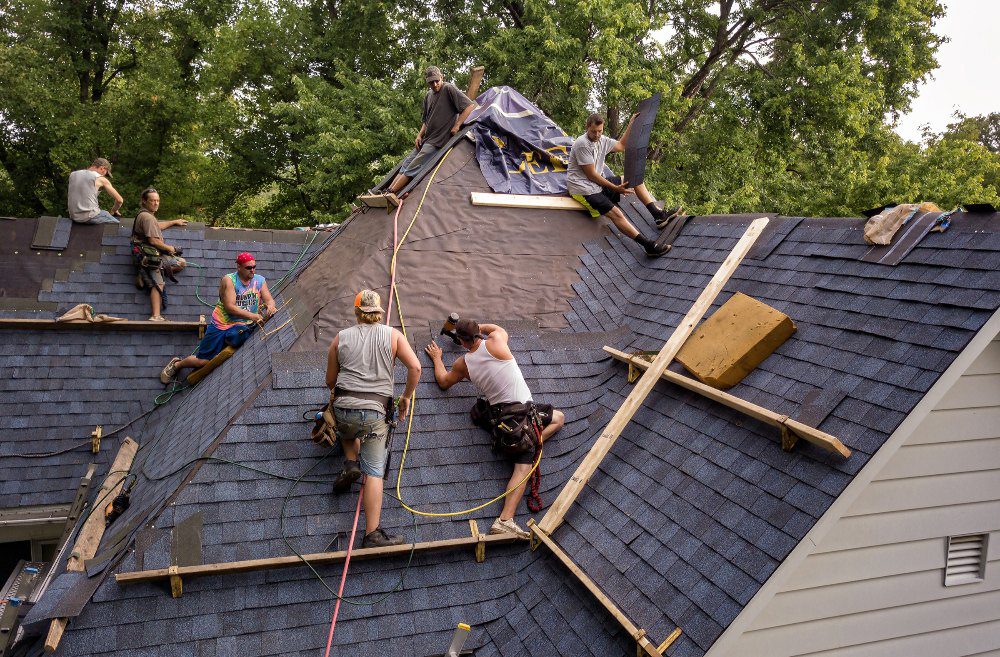
Experienced local crews complete roof-over projects more efficiently because they have the specialized tools, trained workers, and established processes to do the job well. That experience also translates into stronger safety compliance, a lower risk of on-site accidents, and less disruption to your daily routine while the work is underway.
Frequently Asked Questions
Can any type of roofing be used for a roof-over?
No, not every roofing system is suited to a roof-over. Whether an overlay is possible depends on the condition of the existing roof, its structural capacity, and local code requirements. Metal roofing over asphalt shingles is one of the most common and widely approved roof-over methods, but only when the roof has been properly evaluated first.
Can a metal roof-over match the look of asphalt shingles?
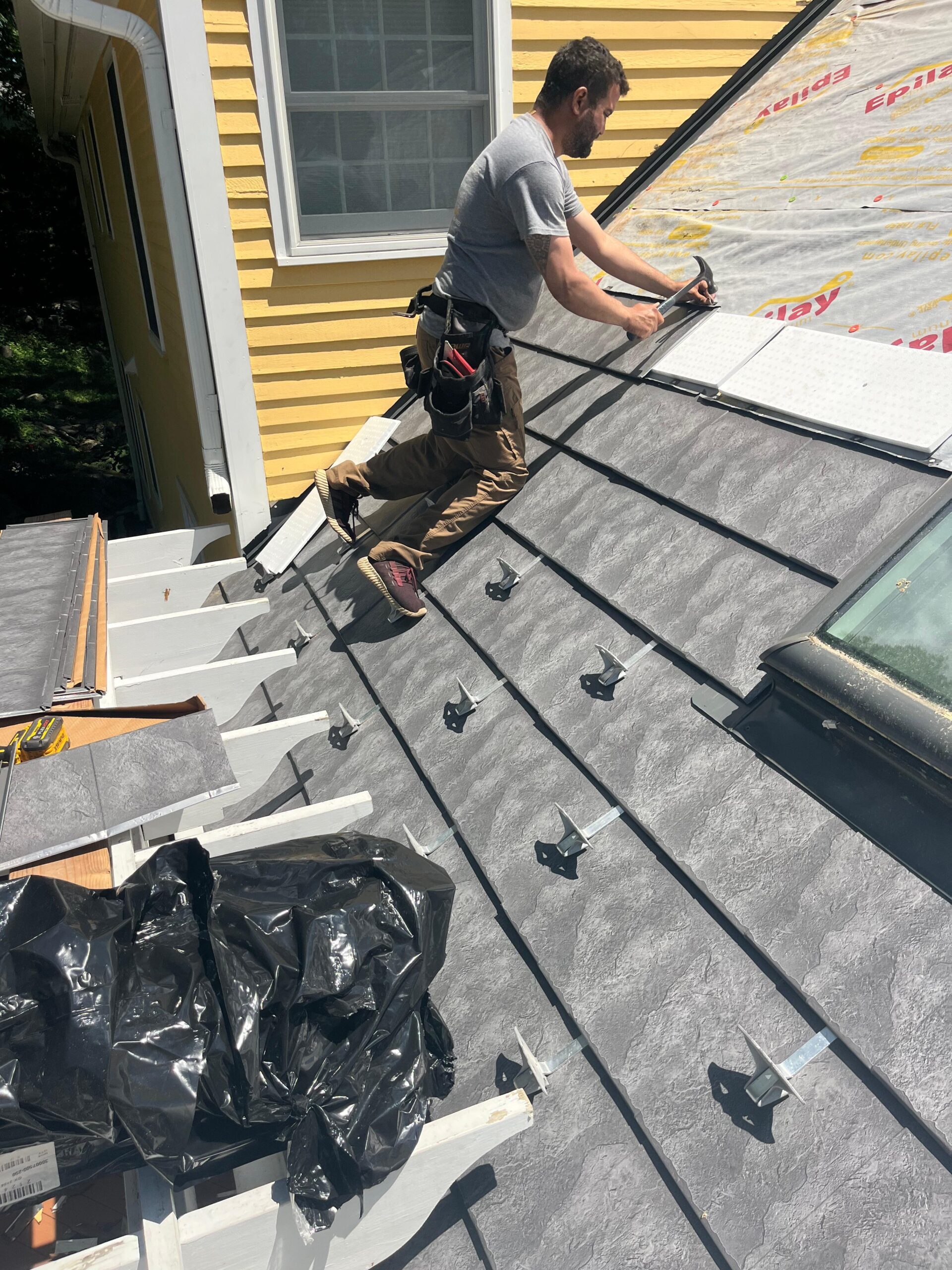
Yes. Certain metal roofing systems, such as stone-coated steel, are designed to replicate the appearance of traditional asphalt shingles. With these options, you can keep a familiar look while gaining the durability and longevity of a metal roof.
What’s the best time of year to schedule a roof-over?
Mild, dry weather is ideal for a roof-over, since it allows for proper sealing and safer working conditions. The best timing varies by region, but in many climates spring and fall are the preferred seasons for this kind of project.
How can I ensure my roof-over is done correctly and that my roof can support it?
The best way to ensure a successful roof-over is to start with a professional roof inspection before any work begins. A qualified contractor can assess your roof’s structure, confirm its load-bearing capacity, verify code compliance, and determine whether an overlay is the right choice for your home.
Final Thoughts: Is Metal Roofing Over Shingles Worth It?
Installing metal roofing over shingles can be a smart, cost-effective way to upgrade your roof. It saves money by eliminating tear-off labor and disposal, shortens the project timeline, and gives you the durability of a long-lasting metal roofing system. At the same time, it is not a universal solution. Concealed damage, an uneven surface, code restrictions, and the inability to inspect the decking are real considerations that can make a roof-over the wrong choice for some homes. In those cases, a full roof replacement may be the better long-term investment. The right decision depends entirely on the condition of your existing roof and the rules in your area. Because of that, the safest path is to have a qualified roofing contractor such as Classic Metal Roofs evaluate your home and confirm whether a roof-over is suitable for your specific situation.
Get a Professional Metal Roofing Estimate
Ready to find out if a metal roof over shingles is right for your home? The only way to know for certain is with a professional inspection and a customized estimate based on your specific roof. The team at Classic Metal Roofs can evaluate your existing roof, walk you through your options, and provide clear, accurate pricing with no guesswork. Schedule your free consultation today, or contact Classic Metal Roofs to get started on a roof built to last.