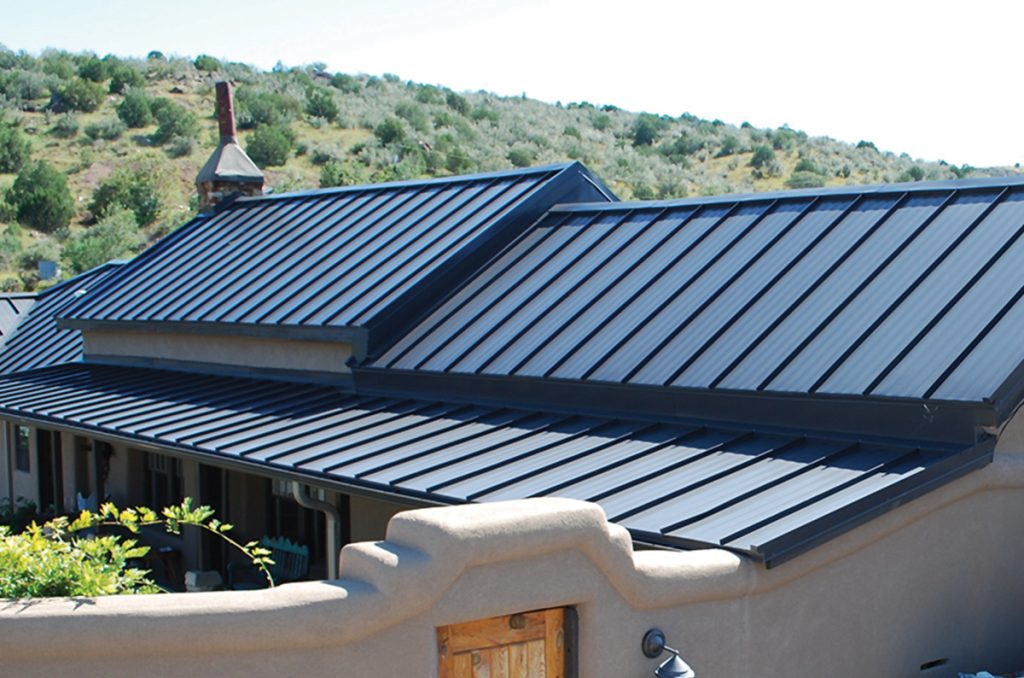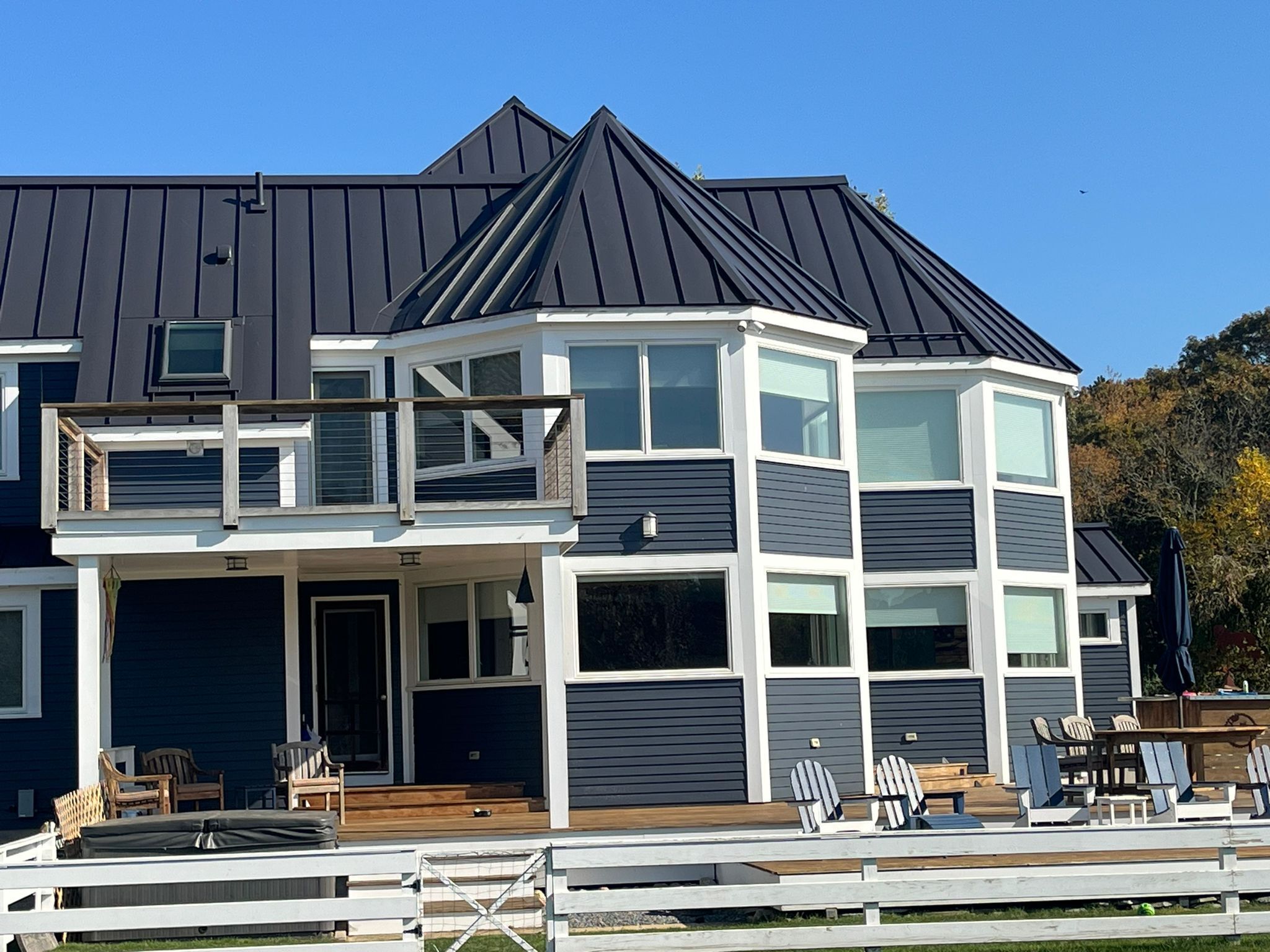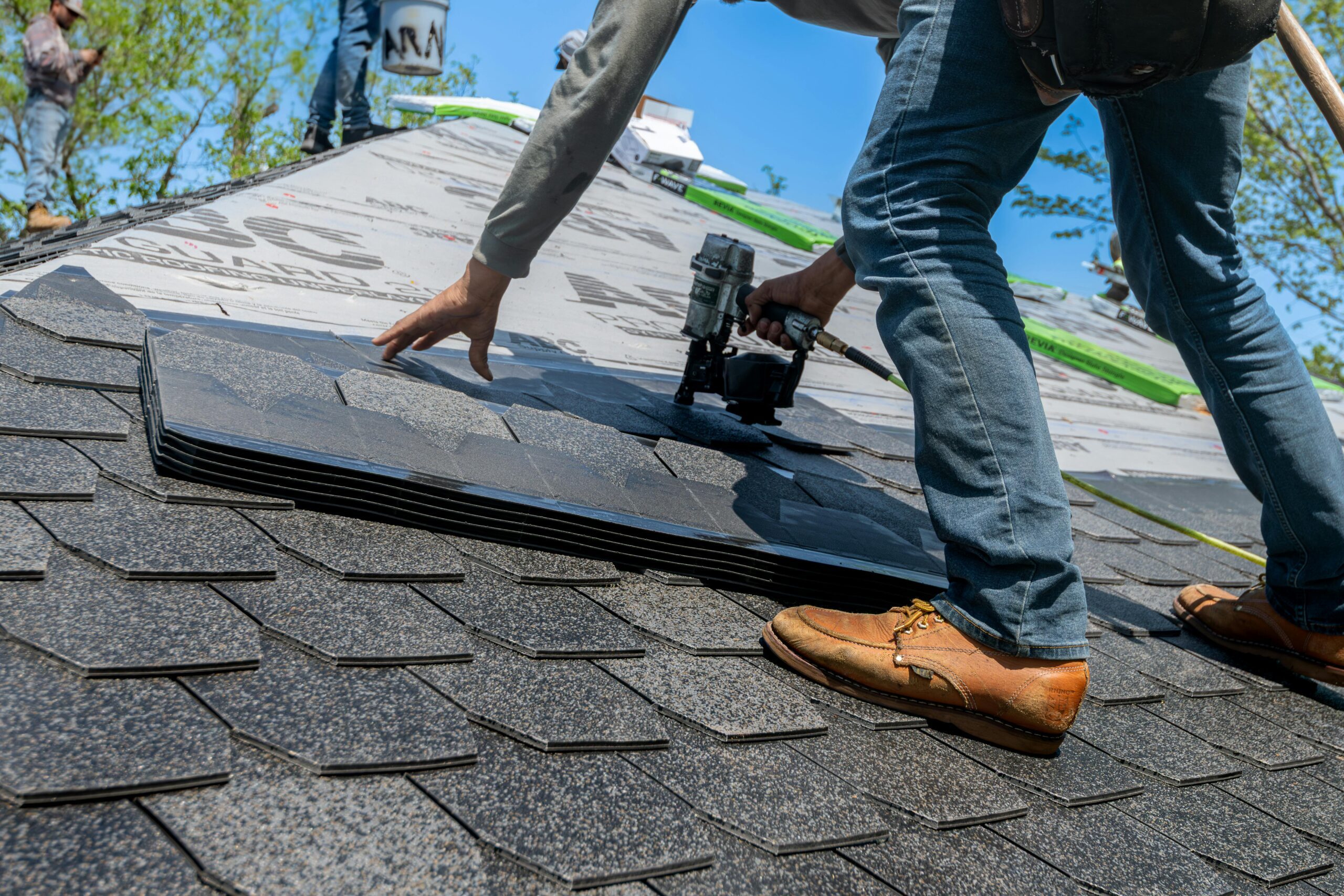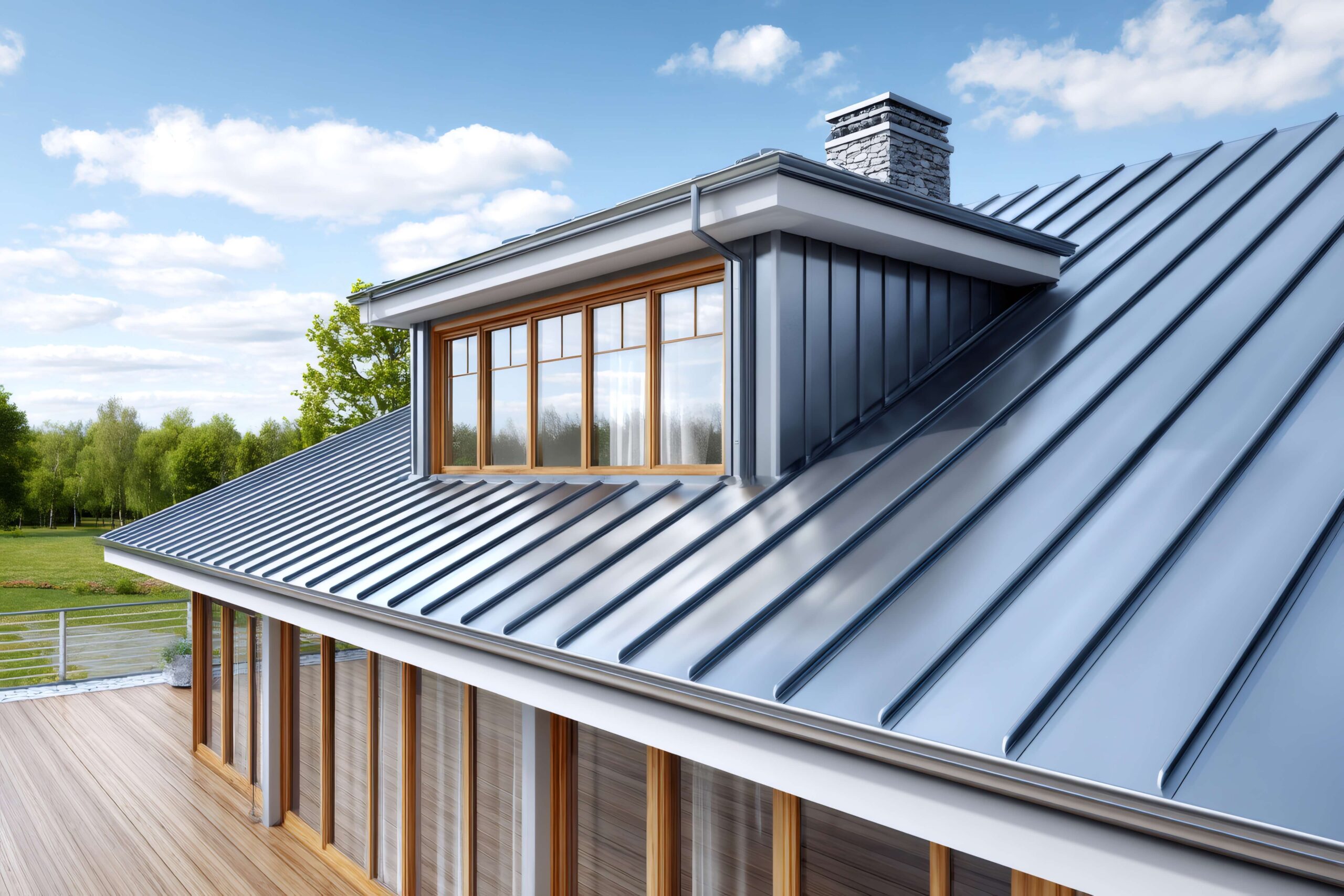
Choosing a new roof is one of the biggest decisions a homeowner will make, and for good reason. Your roof protects everything underneath it, shapes your home’s curb appeal, and has a direct effect on your energy bills through every New England winter and summer. That is why so many property owners are turning to metal. It offers decades of durability, strong energy efficiency, and dependable protection against wind, snow, ice, and driving rain.
Here is the part many homeowners overlook: the material is only half of the equation. Even the highest quality panels can fail early if they are put on incorrectly. Following proven metal roofing installation best practices is what turns a good product into a roof that performs for 40 to 70 years, keeps water out, holds up under harsh weather, and keeps your manufacturer warranty fully intact. This guide walks you through the entire process, the tools and skills involved, the best practices that matter most, the mistakes to avoid, and the questions homeowners ask before they invest.
Why Proper Metal Roofing Installation Matters
Proper installation is the single biggest factor in how long your roof lasts and how well it performs. When panels are aligned correctly, fastened with the right hardware, and sealed at every seam and penetration, the system works as one continuous barrier against the elements. When any of those steps is rushed or done wrong, the results show up quickly and expensively.
Poor workmanship leads to leaks, loose panels, premature corrosion, and reduced energy efficiency. It can also void the manufacturer warranty, leaving you to pay for repairs that should have been covered. A metal roof is engineered to move with temperature swings, shed water at the seams, and resist wind uplift, but it can only do those things when it is installed to specification.
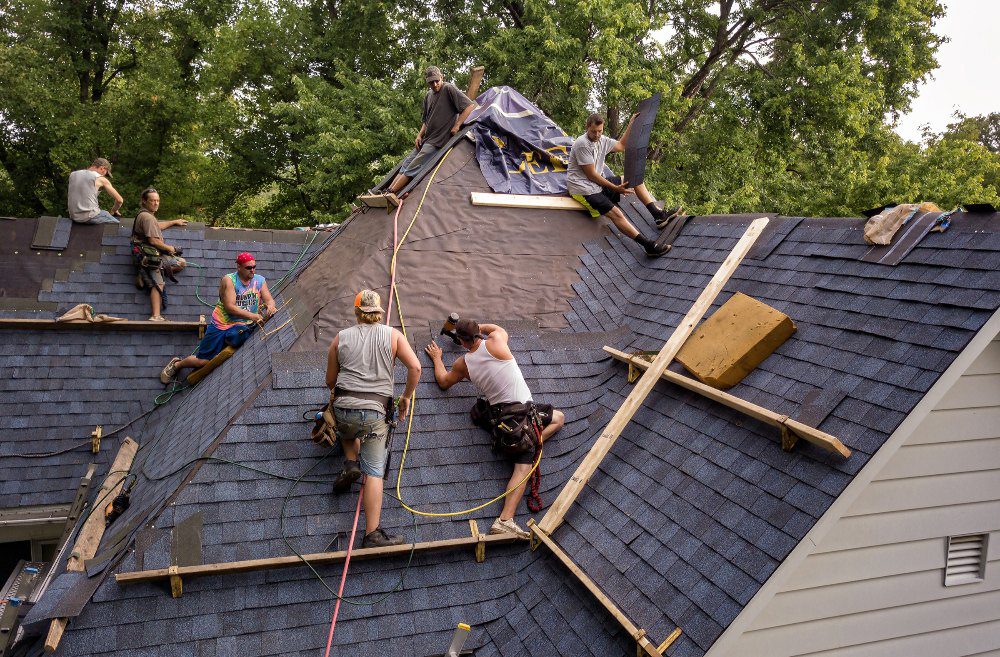
This is why hiring experienced professionals is so important. A skilled crew understands how each component works together and knows how to adapt to the realities of your specific roof. The investment you make in quality metal roofing installation services protects the much larger investment you are making in the roof itself.
Understanding the Metal Roofing Installation Process
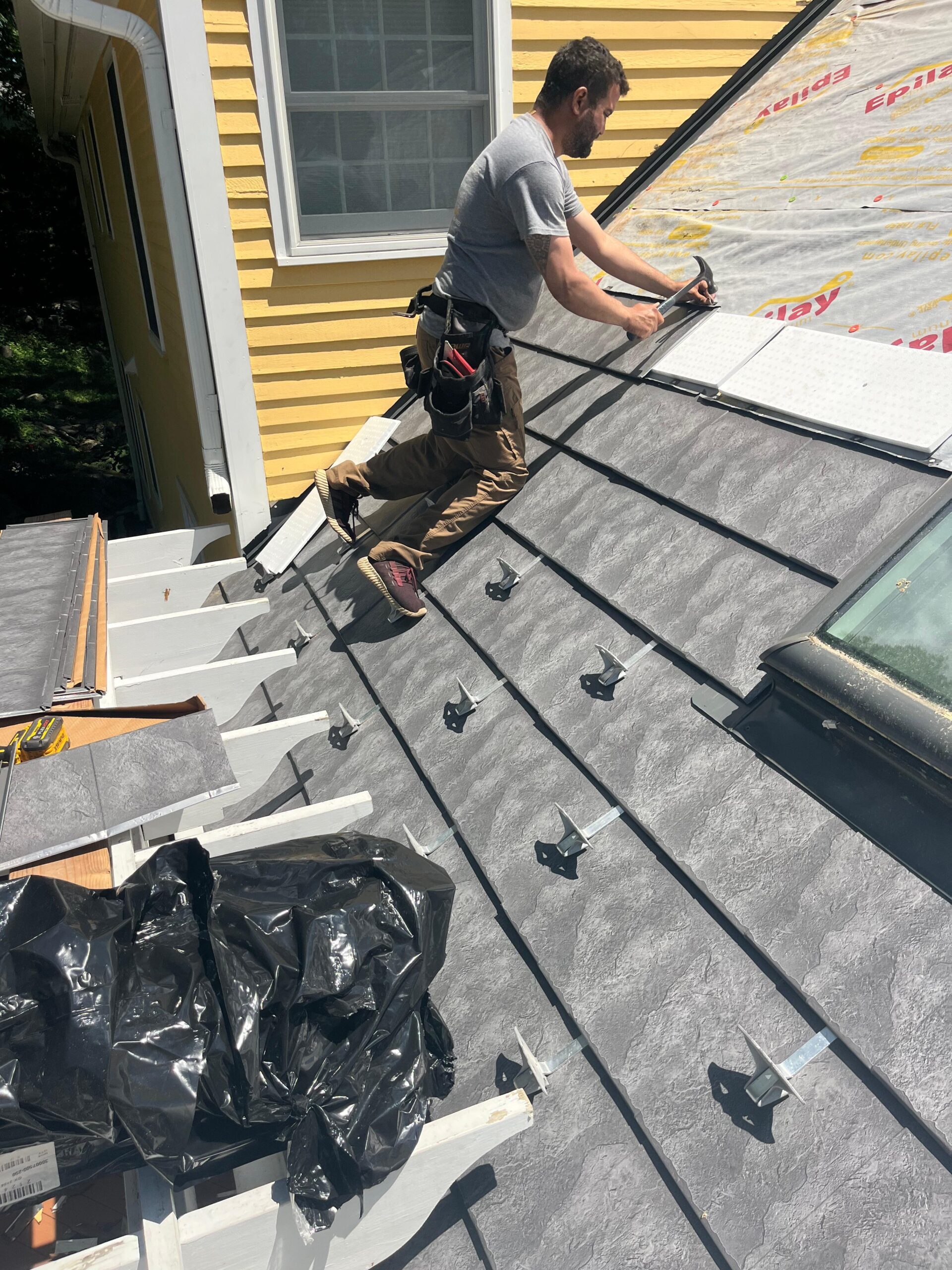
Knowing what to expect makes the entire project less stressful. A professional metal roofing installation follows a clear sequence from the first inspection to the final walkthrough. Understanding each stage helps you ask better questions, spot quality work, and feel confident that your contractor is doing things the right way.
Roof Inspection and Planning
Every successful project starts with a thorough assessment. Your contractor evaluates the existing roof structure, takes accurate measurements, checks the roof pitch, and looks for signs of rot, sagging, or structural weakness that need attention before any panels go on.
This planning stage matters more than most homeowners realize. Precise measurements determine how many panels and how much trim are required, while the roof pitch influences panel choice and underlayment strategy. Careful planning up front prevents mid project delays, reduces surprise costs, and ensures the finished system is designed for how your home actually sheds water and handles snow load.
Material Selection
Once the roof is measured and evaluated, the next step is choosing the right materials. Homeowners have real options here, and each choice affects the outcome. Key considerations include panel style, such as standing seam or exposed fastener profiles, the metal type, whether steel, aluminum, or copper, the gauge or thickness of the metal, the protective coating, and the color.
These decisions influence far more than looks. The right combination determines how well your roof resists corrosion, how much heat it reflects, how little maintenance it needs, and how it complements your home’s architecture. A knowledgeable contractor helps you weigh durability, energy efficiency, and budget so the material fits both your home and your climate.
Preparing the Roof Deck
A metal roof is only as reliable as the surface beneath it. Deck preparation involves removing damaged materials, repairing or replacing any deteriorated decking, installing a quality underlayment, and confirming the roof has proper ventilation.
This foundation work is not glamorous, but it is critical. A clean, solid, level deck gives fasteners something dependable to grip and keeps panels lying flat. The underlayment adds a secondary moisture barrier, and correct ventilation keeps heat and humidity from building up underneath. Skipping or shortcutting this stage undermines everything installed on top of it, which is why professionals treat proper installation of metal roofing as a start to finish discipline rather than a panel by panel task.
Essential Equipment for Metal Roofing Installation
Quality results depend on the right tools in trained hands. Metal roofing behaves differently from shingles, and it requires equipment built for precision, clean cuts, and secure fastening. Here is the core equipment a professional crew relies on.
Measuring and Layout Tools
Straight, evenly spaced panels start with accurate layout. Crews use measuring tapes, chalk lines, framing squares, and laser levels to mark reference lines and confirm that panels run true from ridge to eave. Even a small drift in alignment early on becomes a visible, water risking problem across a full roof, so careful layout keeps every panel square and consistent.
Cutting Tools
Metal panels need clean, accurate cuts to fit around edges, valleys, and penetrations without leaving jagged edges that invite rust. Installers use aviation snips for detail work, electric shears and nibblers for longer runs, and specialized saw blades when the job calls for them. The goal is always a smooth cut that protects the panel’s coating and finished appearance.
Fastening Tools
Fasteners hold the entire system in place, and they must be set with the correct pressure. Professionals rely on impact drivers, screw guns, and torque controlled fastening tools to seat each screw to the right depth. Consistent fastening keeps washers sealed and panels secure without overdriving, which is one of the most common ways installations go wrong.
Safety Equipment
Working on a roof is high risk work, and safety gear is not optional. A responsible crew uses fall protection systems and personal protective equipment, including safety harnesses, roof anchors, non slip footwear, gloves, hard hats, and eye protection. Proper safety practices protect the installers performing your roofing metal installation and reflect the professionalism of the company you hired.
Personnel Requirements for Professional Installation
Tools and materials still depend on the people using them. Metal roofing rewards experience, precision, and problem solving, so the crew on your roof matters as much as anything they carry up the ladder.
Skills Every Metal Roofing Installer Should Have
A capable metal roofing installer brings a specific set of technical skills to the job. These include accurate measuring and layout, precise panel alignment, correct flashing installation, proper fastening technique, dependable waterproofing at seams and penetrations, and the ability to solve problems as they appear on the roof. Each of these skills feeds directly into whether the finished roof stays watertight for decades.
Why Experience Matters
Experience is what separates a clean, lasting installation from one that leads to callbacks. Seasoned installers anticipate challenges before they become issues, adapt to unusual roof shapes and pitches, and avoid the small mistakes that cause leaks or early failure. Choosing a qualified contractor protects your investment through better craftsmanship, full building code compliance, and the reliable warranty coverage that comes with work done correctly.
Specialized Metal Roofing Installation Tools
Beyond the everyday kit, certain projects call for specialized equipment, particularly standing seam systems. These tools create the tight, weather resistant seams that give metal roofing much of its strength.
Hand Crimper
A hand crimper is used to bend, shape, and lock metal panels together during installation. It gives installers the control to create tight seams, make precise field adjustments, and achieve a clean, professional fit around roof edges, corners, and flashing details. For the small, exacting adjustments that a roof always demands, a hand crimper is an essential part of the toolkit.
Electric Metal Roof Installation Tools
Electric tools bring speed and consistency to larger projects. Powered seamers, electric shears, metal nibblers, and automated fastening systems help crews work faster while holding tight tolerances. On a full roof, that consistency translates into straighter seams, uniform fastening, and a finished surface that looks and performs the same from one end to the other.
Mechanical Seaming Machines
Mechanical seaming machines take standing seam quality a step further. These machines travel along the seam and fold adjoining panels together into a uniform, weather tight lock. Compared with manual seaming, they deliver more consistent seams, stronger panel connections, and faster installation, along with better protection against wind driven rain and extreme weather. For homes that face heavy New England storms, that added reliability is a meaningful advantage.
Best Practices for Home Metal Roofing Installation
Great results come from doing the fundamentals well, every time. These best practices for home metal roofing installation are the habits professional crews follow to deliver a roof that lasts.
Choose the Right Materials
Start by matching the material to your home and climate. The right panel profile, metal type, gauge, and coating give you the durability, energy efficiency, and appearance you want while keeping maintenance low. Quality materials chosen with intention set the ceiling for how well the finished roof can perform.
Proper Measurements and Planning
Measure carefully, then plan the layout before the first panel is set. Accurate measurements and a clear installation plan reduce waste, prevent misaligned panels, and keep the project on schedule. Good planning is quiet work that pays off across the entire roof.
Install a Moisture Barrier
A high quality underlayment acts as a second line of defense beneath the panels. It guards against condensation and any moisture that finds its way past the surface, which is especially important in a region with freeze and thaw cycles. A properly installed moisture barrier is cheap insurance for the structure below.
Use the Right Fasteners and Clips
Fasteners and clips must match the roofing system and be installed to specification. The correct hardware, set at the correct spacing and depth, keeps panels secure while still allowing the metal to expand and contract. Using the wrong fasteners or setting them incorrectly is a leading cause of leaks and loosening over time.
Safety First
Professional installation always puts safety first. A crew that uses proper fall protection and follows safe work practices protects its people and completes the job with the focus that quality demands. Safety and craftsmanship tend to go hand in hand.
Inspect and Maintain
The work is not finished at the last screw. A final inspection confirms every seam, flashing, and fastener is correct, and simple routine maintenance keeps the roof performing for the long haul. Periodic checks catch minor issues while they are still minor, protecting both the roof and your warranty.
Common Metal Roofing Installation Mistakes
Knowing what can go wrong helps you recognize quality work and ask the right questions. These are the most common metal roofing installation mistakes, and each one is avoidable with an experienced crew.
Overdriven Screws
Driving screws too tightly crushes the rubber washer and can deform the panel around the fastener. Both problems break the seal that keeps water out, creating entry points for leaks. Correctly seated screws sit snug, not crushed.
Improper Fastener Spacing
Placing fasteners too far apart, too close together, or in the wrong location weakens the roof’s ability to handle wind uplift, thermal movement, and daily structural stress. Correct spacing keeps the system stable and secure through changing seasons.
Poor Flashing
Flashing seals the vulnerable spots where the roof meets something else, including valleys, chimneys, skylights, vents, and roof edges. Poorly installed flashing is one of the most frequent sources of water intrusion, so precise flashing work is essential to a watertight roof.
Incorrect Panel Overlap
Panels must overlap by the correct amount and in the correct direction to shed water properly. Insufficient or improper overlap allows wind driven rain to work its way beneath the panels, defeating the purpose of the system. Proper overlap keeps the roof sealed against the weather.
Ignoring Expansion and Contraction
Metal expands in heat and contracts in cold, and installation must allow for that movement. When panels are fastened too rigidly, the stress can cause buckling, loosened fasteners, and cracked seals. Techniques that accommodate expansion and contraction keep the roof intact through New England’s wide temperature range.
Improper Roof Ventilation
Inadequate ventilation traps heat and moisture in the attic, which leads to condensation, mold growth, lower energy efficiency, and a shorter roof lifespan. Proper ventilation lets the assembly breathe, protecting both the roof and the home beneath it.
Why Homeowners Trust Classic Metal Roofs For Professional Metal Roofing Installation
Classic Metal Roofs has built its reputation on doing this work the right way, every time. Homeowners across New England choose the company for its years of hands on experience, its skilled and safety focused installers, and its use of premium materials backed by strong manufacturer warranties.
What sets the team apart is a customer first approach paired with a genuine commitment to proper installation. That means transparent communication from the first estimate to the final inspection, careful attention to the best practices covered in this guide, and durable roofing solutions tailored to your home and your climate. When you work with Classic Metal Roofs, you get craftsmanship you can count on and a roof designed to protect your home for decades. Explore the full range of roofing services to see how the team can help.
Frequently Asked Questions
How long does metal roofing installation take?
Most residential projects take a few days to about a week, though the timeline varies with roof size, design complexity, weather, and whether old roofing needs to be removed or the deck repaired. A larger or more intricate roof naturally takes longer, and your contractor should give you a realistic schedule during the planning stage.
What is the average lifespan after installation?
A professionally installed metal roof typically lasts 40 to 70 years or more with proper installation and routine maintenance. That longevity is one of metal roofing’s biggest advantages, often outlasting several replacements of a comparable asphalt shingle roof.
Is metal roofing noisy during rain?
This is a common misconception. Modern metal roofs are installed over solid decking with underlayment and insulation, all of which absorb and dampen sound. In practice, a properly installed metal roof is no louder inside the home than most other roofing systems during rain.
How much does metal roofing installation cost?
Metal roofing installation cost depends on roof size, material type, panel profile, roof complexity, labor, and location. As a general benchmark, homeowners often see costs in the range of roughly $10 to $20 or more per square foot installed, with premium metals like copper costing more. The most accurate way to know your number is a professional assessment of your specific roof.
Can a metal roof increase home value?
Yes. A professionally installed metal roof can boost curb appeal, improve energy efficiency, lower long term maintenance costs, and give buyers confidence in the home’s condition. Together, those benefits often support a higher property value and a stronger resale position, making metal roofing a smart long term investment. If your current roof is near the end of its life, learn more about roof replacement options.
Request a Free Metal Roofing Installation Estimate with Classic Metal Roofs!
Your home deserves a roof that is installed right the first time. Classic Metal Roofs combines experienced installers, premium materials, and exceptional craftsmanship to deliver metal roofing built for New England’s toughest weather and designed to last for decades. Whether you are planning a new build or replacing an aging roof, the team will give you honest guidance and roofing solutions tailored to your home.
Take the first step today. Contact Classic Metal Roofs for a free, no obligation estimate and personalized recommendations from a trusted local authority on professional metal roofing installation.