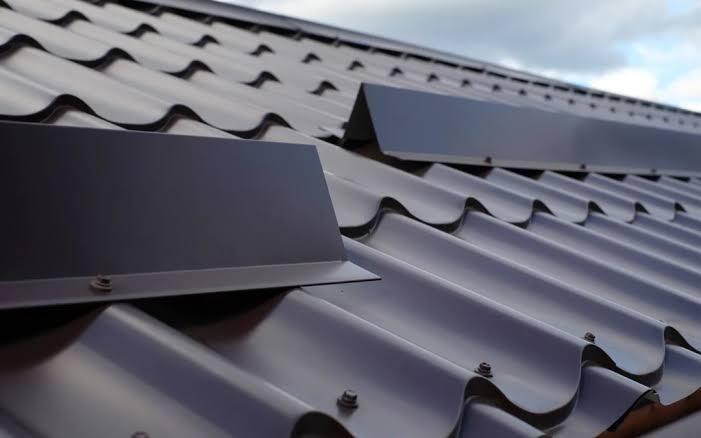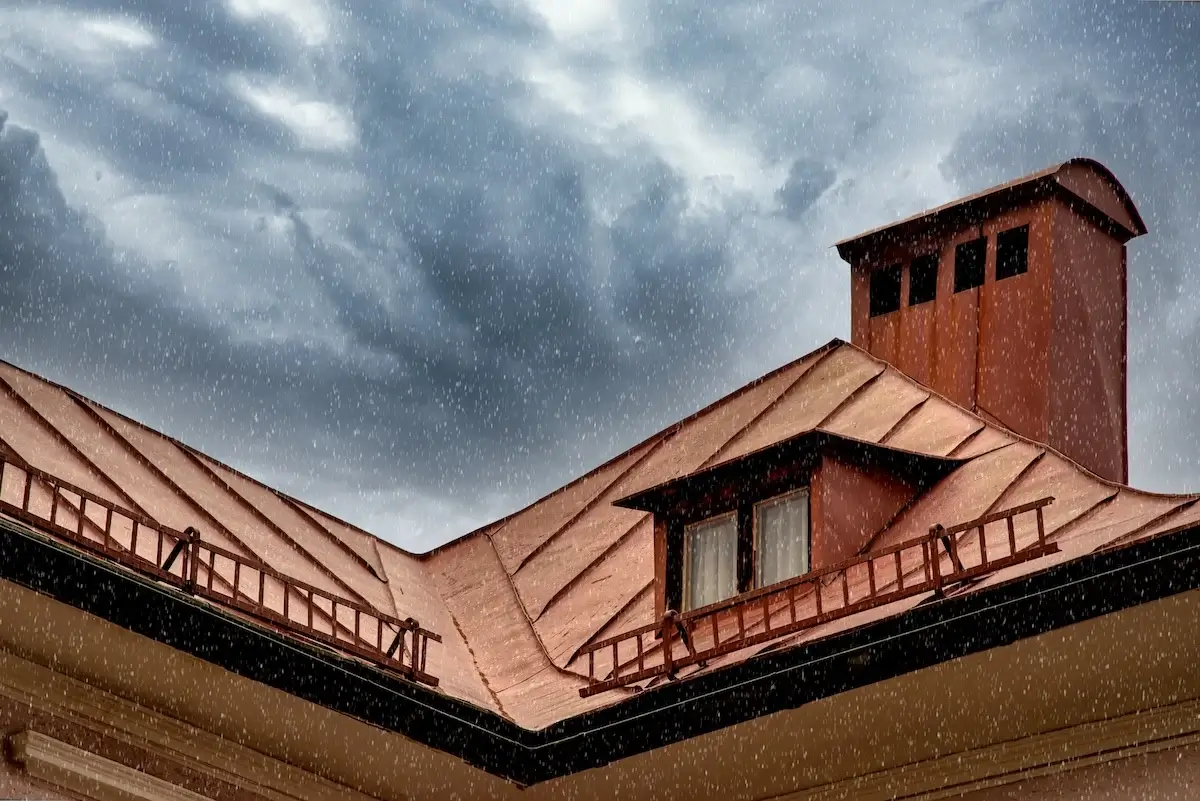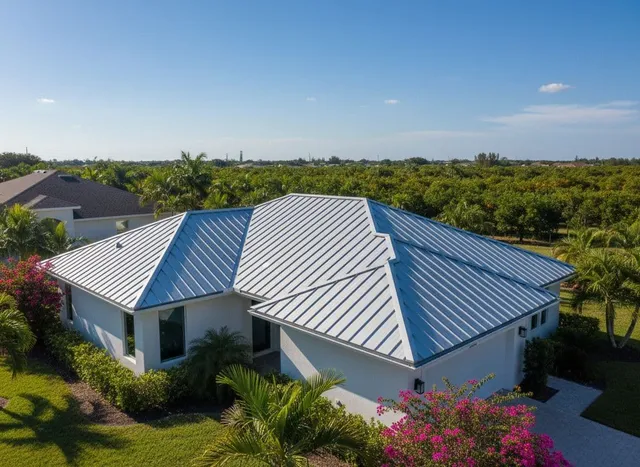


Oil canning in metal roofing is visible waviness, bulking, or rippling of the metal that affects flat surfaces of the roofs between the standing seams. This problem affects all metal panels, including copper, zinc, steel, and aluminum. The degree of the waviness tends to change under different lighting conditions.
What Causes Oil Canning?
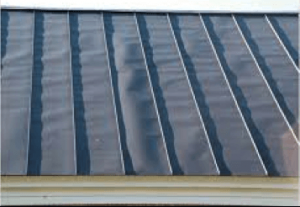 This problem occurs due to uneven stresses during the milling process. Metal roof production mills use rollers to form coils and sheets. These rollers have small gaps that separate them, not allowing proper distribution of the stress. Several types of stresses may contribute to oil canning, such as full center, wavy edge, and camber. Other causes of this problem include uneven roof decking, thermal expansion, improper storage and handling, poor metal roof installation, and movement of the supporting structure.
How Can it Be Prevented?
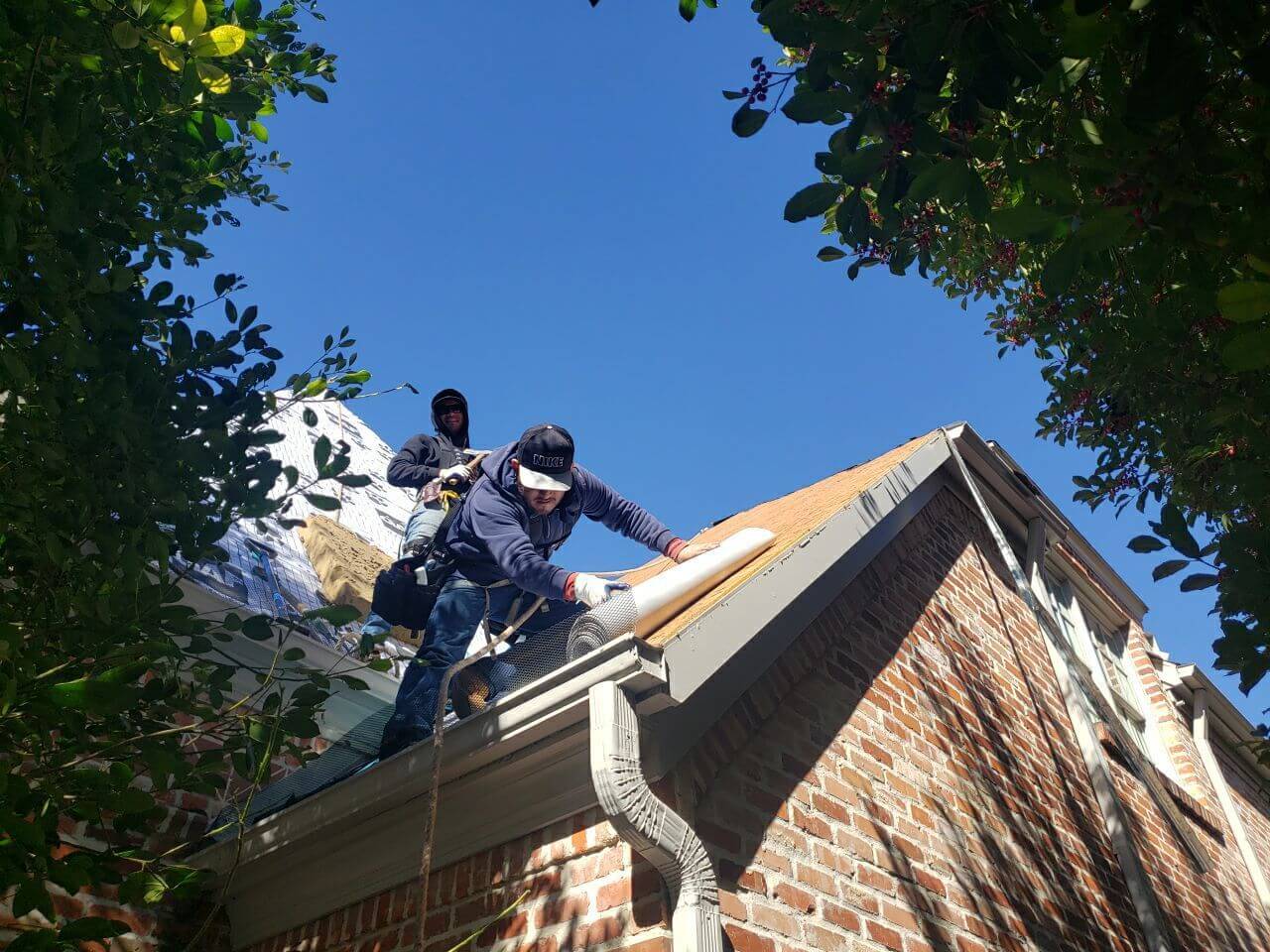
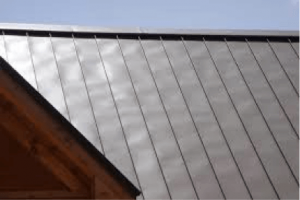 Coil producers and panel manufacturers can work to minimize unintentional uneven surfaces by maintaining their tooling. Manufacturers may need to use tension-level coils to eliminate the chore of re-cutting panels. Transporters should cushion the panels and use crates to enhance protection. Spreader bars can be used when carrying bundles of panels, and the panel should be stored on flat surfaces while awaiting installation. During installation, proper alignment and careful measurements of the panels must be taken to eliminate any chances of uneven support. The metal roofing company should also avoid over-driving the fasteners since this can cause waviness. Backer rods installed behind the panels will help eliminate oil canning by providing a slight upward pressure to each panel.
Can Oil Canning Be Fixed?
The short answer is no. Very little can be done to correct oil canning in metal roofing, and there are no metal roof repairs to help with this issue. For extreme cases, the only solution is panel replacement. However, some flat pan tongue-and-groove wall panels that have waviness can be fixed by adjusting the internal supports to put tension on the face of the panel. Most importantly, the metal roofing company must be careful during the installation process. Be sure to hire a qualified metal roof installer, who is up to date on the latest product improvements and installation methods available to insure the threat of oil canning is significantly reduced or altogether eliminated.
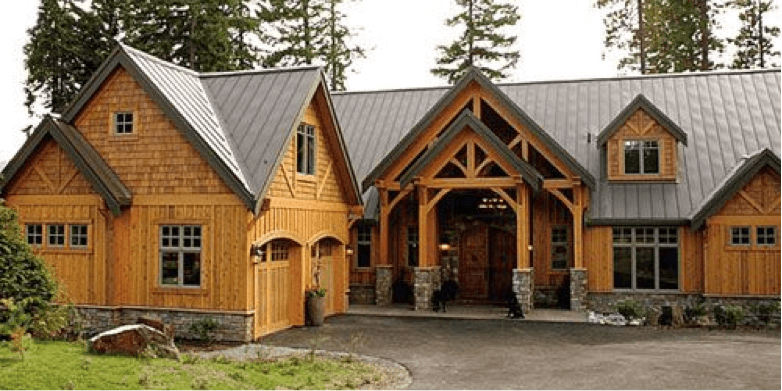
This oil canning is not what the homeowner expected to see.