Finding the best roofers to install energy-efficient roofing can help homeowners save money and reduce their environmental impact. This guide covers the main roofing options that offer great energy savings. We’ll look at cool roofs, green roofs, solar roofs, metal roofs, tile roofs, and living roofs. Each type has unique benefits for energy efficiency and cost savings. Understanding these options helps you choose the right roof for your home and climate.
Cool Roofs
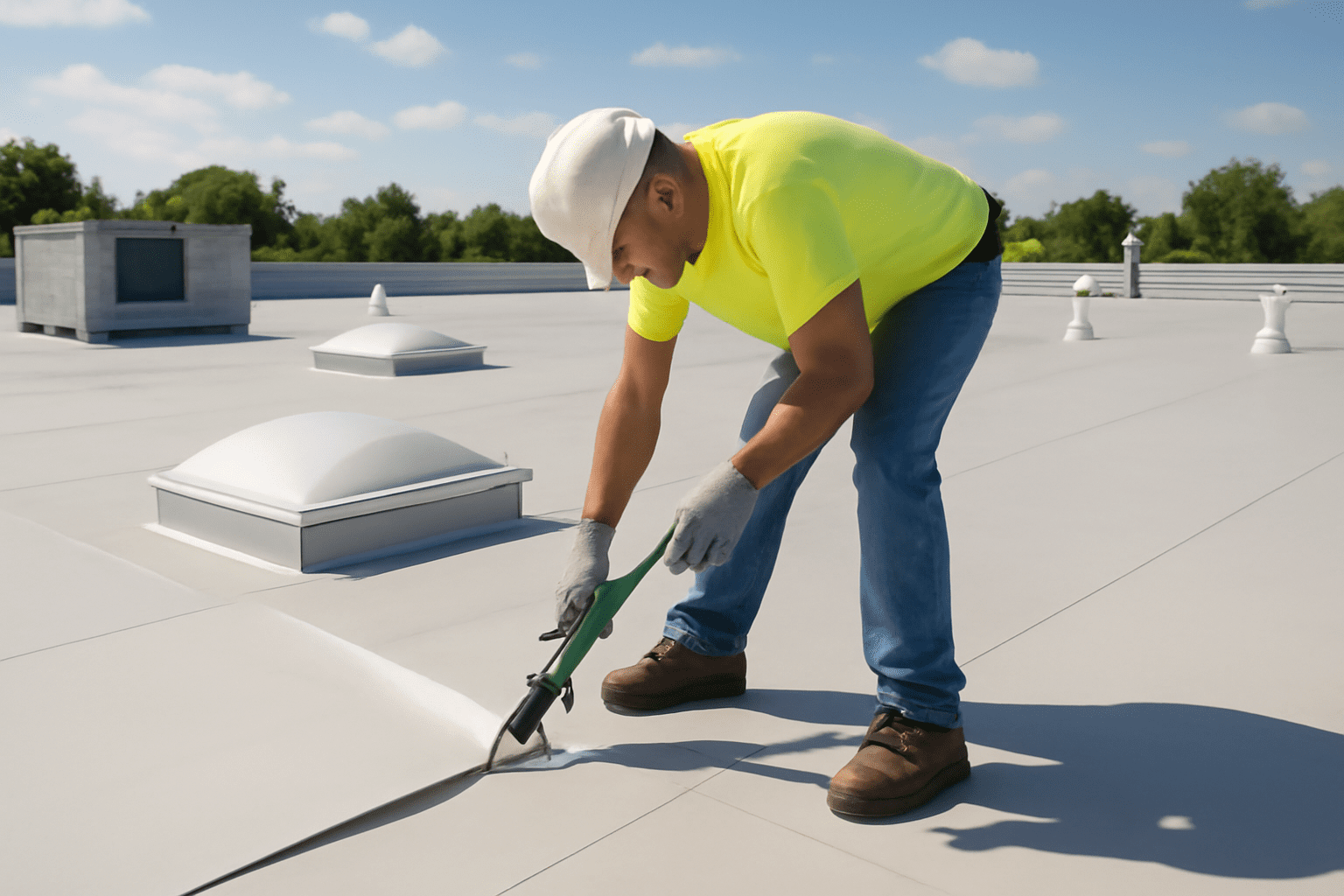
Cool roofs are great for energy savings because they reflect sunlight and reduce heat absorption. These roofs have special surfaces that reflect more sunlight than regular roofing materials. This means less heat enters your home, keeping indoor temperatures cooler. You’ll use less air conditioning, which lowers your energy bills. Studies show cool roofs can cut energy use by up to 15%. They also help reduce heat in cities and can make your roof last longer by preventing damage from extreme heat.
Green Roofs
Green roofs use plants and soil on top of your roof to create natural insulation. These living systems help control indoor temperatures year-round. They absorb heat in summer and provide extra insulation in winter. Green roofs also clean the air by removing pollution and producing oxygen. They handle rainwater runoff, which helps prevent flooding. The plants protect your roof from sun damage and weather, helping it last longer. Green roofs also create homes for birds and insects in city areas.
Solar Roofs
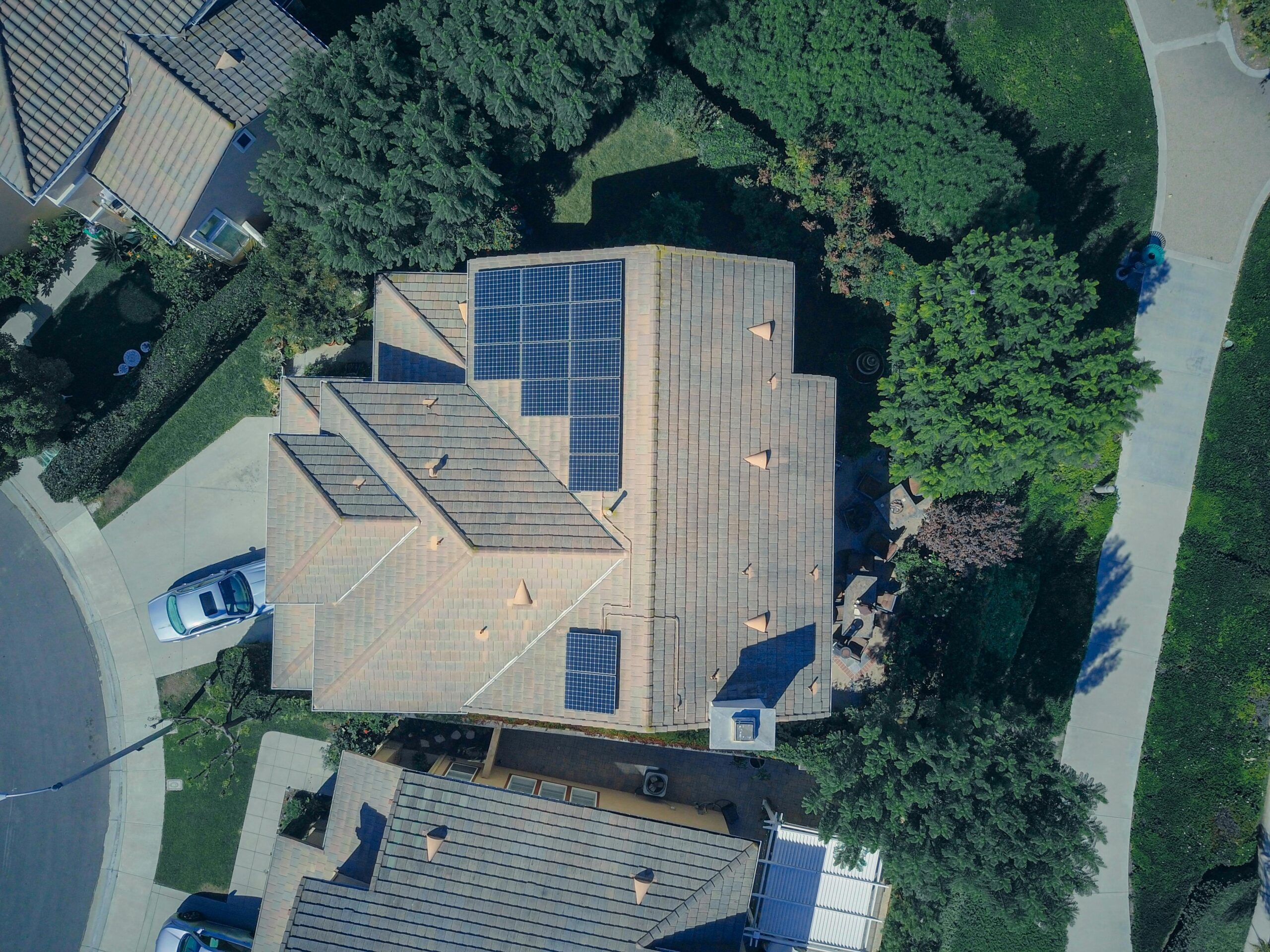
Solar roofs turn sunlight into electricity for your home, offering clean energy and cost savings.
- Energy Independence: Solar roofs let you make your power, reducing monthly electric bills and dependence on utility companies.
- Environmental Impact: Using solar power cuts carbon emissions and reduces the need for fossil fuels, helping create a cleaner environment.
- Financial Benefits: Though installation costs are high upfront, solar roofs pay for themselves over time through energy savings and tax credits, providing good long-term value.
Solar roofs combine environmental benefits with smart financial planning for homeowners.
Metal Roofs
Metal roofs offer excellent energy efficiency through their reflective surfaces and long lifespan. These roofs last 40-70 years, much longer than other materials. Metal reflects the sun’s heat away from your home, keeping it cooler in summer. This reduces air conditioning costs significantly. Metal roofs are also lightweight, putting less stress on your home’s structure. They work well in all weather conditions and require little maintenance. The durability and energy savings make metal roofs a smart choice for many homeowners.
Tile Roofs
Tile roofs provide energy efficiency and long-lasting performance through their natural properties.
- Energy Efficiency:
- Heat Storage: Tiles absorb heat during the day and release it slowly, helping control indoor temperatures.
- Durability:
- Long Life: Tile roofs often last 50+ years with minimal upkeep needed.
- Weather Protection:
- Strong Defense: Tiles resist high winds and fire, providing safety and peace of mind for homeowners.
Tile roofs offer reliable, energy-smart roofing that works well in many climates.
Living Roofs
Living roofs use plants and growing medium to create natural insulation and environmental benefits. These roofs keep homes warmer in winter and cooler in summer, reducing energy costs. The plants clean the air and help manage rainwater. Living roofs protect the roof membrane from sun and weather damage, making it last longer. They also provide habitat for wildlife in urban areas. While installation requires careful planning, living roofs offer long-term energy savings and help the environment.
Other Related Posts: