This guide examines different roofing materials to help you understand their durability and performance. We’ll look at popular options like asphalt shingles, metal roofing, clay tiles, slate, wood shakes, and synthetic materials. Each material has unique benefits and drawbacks that affect how long your roof will last. Understanding these differences helps you make a smart choice for your home with dependable roofers.
Asphalt Shingles
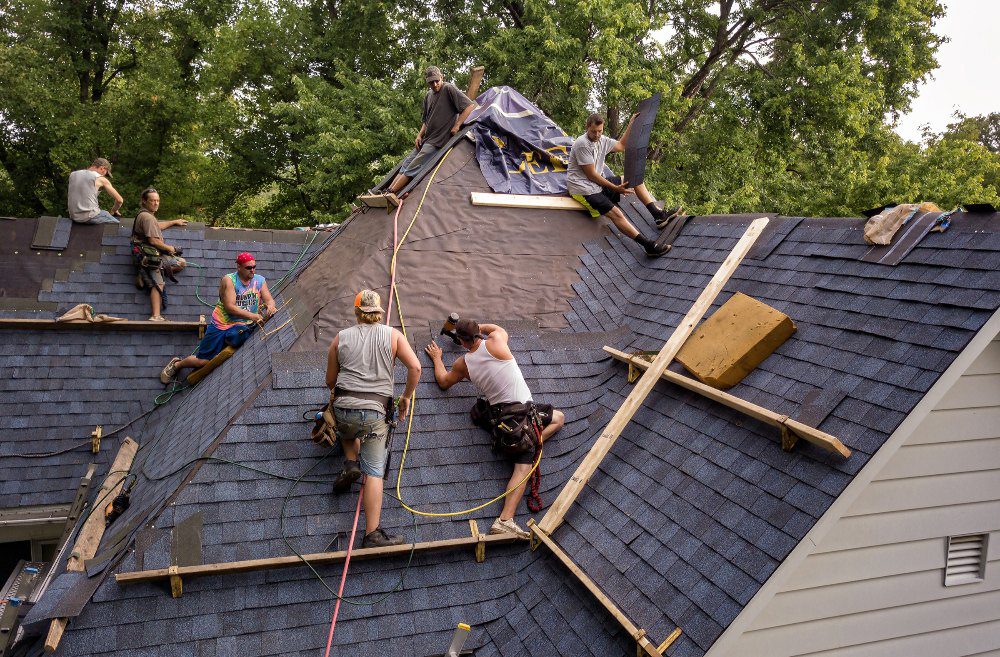
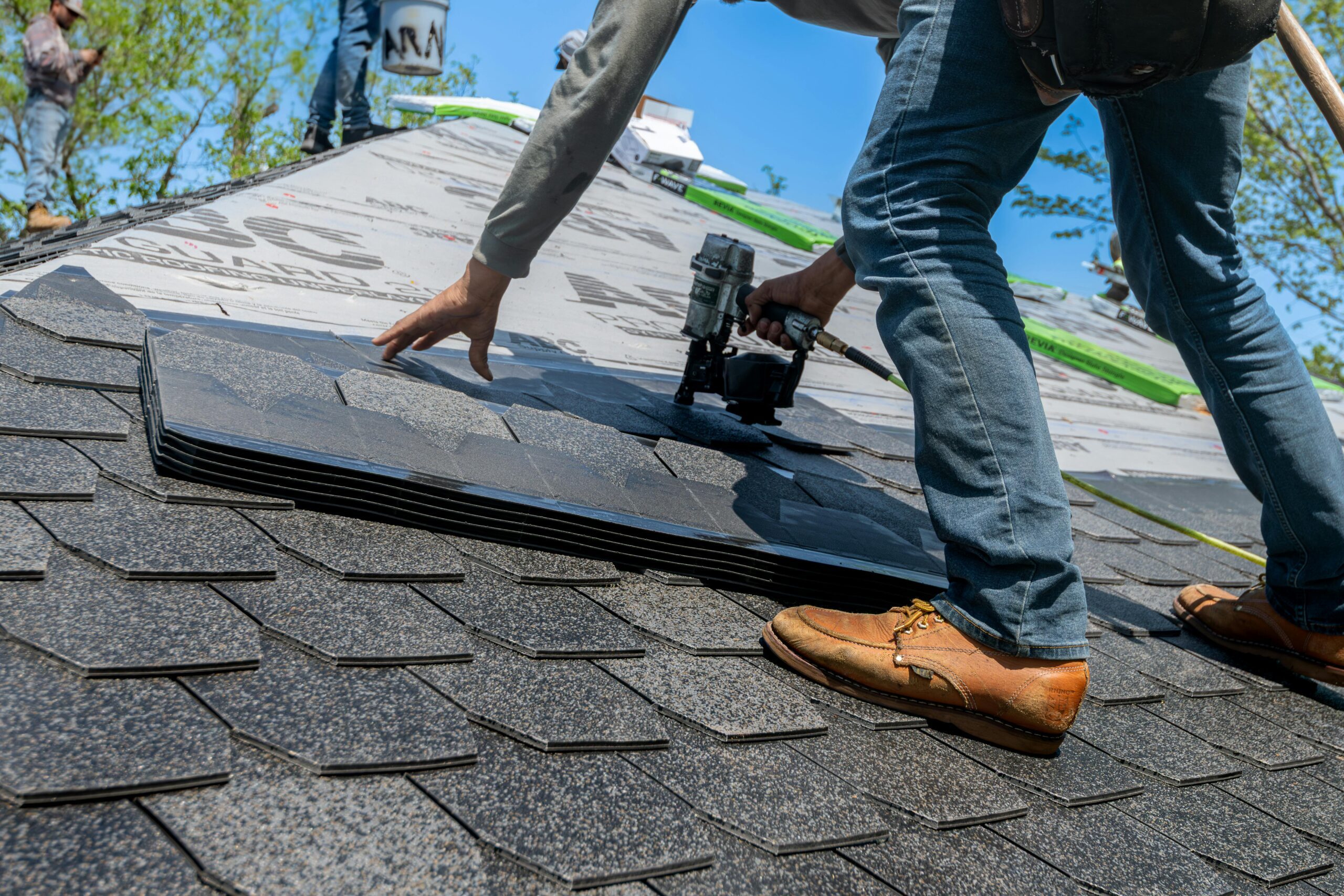
Asphalt shingles are a popular choice because they cost less and are easy to install. These shingles are made with a base material soaked in asphalt and covered with mineral granules. You can choose from different styles like three-tab and architectural shingles, each offering different levels of strength and appearance. Most asphalt shingles last 15 to 30 years, depending on their quality and how well you maintain them. Factors such as sun exposure, temperature changes, and upkeep can affect how long they last. Regular roof checks and quick repairs help these shingles last longer, making them a good choice for homeowners who want a balance between strength and cost.
Metal Roofing
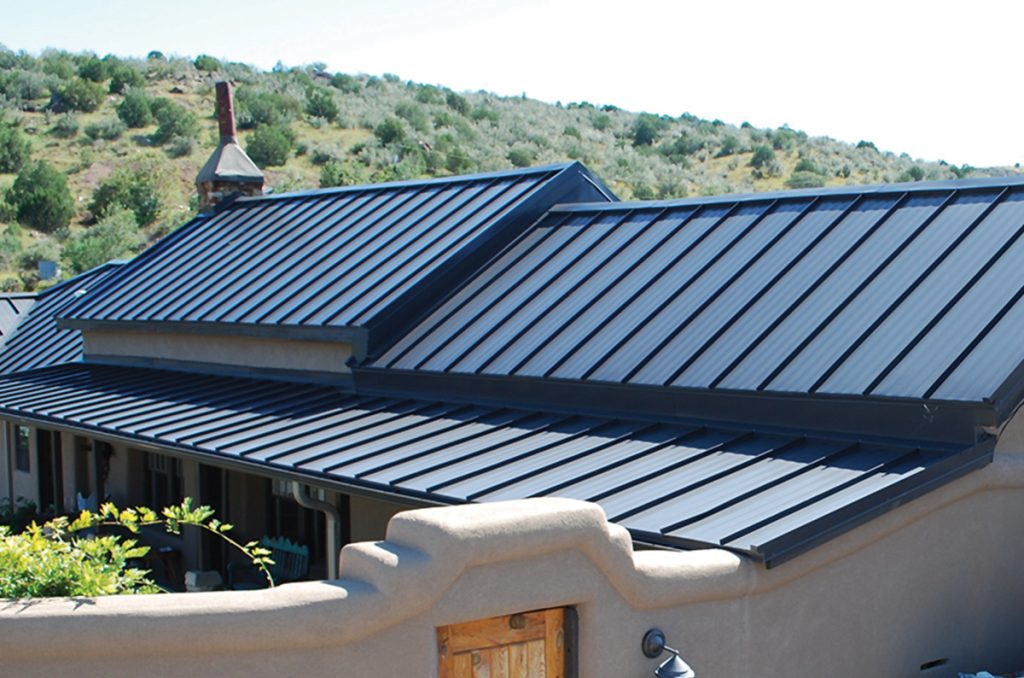
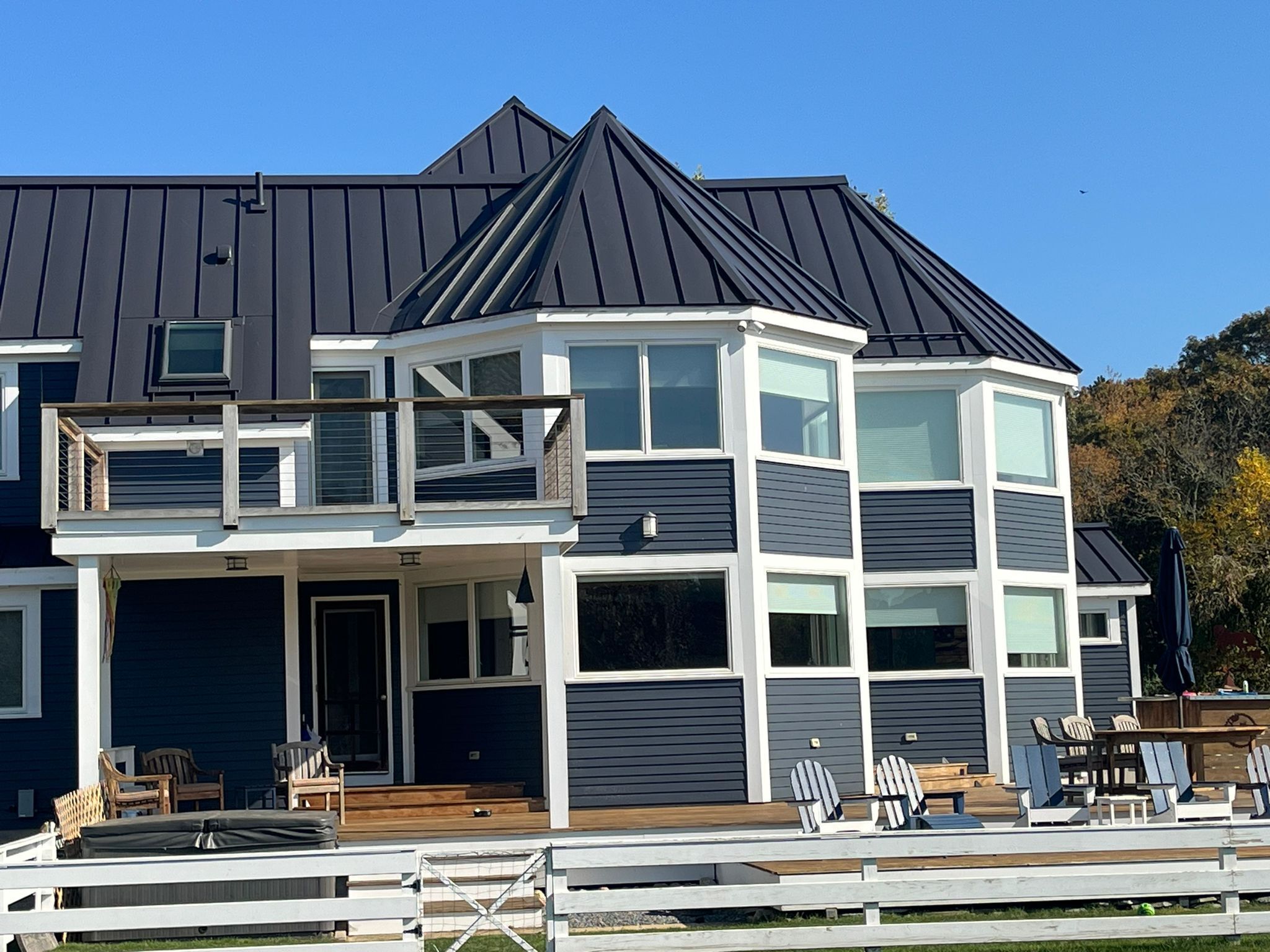
Metal roofing lasts much longer than asphalt shingles, making it popular with homeowners who want a long-term solution. The strength comes from the material itself. Most metal roofs use steel, aluminum, or copper, which resist rot, bugs, and mildew. They handle tough weather like heavy snow, hail, and strong winds without getting damaged. The interlocking panels or shingles make the roof stronger and more stable. Metal roofs also resist fire well, making them safe for homes in areas with wildfire risk. With proper installation and care, metal roofing stays strong and reliable for many decades.
Clay Tiles
Clay tiles are famous for their durability and performance on roofs. These tiles come from natural clay that gets shaped, heated, and glazed for protection. Clay tiles stay strong because they resist harsh weather like heavy rain, strong winds, and hail. They also have high thermal mass, which helps control indoor temperature by reducing heat transfer. Clay tiles can last over 50 years with proper care, making them worth the cost over time. Professional installation is important to make sure clay tiles perform their best on your roof.
Slate Roof
Slate roofs use natural stone and are known for being extremely strong and beautiful on homes and businesses. These roofs can last over 100 years when properly cared for. Slate resists fire, rot, and bug damage, making it a top-quality roofing choice. It also provides good protection against harsh weather like heavy rain, snow, and wind. Slate absorbs very little water, which prevents cracks and frost damage, keeping the roof strong for years. While it costs more to install than other materials, slate needs little maintenance and few repairs, making it cost-effective long-term for those wanting a strong and elegant roof.
Wood Shakes
Wood shakes come from natural timber and give homes a rustic look that many people love. Most wood shakes use cedar, redwood, or pine, creating a classic appearance that works with many building styles. These shakes are thicker than wood shingles, making them stronger and longer-lasting. They naturally resist insects and sun damage, but need regular care to prevent water damage and mold. Wood shakes can catch fire easily, so treating them with fire-resistant chemicals is necessary for safety. While they look beautiful and traditional, proper care is needed to make them last as long as possible.
Synthetic Roofing Materials
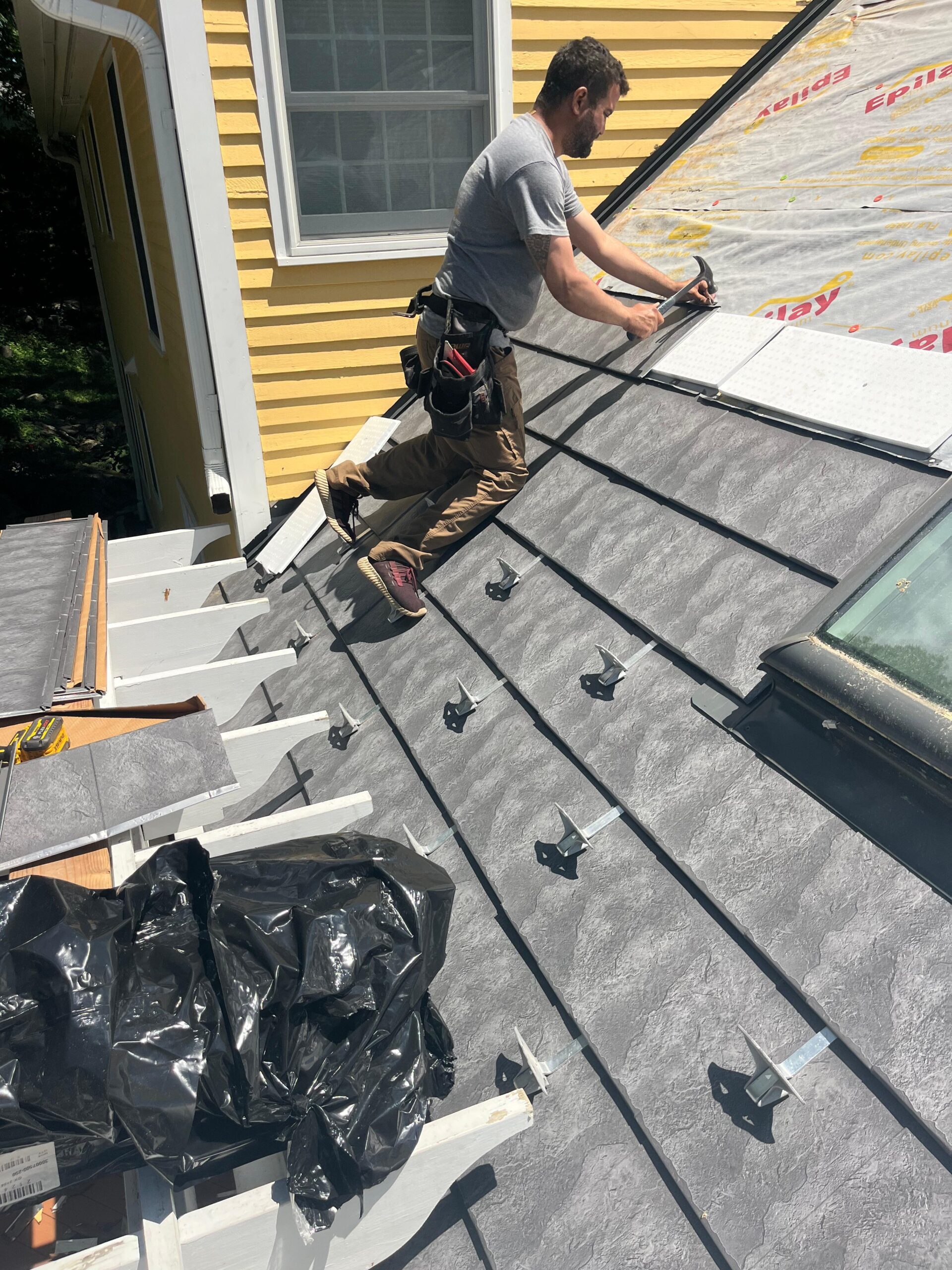
Synthetic roofing materials offer a strong and low-maintenance choice for homeowners who want long-lasting roof protection. Materials like synthetic slate, rubber slate, and plastic polymer shingles copy the look of traditional roofing while being more durable. These materials resist harsh weather, including sun rays, hail, and strong winds, making them reliable for areas with extreme weather. Synthetic materials are lightweight but strong, putting less stress on the roof structure. They’re also eco-friendly because they can be recycled after use. Synthetic roofing materials provide a practical and tough solution for homeowners seeking lasting roof protection.
Other Related Posts: