

Choosing the right underlayment for your roof is a crucial decision that significantly impacts the protection of your home. There are two main types of underlayment available today: felt and synthetic. Comprehensive roofing services often recommend understanding the differences between these materials to make the best choice for your project. This guide outlines the key differences between felt and synthetic underlayment, helping you determine which option best suits your needs.
Material Composition
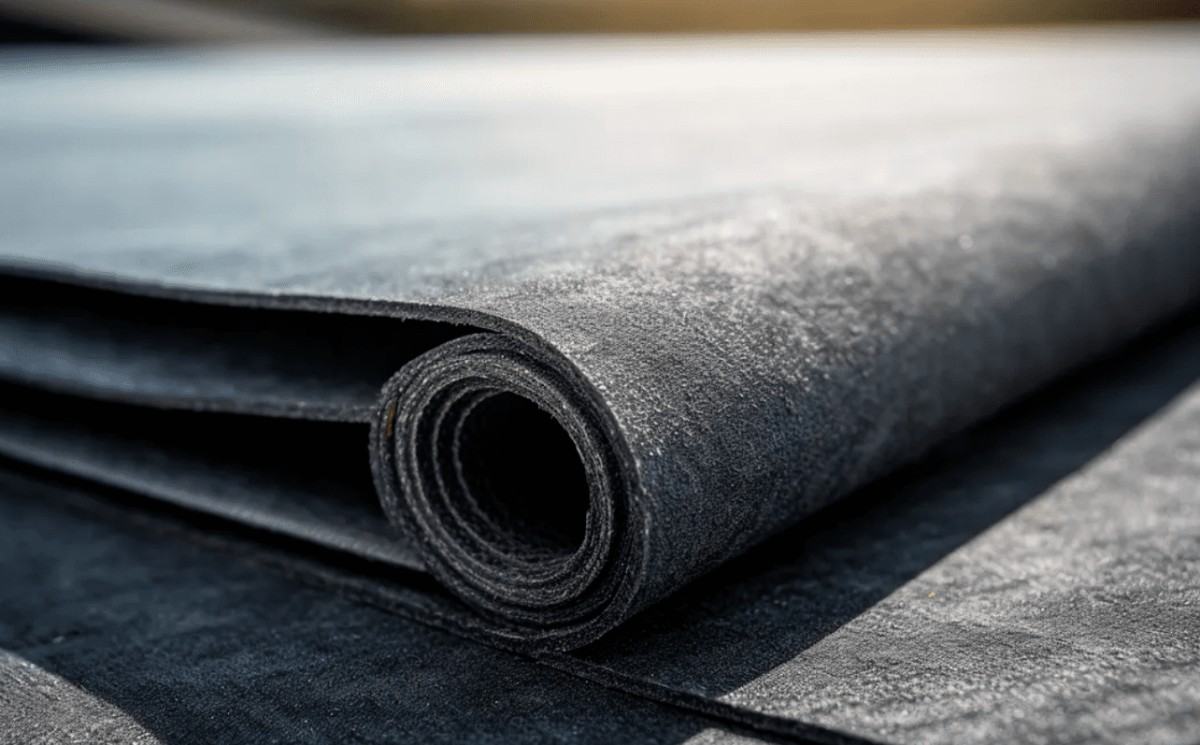
Felt and synthetic underlayment utilize very different materials, which affect their performance. Felt underlayment is made from natural materials, such as wood cellulose or recycled textiles. It breathes well and soaks up water, but it can tear easily and break down over time. Synthetic underlayment utilizes modern materials, such as polypropylene or polyester. These materials last longer, resist tearing more effectively, and withstand damage better. Synthetic underlayment is also lighter than felt and handles UV rays from the sun much better. Knowing these material differences helps you select the right underlayment based on your local weather, budget, and desired lifespan.
Water Resistance
How well underlayment blocks water is one of the most important factors for roof protection. Synthetic underlayment does a much better job of stopping water compared to felt. Synthetic materials, such as polyethylene or polypropylene, don’t absorb water, creating a strong barrier against leaks. This protection helps keep your roof structure safe from water damage and moisture problems. Many synthetic underlayments also feature special coatings that enhance their ability to block water. Good water resistance ensures your underlayment remains effective for years, protecting your entire building from water damage.
Installation Process
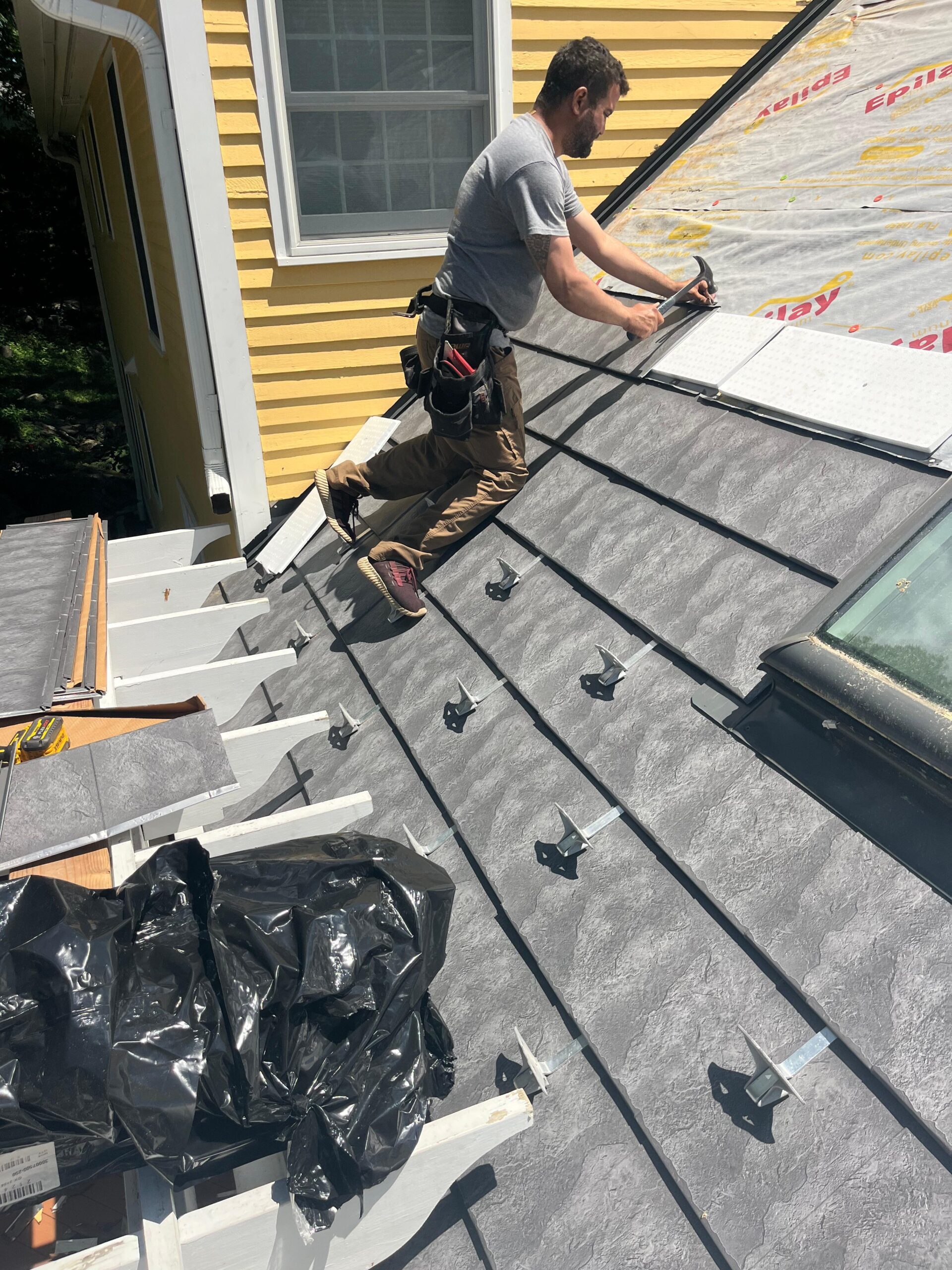
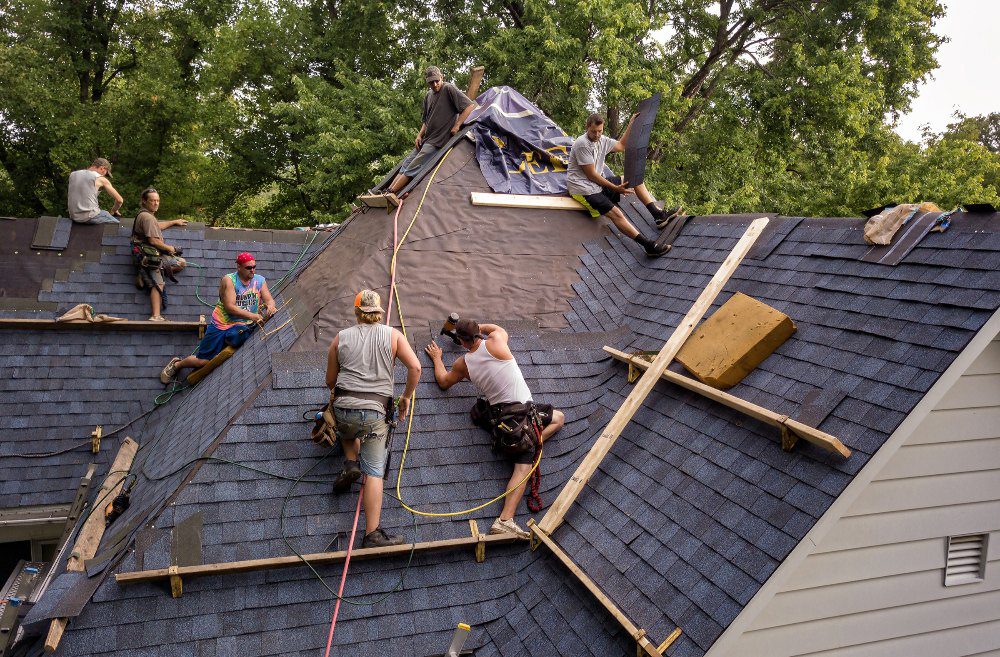
Installing underlayment correctly is key to getting the best protection for your roof. Start by ensuring the surface is clean, dry, and free of debris that could compromise the underlayment’s performance. When laying the material, overlap joints by at least 6 inches and seal them properly to stop water from getting through. Use the right fasteners at the recommended spacing to secure the underlayment to the roof deck. Please pay special attention to valleys, ridges, and areas where water flows through, ensuring they’re properly flashed and sealed to prevent leaks. Check the entire installation to ensure everything meets the manufacturer’s requirements for optimal results.
Longevity and Durability
The lifespan of underlayment depends on several important factors that affect its ability to withstand weather and time. When comparing felt and synthetic options, consider these key points:
- Material Composition: The materials used in the underlayment determine how well it will hold up over time
- Resistance to Moisture: How well the underlayment blocks moisture affects how long it will last and perform
- UV Resistance: The underlayment’s ability to handle sunlight is important since sun exposure can damage it over time
Cost Analysis
Examining costs helps you understand the true value of each underlayment type. Felt underlayment costs less upfront than synthetic options. However, synthetic underlayment often lasts much longer, which can save money over time because it does not need to be replaced as frequently. The synthetic underlayment’s improved durability can also save money on maintenance and repairs. You should consider the total cost of ownership, which includes the initial price, maintenance costs, and the lifespan of each type. While felt may be cheaper initially, synthetic underlayment could provide better value and cost savings in the long run.
Other Related Posts: