

Having an excellent roofing team install proper underlayment is crucial for protecting your home from water damage and extending the life of your roof. This guide explains how roofing underlayment works as a protective barrier between your roof deck and shingles. We’ll cover why underlayment matters, the different types available, the benefits it provides, proper installation methods, and maintenance tips. Understanding these basics helps homeowners make smart choices about their roofing system.
Importance of Roofing Underlayment
Roofing underlayment provides an extra layer of protection against leaks and water damage. This important part sits between the roof deck and shingles, preventing water from entering your home. A proper installation of underlayment is crucial for preventing water problems, especially in areas with heavy rainfall or snow. Underlayment also helps your roof last longer by reducing damage from moisture. Quality underlayment and proper installation are needed to keep your home safe and dry.
Types of Roofing Underlayment
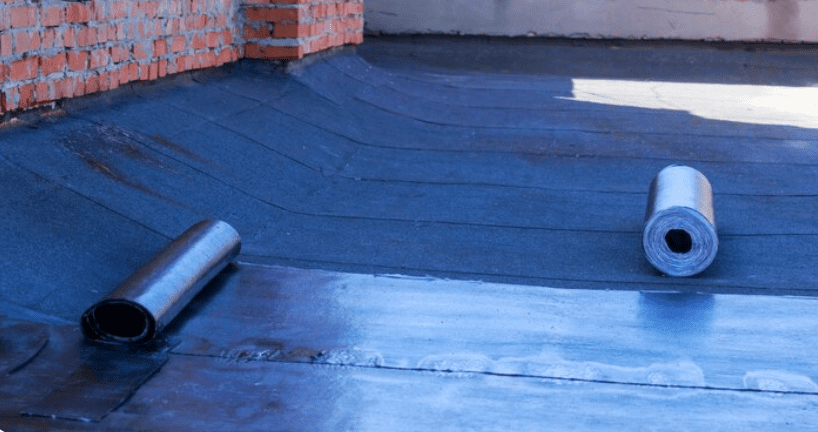
There are three main types of roofing underlayment used to protect against water damage. Asphalt-saturated felt, also called tar paper, is the traditional choice that offers good water resistance at a low cost. Rubberized asphalt underlayment is a newer option that uses rubberized asphalt on a fiberglass mat for better flexibility and strength. Synthetic underlayment is made from polyethylene or polypropylene materials that are lightweight, tear-resistant, and provide great waterproofing. Each type offers distinct benefits, so selecting the right one depends on your roof’s specific needs and budget.
Benefits of Using Underlayment
Roofing underlayment provides your home with extra protection against water damage and enhances the strength of your roof. This important layer acts as a backup barrier, protecting the roof deck from moisture and preventing leaks and water problems. Underlayment also helps your roof withstand tough weather conditions, such as strong winds, hail, and heavy snow. By creating a protective layer between the roofing material and deck, underlayment helps your roof last longer. It can also improve your home’s energy efficiency by adding insulation. These benefits make underlayment essential for keeping your roof working well for years.
Installation Best Practices
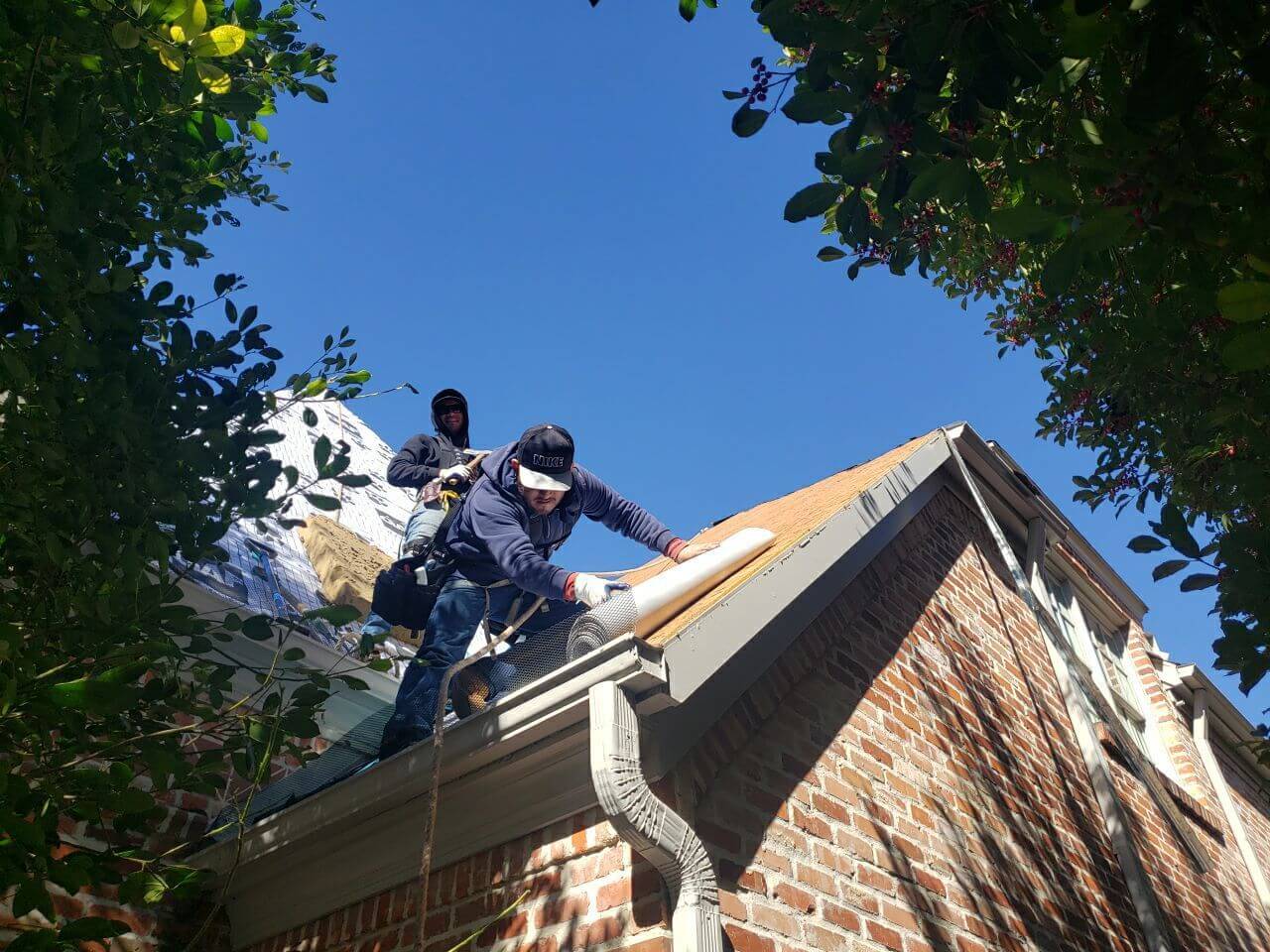
Here are the key steps for installing roofing underlayment correctly to get the best protection:
- Prepare the Surface: Ensure the roof deck is clean, dry, and free of debris before commencing the installation.
- Overlap Correctly: Overlap the underlayment sheets according to the manufacturer’s instructions to stop water from getting through
- Secure Adequately: Use proper fasteners, such as plastic cap nails or staples, to keep the underlayment in place during storms and high winds.
Following these steps creates a strong barrier against water, improving your roofing system’s overall protection.
Maintenance Tips for Underlayment
Regular maintenance ensures your roofing underlayment functions properly and lasts longer. Check your underlayment regularly for damage, such as tears, holes, or loose edges. Address any issues promptly to prevent water from entering your property. Keep the underlayment clean and remove debris that can hurt its performance over time. Ensure the underlayment remains properly attached and sealed around vents and other roof openings. Trim tree branches that hang over your roof to prevent damage from falling limbs. These simple maintenance steps help your roofing underlayment do its job and protect your home better.
Other Related Posts: