

When homeowners in Massachusetts and Southern New England explore premium roofing, the initial quote for a zinc roof can cause sticker shock. It is an investment upfront. However, anyone living under one for decades will tell you it is among the smartest architectural choices you can make.
The total cost to install architectural zinc isn’t fixed. Every New England home has a unique layout—from coastal cottages facing salty nor’easters to historic Victorians with complex dormers. Because zinc requires tailored fabrication, pricing depends heavily on your home’s layout and design. Far from an exaggeration, a zinc roof is a heirloom solution built to outlast almost any alternative.
How Much Does a Zinc Roof Cost?
If you want a single blanket number, you won’t find one—and any contractor offering one without inspecting your roof layout is cutting corners. Installing a zinc roof generally costs between $15 and $28+ per square foot. Total pricing varies by square footage, panel style, structural details, and local installation needs.
Think of zinc as a custom-tailored building envelope. Overall costs hinge on a few main factors: overall surface area, the selected zinc system (like standing seam versus interlocking shingles), roofline complexity, old roof removal, and specialized sheet metal craftsmanship.
Average Zinc Roof Cost Per Square Foot
Nationally, installed zinc roofing averages between $15 and $25 per square foot for standard applications, with intricate architectural profiles reaching $28 or more.
New England pricing usually hits the mid-to-upper end of that scale. Sourcing raw architectural zinc, hiring certified sheet metal artisans, and building to local ice and snow codes all push regional estimates higher.
Zinc Roof Cost by Roof Size
Contractors measure material requirements using “roofing squares” (1 square = 100 square feet of surface area), taking roof pitch, gables, and overhangs into account rather than interior floor space.
Here is how total estimates typically scale by roof surface area:
- Small Roof / Partial Accent (1,000 sq. ft.): $15,000 – $25,000+
- Average Home Roof (2,000 sq. ft.): $30,000 – $50,000+
- Large Home Roof (3,000 sq. ft.): $45,000 – $75,000+
- Expansive Estate (4,000+ sq. ft.): $60,000 – $110,000+
Zinc Roofing Material Cost vs. Installation Cost
Unlike standard asphalt shingles where materials are cheap and labor is basic, zinc projects lean heavily on skilled craftsmanship.
- Zinc Material Costs: Raw zinc panels, coils, breathable underlayment, clips, and trim make up roughly 40% to 50% of the budget. As a refined non-ferrous metal, raw zinc commands a higher price tag than painted steel or aluminum.
- Installation Labor & Custom Fabrication: Artisans spend hours hand-forming flashings, folding lock seams, and building in room for thermal expansion. Labor and field fabrication regularly represent 50% to 60% of total project costs
What Is a Zinc Roof?
A zinc roof is a high-performance system made from raw zinc alloyed with trace amounts of titanium and copper. Popular across European cities like Paris for centuries, architectural zinc is famous for its self-healing ability, distinct look, and corrosion resistance.
Unlike standard metal roofs that rely on painted coatings or temporary sealants, zinc is an elemental metal that ages gracefully on its own. It is a premier choice for homeowners wanting timeless character and serious longevity.
What Is Zinc Roofing Made Of?
Architectural zinc consists of solid sheet metal alloyed with titanium (for tensile strength) and copper (for workability). It can be shaped into standing seam panels, interlocking shingles, tiles, or flat-lock panels.
It is distinct from “galvanized” steel, which is carbon steel dipped in a thin layer of zinc. Once that thin plating wears down, steel rusts. Solid architectural zinc is uniform straight through—it never rusts, peels, or needs painting.
How Does a Zinc Roof Develop Its Patina?
Zinc’s signature feature is its natural weathering process. Exposed to moisture, carbon dioxide, and oxygen, the metal forms a protective outer layer of zinc hydroxy-carbonate, known as a patina.
Over its first few years, bright raw zinc converts into a soft, matte blue-gray or slate-gray finish. This patina seals the metal from air and moisture. Light scratches naturally heal over as the patina forms again over the mark.
How Long Does a Zinc Roof Last?
A well-designed zinc roof lasts 80 to 100+ years. In environments with clean air, zinc structures can easily cross the century mark.
Achieving this service life requires precise installation detailing. Trapped moisture damages raw zinc, so proper deck design—including ventilated air gaps and specialized separation membranes—is critical to protect the underside of the panels.
What Factors Affect Zinc Roof Cost?
A few key architectural and structural details determine where your estimate lands within the price range.
Roof Size and Square Footage
Surface area forms the base of your estimate. Larger roofs demand more zinc alloy, additional underlayment, extra fasteners, and longer labor hours on site.
Roof Pitch and Accessibility
Steep slopes require staging, safety harnesses, and slower panel handling. Multi-story homes or properties with tight access increase crew logistics, pushing labor costs up.
Roof Shape and Complexity
Simple gable roofs with straight planes are the easiest to build. Complex rooflines with dormers, valleys, hips, chimneys, and curves need custom hand-folding, which adds labor time.
Zinc Roofing Style
Your chosen panel style impacts fabrication time and material usage. Pre-formed standing seam installs faster than hand-fitted tiles or flat-lock panels that require manual seaming at every joint.
Zinc Thickness and Finish
Architectural zinc comes in standard gauges (usually 0.7mm to 1.0mm). Thicker gauges add durability in heavy snow regions at a higher material cost. Pre-patinated factory finishes (like graphite gray) also carry a small price premium over raw mill-finish zinc.
Existing Roof Removal and Deck Preparation
Old roofing must be stripped down to the wooden deck before installing zinc. Repairing rotted plywood and adding separation layers will increase overall project expenses.
Flashing, Trim, Gutters, and Other Roofing Details
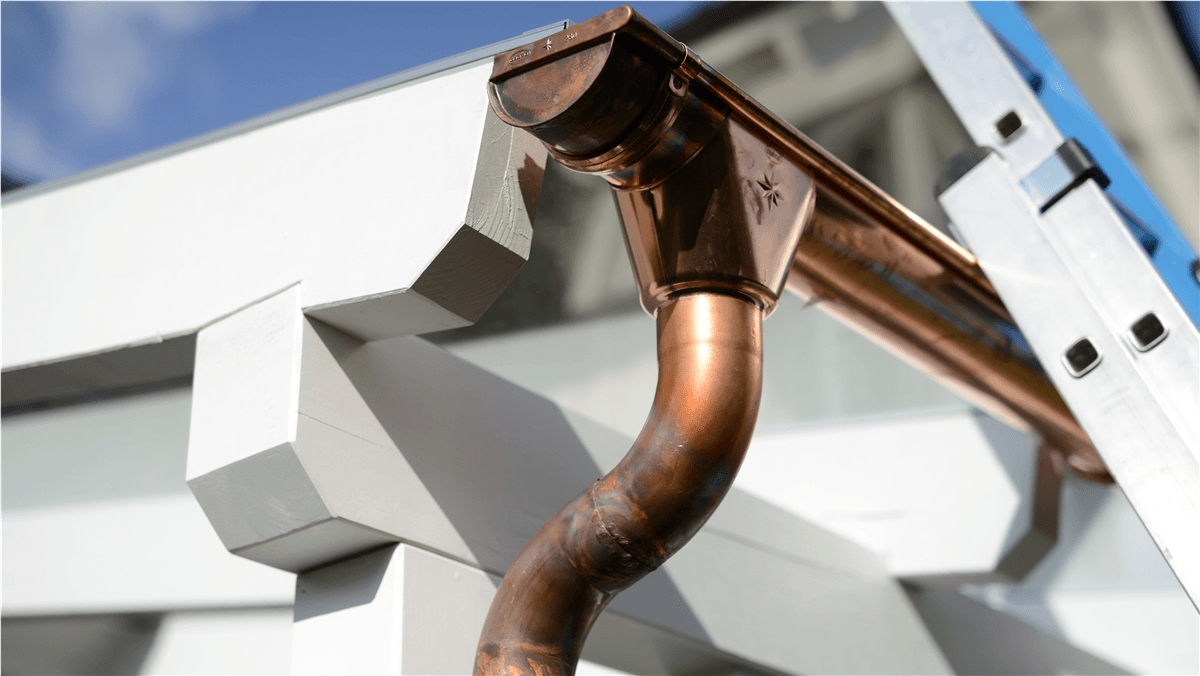
A complete zinc roof requires matching accessories to prevent galvanic corrosion from mixing metals. Custom edge trims, valley flashings, chimney crickets, and zinc gutters are crafted as a single integrated system.
Local Labor and Material Availability in New England</3>
Zinc installation is a specialized trade, not standard shingle laying. Qualified zinc artisans are scarce across Massachusetts, Connecticut, New Hampshire, and Rhode Island, meaning local labor rates reflect true master-level expertise.
Zinc Roof Cost by Roofing Style
Your choice of profile affects curb appeal, labor hours, and overall material usage.
Standing Seam Zinc Roof Cost
- Average Installed Cost: $15 – $25 per sq. ft.
Standing seam is a classic choice for modern and traditional homes. Continuous vertical panels with concealed fasteners let the metal expand and contract naturally while sealing out wind and rain.
Zinc Shingles and Tiles
- Average Installed Cost: $16 – $26 per sq. ft.
Zinc shingles and diamond tiles offer a textured look similar to slate or European clay tile. Because each piece must be interlocked and hand-fastened in overlapping rows, labor costs are higher.
Flat-Lock Zinc Roofing
- Average Installed Cost: $16 – $24 per sq. ft.
Flat-lock panels are small zinc sheets folded at the edges and locked flat against the deck. Ideal for low-sloped sections, barrel roofs, or accent walls, they offer high wind resistance and clean lines.
Corrugated and Other Zinc Profiles
- Average Installed Cost: $12 – $16 per sq. ft.
Corrugated zinc features wavy, exposed- or concealed-fastener panels. While popular in agricultural or industrial designs, it is less common for standard residential roofs.
How to Install a Zinc Roof
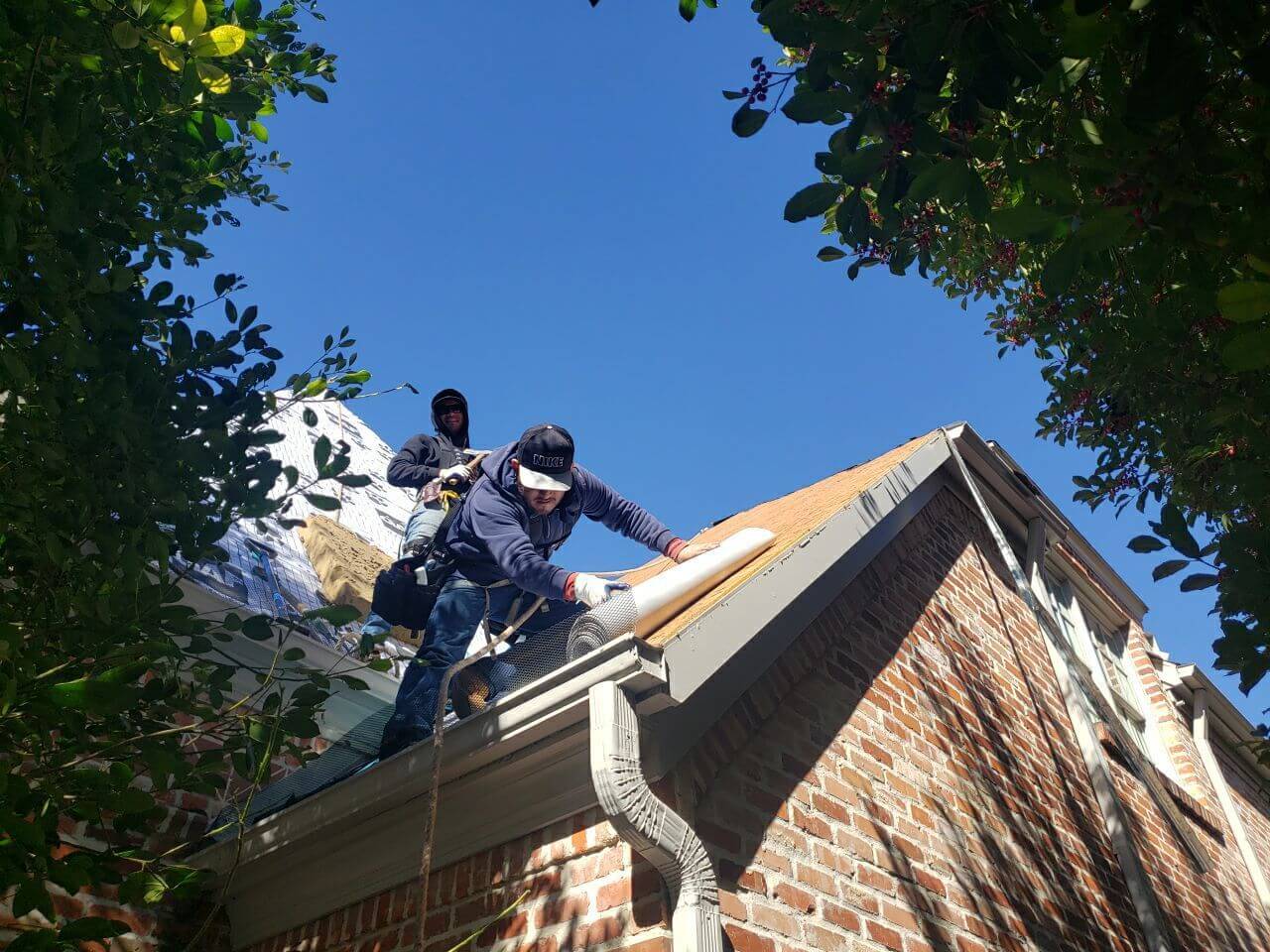
Installing zinc relies on sheet metal physics, proper ventilation, and craft skills. It is never a DIY project.
Inspect the Existing Roof and Deck
Installers check the roof deck’s slope, weight capacity, attic ventilation, and smoothness to build a solid foundation before panel layout starts.
Prepare the Roofing Surface
After stripping old materials, crews repair bad wood and lay underlayment. A structured air-gap drainage mat goes over the ice-and-water shield so condensation under the metal evaporates safely.
Install Zinc Panels or Shingles
Panels are rolled or folded on-site or in a sheet metal shop. They attach with concealed stainless steel clips that allow panels to slide during temperature changes, preventing thermal buckling.
Detail Seams, Flashing, Valleys, and Penetrations
Artisans hand-seam the panel joints at edges, valleys, and chimneys. Double-locking these seams creates a watertight seal without relying on temporary caulking or rubber gaskets.
Complete Final Inspection and Cleanup
Crews inspect every seam, clear away debris, verify gutter drainage, and check that the complete system is ready for severe weather.
Why Do Homeowners Choose Zinc Roofing?
Despite the higher price tag, zinc provides a rare mix of performance, long-term savings, and curb appeal.
Exceptional Longevity
Asphalt roofs in New England last 15 to 20 years. A zinc roof lasts 80 to 100+ years. Across its lifespan, zinc eliminates three to four tear-offs, balancing out its initial price.
Natural Protective Patina
Unlike painted steel that chips or fades, zinc’s patina strengthens as it ages. It holds up against coastal salt air and repels harsh weather year after year.
Low Maintenance
Zinc naturally resists moss, algae, and fungus. Outside of clearing debris and keeping gutters open, it needs no painting, sealers, or chemical washes.
Design Flexibility
Malleable zinc allows artisans to form tight roof transitions, clean architectural lines, curves, dormer caps, and wall cladding that elevate home design.
Recyclability and Sustainability
Zinc is 100% recyclable, non-toxic, and requires less energy to produce than copper or aluminum, making it a solid eco-friendly building material.
Is a Zinc Roof a Good Choice for New England Homes?
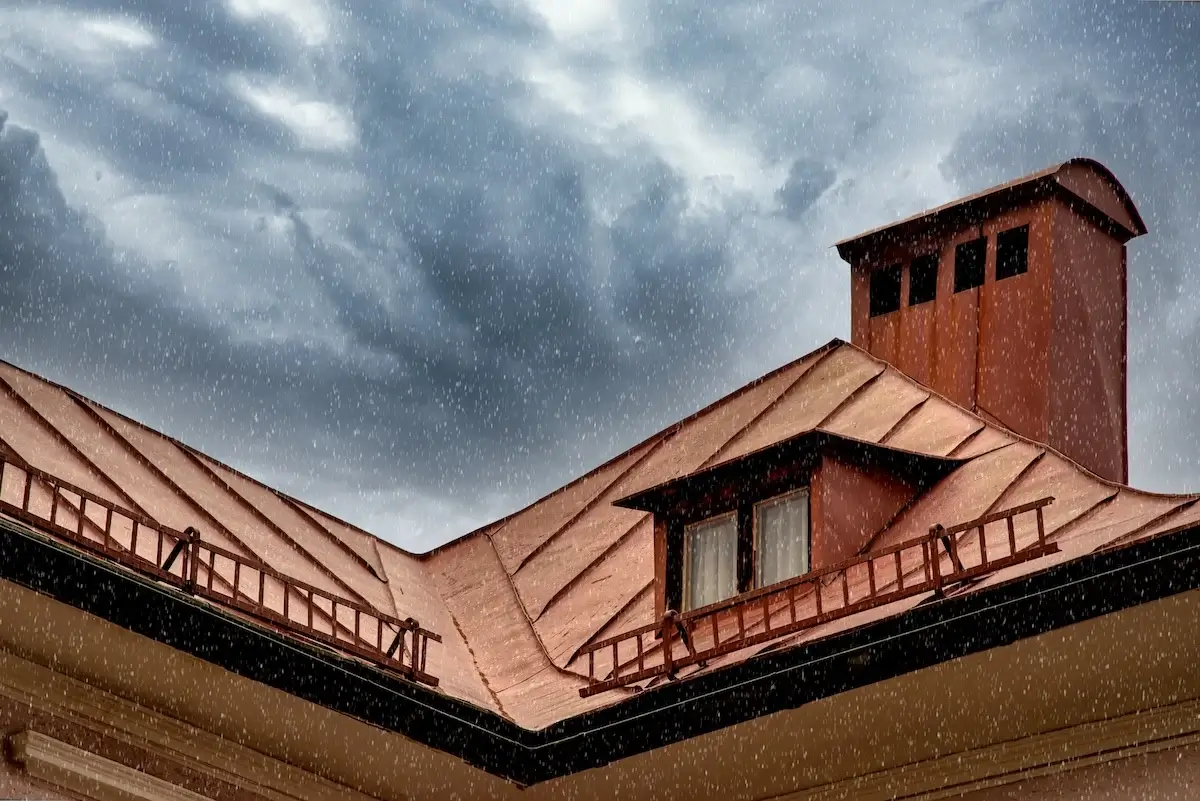
New England weather brings brutal swings—nor’easters, freezing rain, coastal spray, ice dams, and humid summers. Zinc stands up to all of them.
Zinc Roofing for Massachusetts Homes
From Cape Cod colonials facing salt air to modern MetroWest Boston homes, Massachusetts homeowners benefit from zinc’s rot-proof and salt-resistant qualities.
Zinc Roofing for Connecticut Homes
Connecticut homeowners seeking long-term home value get timeless style from zinc, matching both historic preservation needs and modern custom builds.
Zinc Roofing for New Hampshire and Rhode Island Homes
In southern New Hampshire or along the Rhode Island coast, zinc forms an impermeable shield against heavy wind, freeze-thaw cycles, and persistent moisture.
Zinc Roofing for Snow, Ice, and Severe Weather
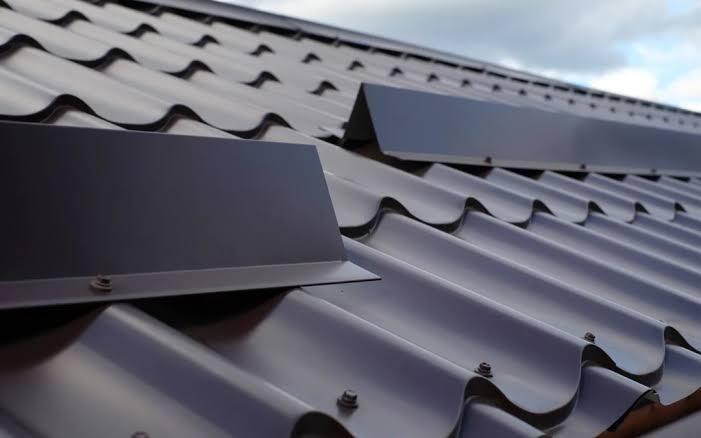
Zinc’s smooth finish sheds snow quickly, curbing ice dam formation along eaves. Paired with snow guards, zinc roofs safely manage heavy snowfall without damaging lower structures.
Zinc Roof Maintenance and Long-Term Costs
Evaluating zinc means looking past the initial installation cost to long-term ownership.
How Much Maintenance Does a Zinc Roof Need?
Very little. Because the patina regenerates naturally, zinc never needs painting or sealants. Maintenance mostly involves sweeping off heavy debris and clearing downspouts.
What Can Increase Long-Term Zinc Roof Costs?
Improper installation is the primary cause of early zinc failure. Omitting ventilation layers, trapping moisture, or using incompatible fasteners causes galvanic corrosion. Hiring an experienced installer prevents these errors.
Zinc Roof Repair vs. Replacement
If a storm damages a section, individual interlocking panels or flashings can be replaced without stripping the entire roof deck.
How to Choose a Zinc Roofing Contractor in New England
Proper zinc installation requires specialized sheet metal training. Picking the right installer is as important as picking the metal itself.
Look for Experience With Zinc Roofing
General roofing experience doesn’t transfer directly to zinc work. Ask contractors about their experience with non-ferrous metals, double-lock seaming, and zinc deck ventilation.
Review Previous Zinc Roofing Projects
Ask for photos or addresses of completed zinc installations. Experienced metal contractors will readily share examples of their seaming and flashing work.
Ask What Is Included in the Zinc Roof Estimate
Confirm that your quote covers tear-off, deck repairs, breathable underlayment, flashings, snow guards, trim, cleanup, and labor warranties.
Compare Quotes Based on Scope, Not Just Price
Low bids often mean a contractor is cutting corners on separation layers, flashings, or skilled labor. Compare proposals based on materials and ventilation strategy.
Frequently Asked Questions About Zinc Roof Cost and Zinc Roofing
How much does a zinc roof cost?
A residential zinc roof installation costs $15 to $28+ per square foot. Average homes run $30,000 to $60,000+ depending on roof size and design complexity.
What is a zinc roof?
It is a long-lasting roofing system made from solid architectural zinc alloy. Unlike galvanized steel, solid zinc forms a protective patina and never rusts.
How much does zinc roofing cost per square foot?
Raw zinc materials run $6 to $12 per square foot. Installed costs average $15 to $28 per square foot, including labor, underlayment, and flashings.
Is zinc roofing more expensive than other metal roofs?
Yes. Zinc is a premium metal like copper. It costs more upfront than painted steel or aluminum, but its 80+ year lifespan yields a low cost per year over time.
How long does a zinc roof last?
A correctly installed zinc roof easily lasts 80 to 100+ years with minimal upkeep.
How do you install a zinc roof?
Zinc installs over a clean deck with underlayment and an air-gap drainage mat. Panels are secured with stainless steel clips and hand-seamed at the edges.
Is zinc roofing good for New England homes?
Yes. Zinc withstands freeze-thaw cycles, salt air, heavy rain, and snow shedding, making it well-suited for New England weather.
Does zinc roofing require maintenance?
Maintenance is minimal. Periodic checks and keeping gutters clean are usually all that is needed.
Does a zinc roof develop a patina?
Yes. Exposure to rain and air causes zinc to build a protective blue-gray patina that guards against corrosion.
Is a zinc roof worth the cost?
If you plan to stay in your home long-term or want a durable, low-maintenance roof that outlasts asphalt several times over, zinc offers excellent lifetime value.
Why Choose Classic Metal Roofs for Zinc Roofing?
Classic Metal Roofs specializes in residential metal roofing across Massachusetts, Connecticut, New Hampshire, and Rhode Island. Our team provides master-level craftsmanship tailored to local weather conditions.
Installing architectural zinc is a major investment. We guide you from initial planning through final inspection, making sure every detail meets strict industry standards.
Get a Zinc Roof Estimate From Classic Metal Roofs
Ready to explore architectural zinc for your home? Contact Classic Metal Roofs today. Whether planning a roof replacement or selecting options for a custom build, our team is ready to assist.
Reach out through our contact page to schedule a consultation and receive a detailed zinc roof estimate for your project.