

Metal roofing is renowned across New England for its exceptional durability, energy efficiency, and sleek, modern look. However, when storm clouds roll over your home, a metal roof behaves quite differently than a traditional asphalt shingle roof. Water sheets off metal rapidly and in massive volumes. Without a properly engineered gutter system, that deluge can quickly threaten your property’s exterior.
Understanding how gutters work with metal roofs is essential for protecting your home’s siding, landscaping, and foundation. Whether you are upgrading your drainage system or planning a complete roof replacement, coordinating your gutters with your roofing design ensures long-term performance. The experts at Classic Metal Roofs help homeowners navigate these choices to safeguard their investments against New England’s harsh seasonal weather.
How Do Gutters Work With Metal Roofs?
At its core, a gutter system acts as a deliberate drainage channel. When rain strikes your metal roof, gravity forces the water down the smooth surface toward the eaves. The gutters mounted along the roofline catch this incoming runoff, channeling it laterally toward downspouts, which then safely discharge the water away from your home’s perimeter.
Can You Put Gutters on a Metal Roof?
Yes, absolutely. You can—and should—install gutters on a metal roof. However, success depends entirely on precision. Because metal panels shed water far more quickly than rough asphalt shingles, the gutters must be sized correctly, hung at the proper slope, and positioned perfectly relative to the roof edge to catch fast-moving water without being torn away during heavy winter ice slides.
Why Metal Roofs Need Proper Gutter Systems
Metal roof panels are intentionally non-porous and slick. During a torrential downpour, water doesn’t slow down as it travels; it gains momentum. Without an appropriately designed gutter system, this fast-moving runoff falls freely from the eaves, acting like a pressure washer along your foundation line and creating significant structural and aesthetic issues.
How Rainwater Moves From the Roof to the Downspout
- Panel Shedding: Rain lands on the standing seam or metal panel and glides downward.
- Drip Edge Transition: Water flows over the metallic drip edge, which extends slightly over the back inside lip of the gutter trough.
- Channel Collection: The gutter trough collects the water and relies on a slight downward pitch to push it toward the outlets.
- Downspout Discharge: Water flows through the downspout assembly, exiting through extensions or underground drainage lines well away from your home.
Why Gutters Are Important for Metal Roofs
Rainwater management isn’t just about avoiding a soggy garden; it is about preserving the structural integrity of your entire property.
Protecting Your Home’s Foundation
When uncontrolled roof runoff pours directly off the eaves, it pools around the base of your home. Over time, this standing water saturates the surrounding soil, putting immense hydrostatic pressure on foundation walls. This can lead to basement leaks, concrete cracking, soil erosion, and severe foundation settling.
Preventing Water Damage to Siding and Landscaping
Free-falling water splashes mud and debris upward, staining siding, rotting lower wood trims, and fostering mold and mildew growth. Furthermore, heavy cascades wash away mulch, destroy flower beds, and carve unsightly trenches through your lawn.
Managing Heavy Rainfall and Fast Roof Runoff
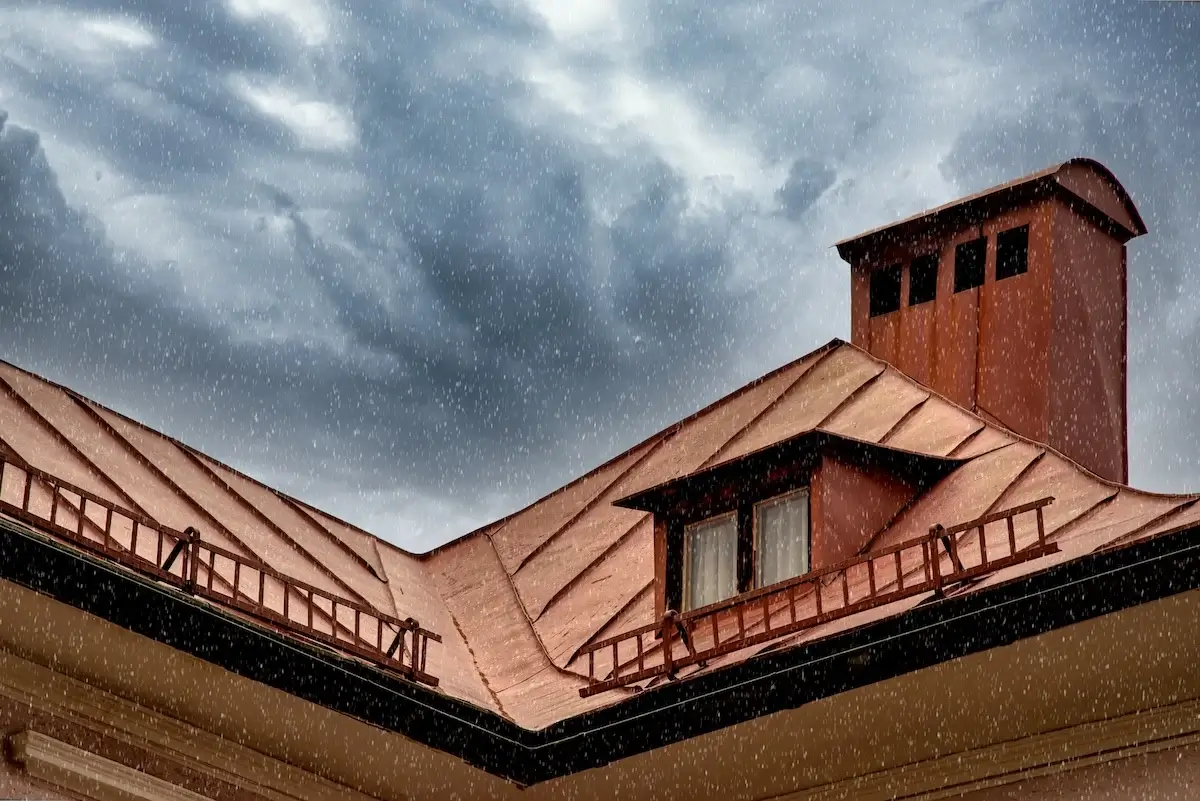
New England weather frequently brings sudden, intense rainstorms. Because metal roofs offer zero surface resistance, water volume hits the roof edge almost instantaneously. Standard, undersized gutters or poorly positioned downspouts will be quickly overwhelmed, leading to massive spillover.
What Types of Gutters Work Best With Metal Roofs?
Choosing the right style and material for your gutters depends on your home’s architecture, expected water volume, and aesthetic preference.
Seamless Aluminum Gutters
Seamless aluminum gutters are custom-extruded on-site to match the exact length of your home’s eaves. Because they eliminate mid-span joints, they drastically reduce potential leak points—a major advantage when handling the high-volume water flow typical of metal roofs.
K-Style Gutters
K-style gutters feature a flat back and a decorative outer profile resembling crown molding. Their flat back makes them easy to secure tightly against the fascia board, and their deep profile allows them to carry significantly more water than traditional half-round styles.
Half-Round Gutters
Featuring a semi-circular trough, half-round gutters offer a timeless, historic look that pair beautifully with standing seam metal roofs. Because their interior is completely smooth, leaves and debris wash away more easily, though they typically require heavy-duty external brackets for secure mounting.
Box Gutters
Box gutters are heavy-duty, rectangular channels often integrated into complex commercial or residential rooflines. They are designed specifically to handle massive volumes of water from large, steep metal roofs where standard gutters might overflow.
Choosing the Right Gutter Material
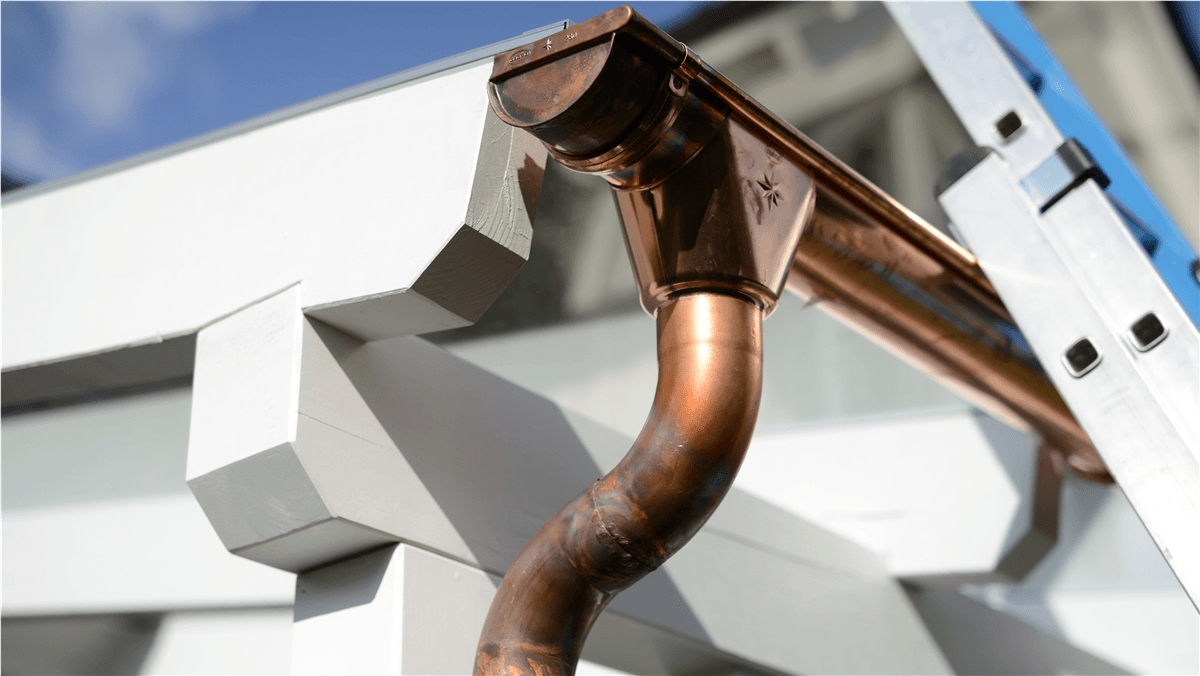
While copper and steel are options, aluminum remains the top choice for residential metal roof pairings. Aluminum resists rust and corrosion, matches metal roof color palettes well, and provides a lightweight yet durable channel that won’t strain fascia boards.
How Are Gutters Installed on a Metal Roof?
Installing gutters on a metal roof requires specialized techniques to accommodate rapid water flow and seasonal movement.
Gutter Placement Beneath the Drip Edge
Gutters must be mounted slightly lower than the natural plane of the metal roof while still catching all runoff. The drip edge metal flashing must extend down into the gutter trough so water cannot sneak behind the gutter body and rot the underlying fascia.
Attaching Gutters to the Fascia Board
Installers secure heavy-duty gutter hangers directly through the fascia board into structural rafter tails. Direct penetrations into the metal roof panels themselves should always be avoided, as this creates potential leak paths and restricts metal panel movement.
Specialized Brackets and Mounting Hardware
Because metal roofs shed heavy snow, standard clip hangers are often insufficient. Professional installers utilize heavy-duty internal hangers, heavy-gauge brackets, or roof-strap hangers engineered to withstand lateral forces.
Gutter Slope and Downspout Placement
Gutters require a precise pitch—typically 1/4 inch of fall for every 10 feet of run—toward the downspouts. Downspout locations are strategically calculated based on total roof square footage and local rainfall rates to ensure swift water evacuation.
Sealing Joints and Preventing Leaks
End caps, corner miters, and downspout outlets must be joined using high-performance, UV-resistant elastomeric sealants. Proper sealing ensures the system remains leak-free under high water pressures and freezing temperature cycles.
What Makes Gutter Installation Different for Metal Roofs?
Metal roofs interact with the elements differently than asphalt roofs, presenting unique installation considerations.
Fast Water Runoff From Metal Roofing
Because surface friction is minimal, water comes off a metal roof like a slide. If a gutter is hung too low or is too narrow (e.g., standard 5-inch instead of high-capacity 6-inch), high-velocity runoff will overshoot the trough completely during heavy downpours.
Roof Expansion and Contraction
Metal roof panels expand and contract with seasonal temperature swings. Gutter mounts and flashing details must never bind or pinion the metal roofing panels, allowing the roof to move naturally without pulling on the gutter system.
Avoiding Incompatible Metals and Galvanic Corrosion
When two dissimilar metals (like copper and aluminum or galvanized steel) come into contact in the presence of moisture, galvanic corrosion occurs, rapidly deteriorating both materials. Gutters, fasteners, and flashing must be chemically compatible with your specific metal roof type.
Protecting Gutters From Sliding Snow and Ice
In snowy New England climates, winter snowpacks can suddenly release and slide down smooth metal panels in massive avalanches. If gutters are installed too high along the roofline, sliding snow can shear them clean off the fascia.
Do You Need Gutter Guards for a Metal Roof?
Gutter guards can be a valuable addition, but they must be selected carefully to handle fast-moving water.
Benefits of Gutter Guards
- Reduced Clogging: Keeps leaves, twigs, and evergreen needles from blocking water flow.
- Pest Prevention: Stops birds, rodents, and insects from nesting in stagnant gutter water.
- Winter Ice Reduction: Helps prevent wet leaves from freezing into solid blocks of ice inside the trough.
Choosing Gutter Guards for Residential Gutters
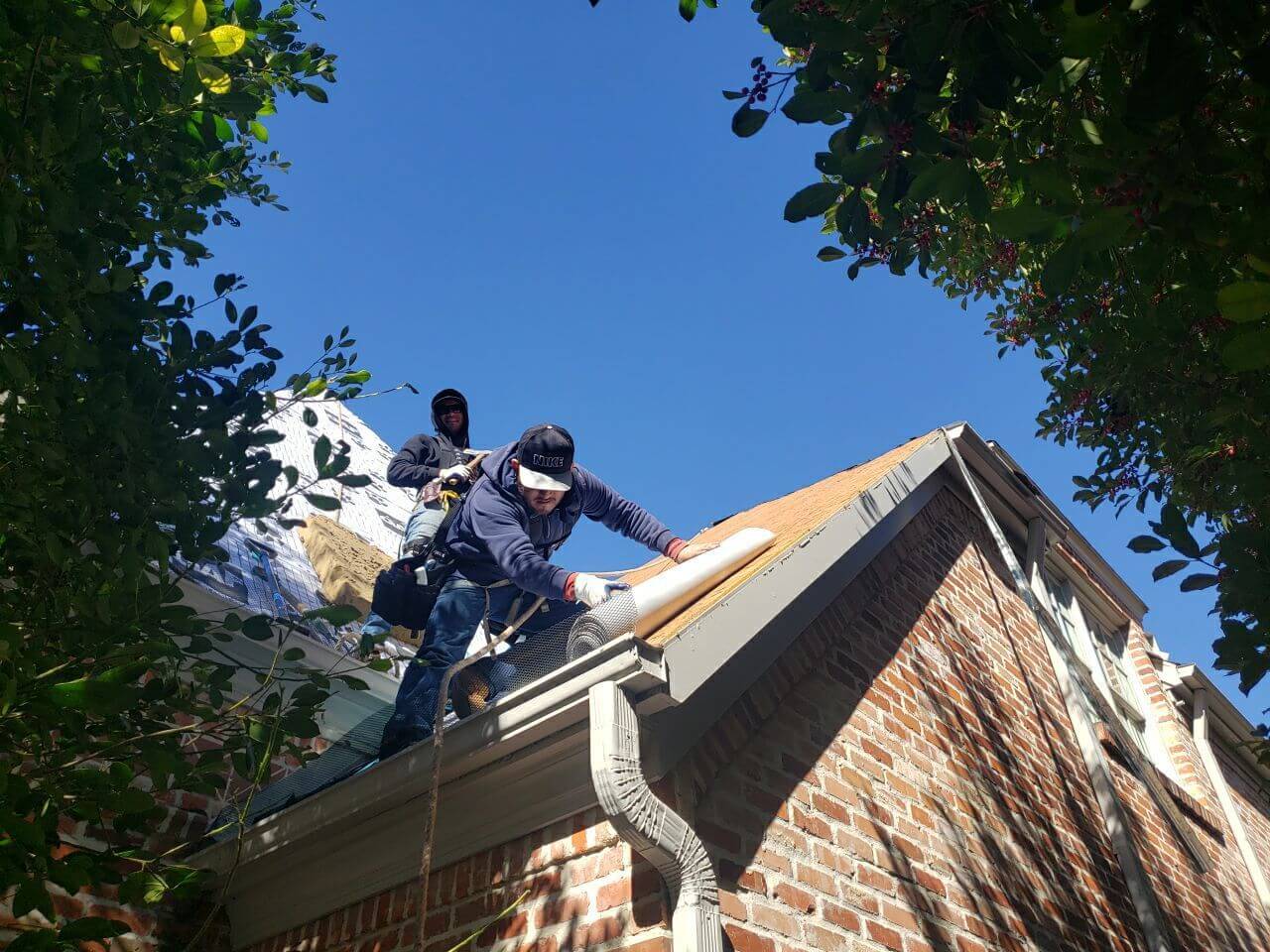
Micro-mesh guard systems are generally the best pairing for metal roofs. They sit flat and feature tiny perforations that pull fast-moving water into the gutter via capillary action while shedding pine needles and heavy debris off the edge.
Why Gutter Guards Do Not Eliminate Maintenance
While guards drastically reduce cleaning frequency, they are not zero-maintenance. Fine pollen, sap, and small debris can still settle on top of the screens over time, requiring periodic rinsing to maintain optimal water intake.
Common Problems With Gutters on Metal Roofs
Recognizing potential red flags helps you address minor issues before they cause costly property damage.
Water Overshooting the Gutter
If rainwater shoots past your gutters during a heavy storm, the gutters may be installed too low, the roof pitch may be too steep for the current gutter size, or a high-flow splash guard may be needed at roof valleys.
Gutter Overflow During Heavy Rain
Overflow usually points to clogged downspouts, undersized gutter troughs (using 5-inch gutters where 6-inch is required), or an insufficient number of downspouts along the run.
Sagging or Detached Gutters
Sagging occurs when gutter hangers loosen under heavy debris, standing water, or winter snow loads. Damaged or rotted fascia boards underneath can also cause the entire system to pull away from the home.
Leaking Gutter Seams and Connections
Over time, constant expansion and contraction degrade standard silicone sealants at gutter joints, leading to drips and leaks at corners and end caps.
Ice and Snow-Related Gutter Damage
When heavy snow slides down a metal roof, it can crush standard gutters or pull them away from the eaves if snow retention measures aren’t in place.
How to Maintain Gutters on a Metal Roof
A well-maintained gutter system ensures long-lasting protection for your home year-round.
Clean Gutters Regularly
Clear out seasonal debris at least twice a year—typically in late spring and late autumn—to maintain unobstructed flow.
Inspect Gutters Before and After Winter
Check hardware, hangers, and sealants before the first snow and immediately after the spring thaw to catch winter strain early.
Check Downspouts and Drainage Areas
Flush downspouts with a hose to ensure water moves freely and discharges at least 3 to 5 feet away from your foundation.
Look for Signs of Gutter or Roof Edge Damage
Inspect your fascia for water stains, look for sagging lines along the eaves, and check for loose flashing or drip edges.
Should You Install Gutters When Replacing a Metal Roof?
Coordinating your gutter replacement with a new metal roof installation delivers the cleanest aesthetics and the most reliable weatherproofing.
Coordinating Gutters With Metal Roof Installation
Installing gutters alongside a new roof allows contractors to integrate the drip edge, underlayment, and fascia brackets perfectly from the ground up, guaranteeing optimal water capture and eliminating awkward retrofits.
Replacing Damaged or Inadequate Gutters
If your current gutters are rusted, dented, undersized, or leaky, keeping them during a roof upgrade is a false economy. Upgrading to oversized, seamless aluminum gutters ensures your drainage capacity matches your new roof’s speed.
Adding Gutters to an Existing Metal Roof
If you already have a metal roof, you can still add gutters at any time. Professional installers can fit custom seamless gutters beneath your existing drip edge without disrupting or damaging your installed roof panels.
How Much Do Gutters for a Metal Roof Cost?
Gutter installation costs vary depending on the specific scope and architectural features of your home.
Factors That Affect Gutter Installation Cost
- Material Selection: Aluminum is budget-friendly, while copper or heavy-gauge steel carries a premium cost.
- Linear Footage & Height: Larger home footprints and multi-story structures require more materials and safety rigging.
- Roof Pitch & Complexity: Steep slopes and complex rooflines with multiple corners require extra labor and custom fitting.
- Fascia Repairs: Replacing rotted wood fascia prior to mounting adds to overall project costs.
Seamless vs. Sectional Gutter Costs
Sectional gutters (sold in pre-cut vinyl or aluminum pieces at hardware stores) have a lower upfront material cost but carry higher long-term labor and repair costs due to frequent seam leaks. Custom seamless gutters cost slightly more initially but deliver vastly superior longevity and lower maintenance.
Gutter Repairs vs. Gutter Replacement
If your gutter system suffers from localized leaks at a single seam, a quick re-sealing or hanger replacement may suffice. However, if the troughs are bent, rusting, or consistently overshooting across multiple runs, a complete system replacement is the most cost-effective long-term solution.
Why Choose Classic Metal Roofs for Your Metal Roofing Project?
When investing in a permanent roofing solution for your home, working with seasoned local specialists makes all the difference.
Metal Roofing Expertise for New England Homes
Classic Metal Roofs brings decades of specialized experience installing premium standing seam and metal shingle roofing systems across Massachusetts, Connecticut, Rhode Island, and southern New Hampshire.
Metal Roof Systems Designed for Local Weather Conditions
New England weather demands rugged, proven materials. Our metal roofing systems are engineered to withstand heavy snow accumulation, freeze-thaw cycles, high wind loads, and torrential seasonal rains without sacrificing curb appeal.
Coordinating Roof and Gutter Considerations
We evaluate the complete roofing envelope. During project planning, our team assesses roof pitch, drip edge details, downspout placement, and snow guard integration to ensure your roof and drainage systems work in perfect harmony.
Request a Metal Roofing Consultation
Protect your home with a roof built to last a lifetime. Contact the experts at Classic Metal Roofs today to discuss your project requirements and schedule a professional evaluation.
Frequently Asked Questions About Gutters for Metal Roofs
How Do Gutters Work?
Gutters capture rainwater flowing off the roof pitch, channeling it horizontally into downspouts that safely discharge the water away from the foundation.
Can You Put Gutters on a Metal Roof?
Yes, gutters are routinely installed on metal roofs using specialized hanging methods and placement techniques to ensure optimal water collection.
Do You Need Gutters on a Metal Roof?
While not legally mandated, gutters are essential for protecting your home’s foundation, basement, siding, and landscaping from the fast, concentrated runoff produced by metal roofs.
What Type of Gutter Is Best for a Metal Roof?
Seamless 6-inch aluminum K-style or half-round gutters are generally the top choice due to their high water capacity, sleek appearance, and durability.
Can You Install Gutters on a Standing Seam Metal Roof?
Yes. Gutters are mounted directly to the fascia board beneath the standing seam panel drip edge, preserving the clean look and integrity of the roof seams.
Can Gutters Be Attached Directly to Metal Roof Panels?
No. Gutters should be secured to the fascia board or structural rafter tails. Penetrating metal roof panels directly can cause leaks and restrict thermal expansion.
Are Seamless Gutters Better for Metal Roofs?
Yes. Seamless gutters eliminate mid-run joints, drastically reducing leak risks when handling heavy, rapid roof runoff.
Do Metal Roofs Need Larger Gutters?
In many cases, yes. Upgrading from standard 5-inch to 6-inch high-capacity gutters helps prevent water from overshooting during torrential downpours.
How Do You Prevent Water From Overshooting Gutters on a Metal Roof?
Mount the gutters at the correct height relative to the drip edge, select wider 6-inch troughs, and install splash guards in high-flow valleys.
How Do You Protect Gutters From Sliding Snow?
Installing metal roof snow guards breaks up heavy snowpack, preventing massive snow slides from damaging or tearing off your gutters.
How Often Should Gutters on a Metal Roof Be Cleaned?
Clean your gutters at least twice per year—in spring and autumn—or more frequently if your home is surrounded by dense trees.
How Much Do Gutters for a Metal Roof Cost?
Costs depend on linear footage, material choice, roof height, fascia condition, and hardware requirements. Custom seamless aluminum systems offer an exceptional balance of price and long-term value.
Learn More About Metal Roofing and Gutter Solutions
Proper water management involves looking at your whole roof ecosystem.
Metal Roof Snow Guards
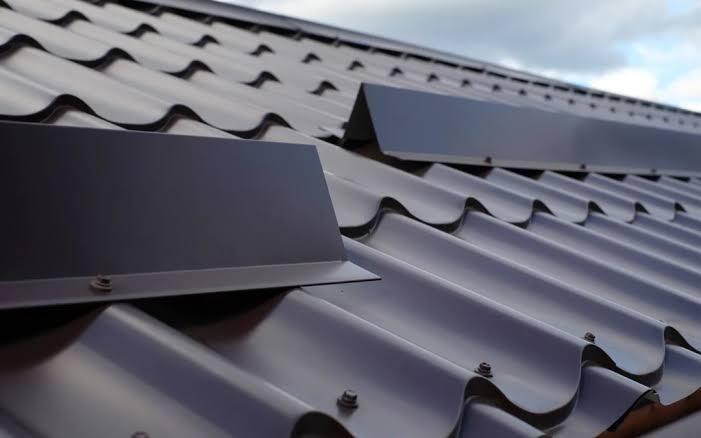
Snow guards are small cleats or rails mounted across your metal roof surface. They hold snowpacks in place, allowing snow to melt off gradually rather than releasing in sudden, dangerous avalanches that can destroy gutters and lower decks.
Custom Gutters for Metal Roofs
Every home features a unique roofline. Custom-fabricated seamless aluminum gutters guarantee a perfect fit, matching your home’s color profile while delivering high-volume drainage capability.
Custom Chimney Caps for Metal Roofing Customers
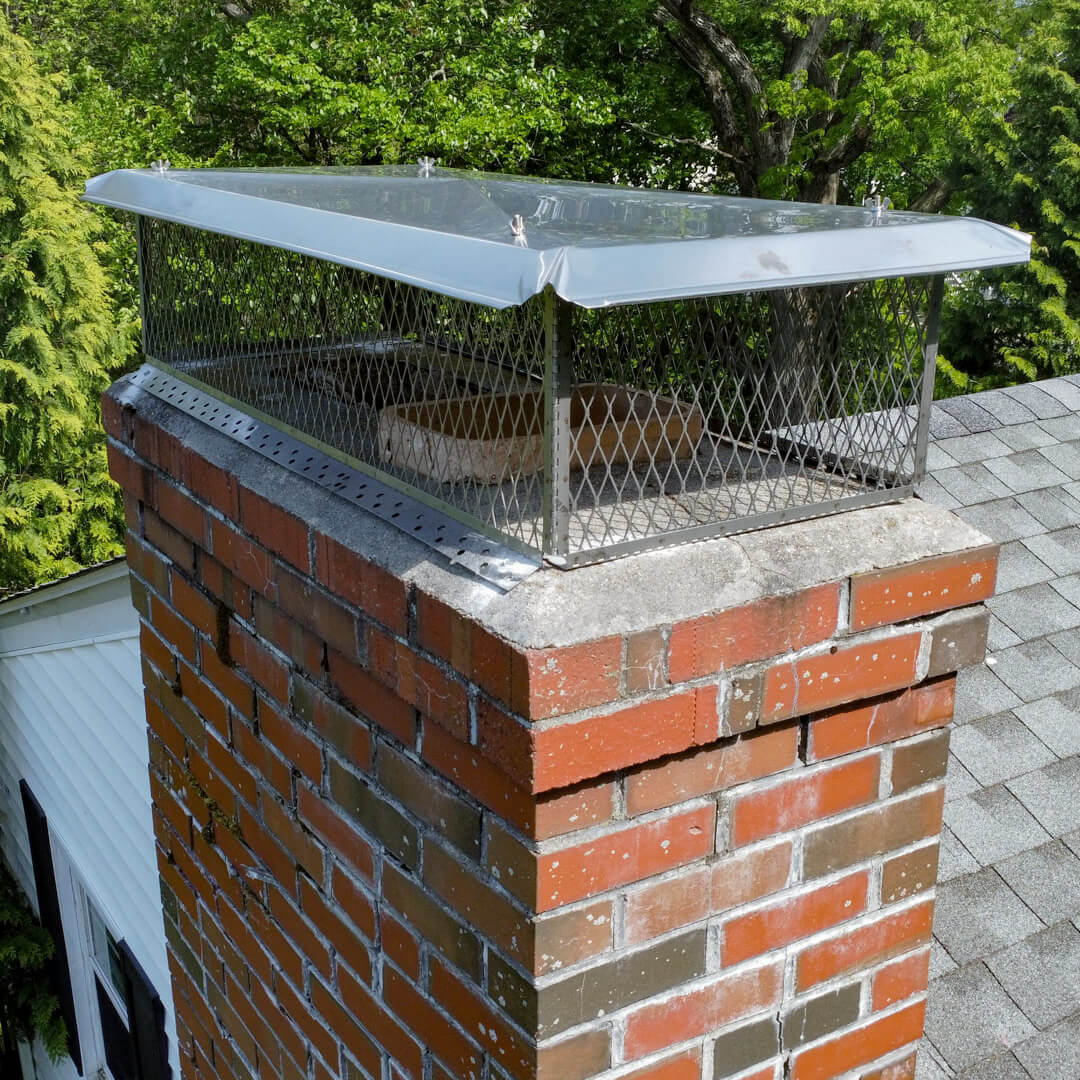
Protecting your roof line also means securing masonry openings. Custom chimney caps keep driven rain, snow, and nesting animals out of your flue, complementing your durable new metal roof.
Get Expert Guidance for Your Metal Roof and Gutter Needs
Upgrading to a metal roof is one of the smartest investments you can make for your home. Ensuring your gutter system is properly matched to your new roof guarantees decades of worry-free protection against New England’s worst storms.
Request a Free Consultation
Ready to explore premium metal roofing options and expert drainage planning for your home? Contact us today at Classic Metal Roofs to request a free consultation with our experienced roofing specialists!