

It is easy to push home maintenance down the to-do list, especially when a project feels as massive as getting a new roof. If there isn’t water actively dripping onto the kitchen table, it feels safe to assume you have time.
In New England, however, a questionable roof isn’t something that stays static for long. Our climate is tough on houses. Between heavy winter snowfall, ice dams, high winds, and severe freeze-thaw cycles, a minor flaw in your overhead protection can snowball fast.
Delaying a necessary roof replacement often turns a straightforward, planned project into an expensive emergency restoration. Understanding when waiting becomes a risk helps you stay in control of your home’s structural health and budget. Working with experienced professionals like Classic Metal Roofs lets you plan a durable, long-term defense against local weather before small issues turn into major disruptions.
What Happens If You Don’t Replace Your Roof?
When a roof reaches the end of its functional life, it loses its ability to shed water and resist environmental stress. Pushing off replacement doesn’t just leave your shingles looking tired—it actively exposes your home to cascading damage.
Over time, water finds the path of least resistance through weakened materials. What starts as a subtle moisture entry point can quickly develop into interior leaks, rotted framing, compromised insulation, and inflated repair bills. The primary danger of waiting isn’t just that the roof itself gets worse; it’s that the damage spreads deep into the structure beneath it.
Small Roofing Problems Can Become Major Damage
A few missing shingles, a slightly cracked boot around a pipe boot, or aging flashing might not seem urgent. But every rainfall, melting snow pack, and wind gust tests those small vulnerabilities.
Left unaddressed, minor gaps allow water to seep past the surface layer. Once moisture penetrates the outer barrier, it traps itself against the underlying components, accelerating decay far faster than surface wear alone would suggest.
Roof Damage Does Not Always Appear Immediately
One reason homeowners delay replacement is that severe roof damage often stays hidden for a long time. Water can travel along rafters and underlying membranes before ever showing up as a visible ceiling stain.
By the time you notice bubble paint, water spots, or a musty odor inside your living spaces, moisture may have been accumulating in your attic or wall cavities for months.
Waiting Can Limit Your Replacement Options
When you replace a roof proactively, the process usually involves stripping away the old surface material, inspecting the underlying surface, and installing the new system.
If you wait until widespread water damage occurs, a straightforward roof replacement can turn into a complex structural overhaul. Extensive decay can require tearing out and replacing large sections of plywood decking, rafters, or structural trusses before a new roof can even be installed.
What Are the Risks of Not Replacing a Roof?
Delaying necessary roof work compromises the protective shell of your entire property. The consequences stretch far beyond aesthetic wear.
Water Leaks and Interior Water Damage
The most immediate risk of an overdue roof replacement is water intrusion. Once water breaks through the barrier, it migrates down through the structure. It ruins drywall, stains ceilings, warps hardwood floors, and damages personal belongings in the attic or living areas.
Rotting Roof Decking and Structural Damage
Your roof decking (the wood sheath beneath your shingles or metal panels) acts as the foundation for your roofing system. Prolonged exposure to moisture causes wood to rot, soften, and lose its structural integrity. Severe decking rot can lead to sagging rooflines and, in extreme cases, localized structural failures under heavy snow loads.
Mold and Damp Insulation
Water seeping into an attic space quickly saturates blown-in or batt insulation. Wet insulation loses its thermal resistance, but more importantly, it creates an environment ripe for mold and mildew growth in concealed building spaces. Remediating mold in wood framing and replacing ruined insulation adds significant cost to an already delayed roofing project.
Higher Heating and Cooling Costs
An aging roof system often suffers from compromised ventilation and damaged insulation. When moisture compromises your attic insulation, your HVAC system has to work much harder to keep your living spaces comfortable. Additionally, gaps in worn roofing materials allow conditioned air to escape, leading to noticeable spikes in monthly energy bills.
Pest and Animal Intrusions
Worn-out fascia, rotted eave edges, and curled materials create open invitations for pests. Birds, squirrels, mice, and insects actively seek out weak spots in an aging roof line to nest in warm attic spaces, introducing chew damage to electrical wiring and hygiene issues into your home.
How Delaying Roof Replacement Can Increase Costs
Many homeowners postpone replacing their roof to save money in the short term. Paradoxically, waiting is almost always the most expensive path you can take.
Roof Replacement Cost vs. Emergency Repair Cost
A planned replacement allows you to budget, compare options, and complete work under manageable conditions. Emergency repairs after a massive leak or storm failure mean paying premium rates for immediate mitigation, plus the added expense of repairing internal drywall, paint, flooring, and electrical systems.
Additional Costs for Roof Decking and Structural Repairs
When a roof is replaced on time, most of the original roof deck can usually be preserved. Delaying replacement allows rot to set in, which can force you to replace dozens of sheets of expensive plywood framing before the new surface can go down.
Emergency Roofing Work and Scheduling Challenges
If your roof fails completely during a major New England winter storm, you aren’t the only one calling for help. Emergency service availability becomes tight, wait times grow, and temporary tarping solutions can be costly while you wait for a full repair crew to become available.
Why Early Roof Inspections Can Help Control Costs
Scheduling a professional roof inspection gives you an accurate snapshot of your roof’s health. Inspections take the guesswork out of the equation, letting you know whether localized maintenance can buy you time or if planning a full replacement is the smartest financial move.
When Should You Replace Your Roof?
Knowing when to transition from quick repairs to a full system replacement depends on a few clear factors: age, ongoing performance, and physical condition.
How Often Should You Replace Your Roof?
There is no universal expiration date for a roof. Lifespans vary drastically depending on the materials used, installation quality, attic ventilation, and exposure to local environmental stressors.
Roof Age and Expected Service Life
Asphalt Shingles: Traditional asphalt shingle roofs generally last between 15 and 25 years, depending on quality and weather exposure.
Metal Roofing: Premium metal roofing systems can last 50 years or more with minimal maintenance, offering exceptional resistance to wind, snow, and ice.
Other Materials: Slate and tile can last several decades but require heavy structural support and specialized maintenance.
When Repairs May Be Enough
If your roof is relatively young, has been well-maintained, and has suffered minor, localized damage—such as a few shingles blown off in a single storm—a targeted repair is often completely sufficient.
When Full Roof Replacement May Be Necessary
When damage is widespread, leaks recur in multiple areas, or the roofing material itself is actively disintegrating, patching is only a temporary band-aid. Full replacement becomes necessary when the system can no longer reliably protect the home.
Signs You May Be Waiting Too Long to Replace Your Roof
You don’t need to climb onto your roof to spot warning signs. Keep an eye out for these clear indicators:
Frequent Leaks or Water Stains
If you are calling for repairs every time a heavy rain hits, or if you notice expanding yellow or brown stains on your upper-floor ceilings, your roof’s protective layers have reached their limit.
Missing, Cracked, or Curling Roofing Materials
From the ground, check your roof lines. Shingles that are curling at the edges, cracking, or missing entirely leave the underlayment vulnerable to immediate weather exposure.
Granules in Gutters
As asphalt shingles age, their protective mineral granules wash off. If your gutters are filled with heavy, dark sediment that looks like coarse sand, your shingles are losing their primary defense against UV light and weather.
Sagging Roof Sections
A drooping or sagging roof line is a red flag. It indicates advanced structural weakness, usually caused by long-term moisture damage to the underlying decking or support beams. This requires prompt professional attention.
Daylight or Moisture in the Attic
Step into your attic on a bright day with the lights off. If you see streams of daylight poking through the roof boards, water can easily get through those same gaps. Similarly, check for damp insulation, water-stained rafters, or a persistent musty smell.
How New England Weather Affects an Aging Roof
New England presents a particularly demanding environment for residential roofing. Our sharp seasonal shifts expose weak points rapidly.
Heavy Snow and Ice Loads
Accumulated snow packs add tremendous weight to a roof structure. An aging, moisture-weakened frame under the stress of hundreds of pounds of snow is at a much higher risk of structural failure.
Ice Dams and Repeated Moisture Exposure
Ice dams form when heat escaping an inadequately insulated attic melts snow on the upper roof, causing water to trickle down and freeze at the colder eaves. This trapped ice creates a reservoir of standing water that backs up right under traditional shingles, forcing its way into the home.
Wind, Rain, and Coastal Weather
Nor’easters and coastal storms bring driving rain and high winds that can easily peel back old, brittle shingles, breaking their seals and exposing raw decking to heavy precipitation.
Freeze-Thaw Cycles and Roof Deterioration
During spring and late fall, temperatures frequently fluctuate above and below freezing within a single 24-hour period. Water trapped in small roof cracks expands as it freezes, widening gaps and accelerating material deterioration.
How Delaying Roof Replacement Can Affect Your Home’s Value
Your roof is one of the most prominent exterior features of your house and a key indicator of overall home maintenance for buyers and appraisers.
Reduced Curb Appeal
A visibly deteriorating roof—complete with patchy repairs, stained shingles, or moss growth—negatively impacts the overall aesthetic of your home, making it look neglected.
Home Inspection and Resale Concerns
If you plan to sell your home, an aging or damaged roof will quickly pop up on a buyer’s home inspection report. This often leads to demands for steep price reductions, requests for large escrow credits, or even buyers walking away entirely.
Potential Insurance Complications
Homeowners insurance policies are designed to cover sudden storm damage, not neglect. Insurance carriers frequently inspect properties, and an excessively old or unmaintained roof can lead to dropped coverage or denied claims if a failure occurs due to age rather than a storm. Always review policy terms directly with your insurer.
Can You Delay Roof Replacement Safely?
Sometimes a full replacement isn’t feasible the exact moment you’d like it to be.
When Temporary Repairs May Help
If structural integrity is still sound, a roofing professional can perform temporary patch repairs to secure active leaks and buy you time to plan and budget for a comprehensive system replacement.
Why Temporary Repairs Are Not Always a Long-Term Solution
Patching fixes symptoms, not the root cause. Continuing to pour money into temporary repairs on a failing roof is financially inefficient and leaves your home continuously exposed to the next major storm.
What to Do If You Cannot Replace Your Roof Immediately
Get a Professional Inspection: Understand exactly how much life your roof has left.
Mitigate Active Leaks: Seal active water entries immediately to protect framing and interior spaces.
Document Condition: Keep track of damage and repair history.
Establish a Budget: Plan a timeline and explore financing options for a full replacement.
Roof Replacement Options for New England Homes
When it’s time for a new roof, selecting the right material for our local climate makes all the difference in long-term performance.
Choosing a Roofing Material for Your Home
Homeowners must balance upfront installation costs against expected service life, maintenance needs, and climate resilience. While asphalt shingles are common, their susceptibility to wind, hail, and ice dams leads many homeowners to look for longer-lasting alternatives.
Why Consider Metal Roofing?
Metal roofing has become a top choice for New England properties due to its extreme longevity and weather resistance. Premium metal systems shed snow effortlessly, eliminate the risk of ice dam damage, resist high winds, and offer sleek, modern architectural styling without requiring frequent maintenance.
Planning a Roof Replacement Before Emergency Damage
Planning your project ahead of time gives you the freedom to research material options, review contractor credentials, schedule the build during ideal weather windows, and avoid rushed decision-making under stress.
How to Prepare for A Roof Replacement
Moving forward with a roof replacement is straightforward when you take a structured approach.
Schedule a Professional Roof Inspection
Start by having a qualified contractor evaluate your roof. They will assess the condition of the surface materials, underlying decking, ventilation, and flashing systems to give you a clear scope of work.
Request Detailed Roof Replacement Estimates
Obtain clear, itemized quotes. Ensure your estimates cover tear-off fees, material specifications, decking replacement allowances, ventilation upgrades, flashing details, and warranty terms.
Plan for Additional Roofing Components
A complete roofing system involves more than just top panels or shingles. Make sure your project accounts for proper attic intake and exhaust ventilation, step flashing around chimneys, high-capacity gutter systems, and snow retention details.
Choose a Roofing Contractor With Relevant Experience
Select a licensed, insured contractor who specializes in the specific material you choose and understands the structural demands of local New England building codes.
Why Choose Classic Metal Roofs for Roof Replacement?
When you decide it’s time to upgrade your home’s defense, partner with a team that specializes in built-to-last solutions.
Metal Roofing Expertise for New England Homes
Classic Metal Roofs brings decades of specialized experience installing high-performance metal roofing systems tailored specifically for New England homes. Our materials are selected to handle heavy snow, driving rain, and intense freeze-thaw cycles effortlessly.
Roof Replacement for Long-Term Planning
We focus on permanent solutions. By replacing your aging roof with a custom metal roof, you eliminate the repetitive cycle of shingle repair and replacement, investing in a system designed to protect your home for a lifetime.
Snow Guards and Custom Roofing Details
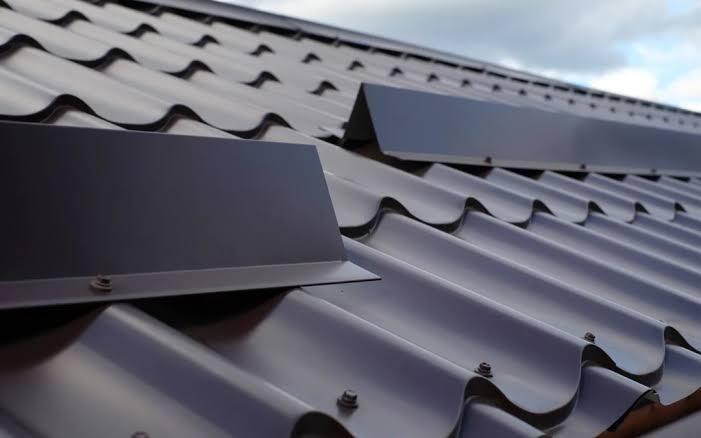
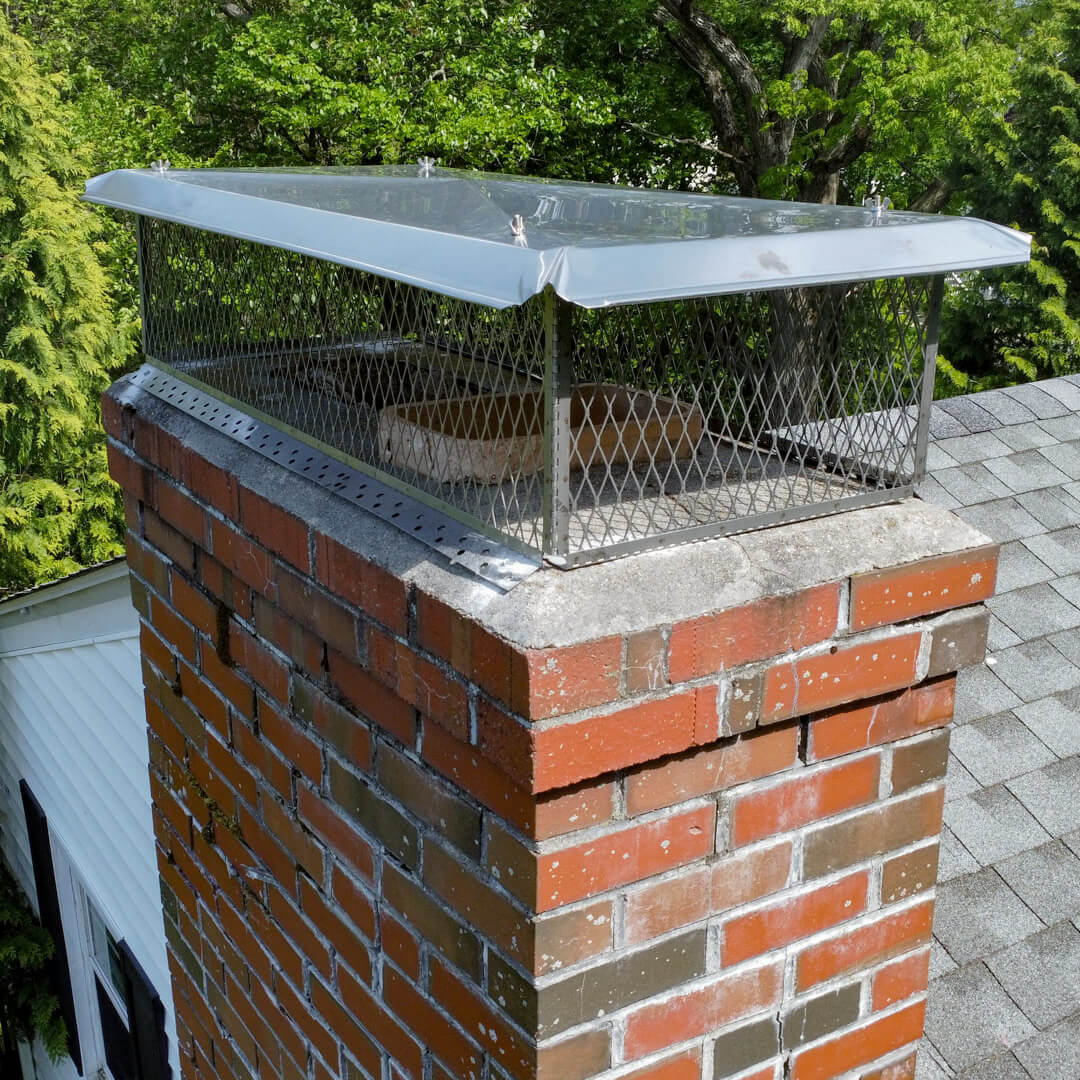
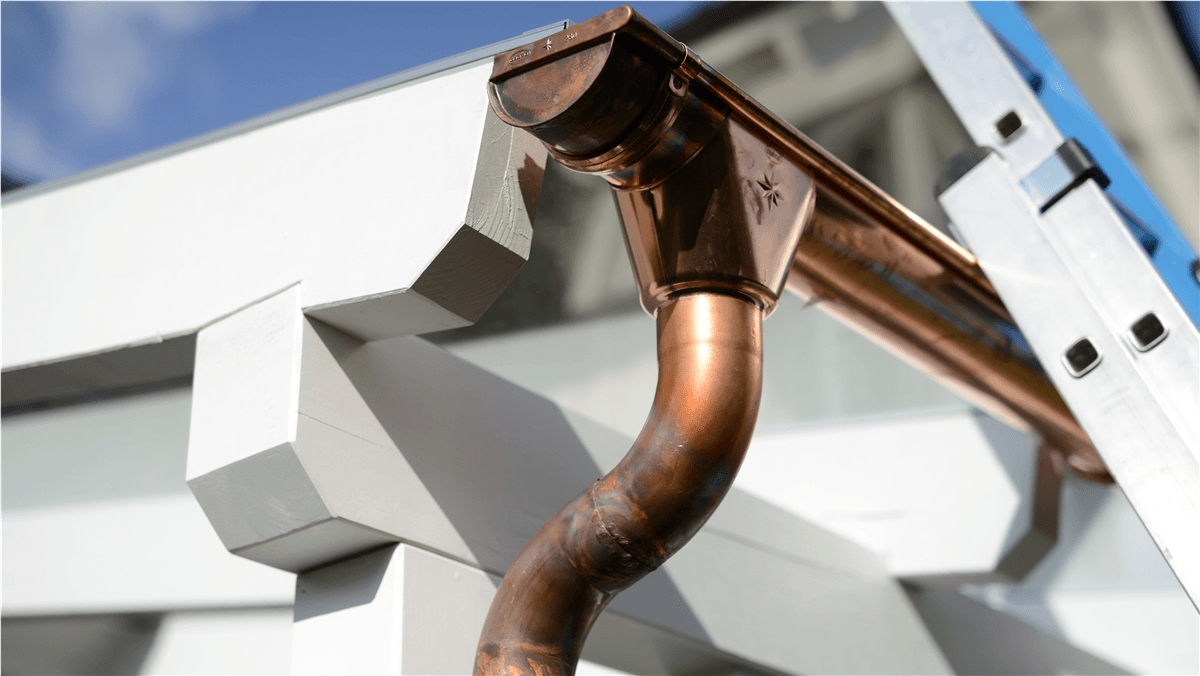
We provide complete roofing packages tailored to your property, including custom-engineered metal roof snow guards, specialized copper and aluminum gutters, custom chimney caps, and high-performance flashing integrations.
Request a Metal Roof Replacement Consultation
Ready to stop worrying about what the next storm will do to your ceiling? Reach out to our team to discuss your roof’s condition, explore custom material and color options, and receive a comprehensive proposal.
Frequently Asked Questions About Delaying Roof Replacement
What Happens If You Don’t Replace Your Roof?
Neglecting an aging roof leads to moisture intrusion, rotted roof decking, damaged interior walls, ruined insulation, mold growth, pest entries, and significantly higher eventual repair costs.
What Are the Risks of Not Replacing a Roof?
The primary risks include hidden structural damage to your home’s wood framing, increased energy bills due to damp insulation, decreased home resale value, and potential insurance complications.
How Often Should You Replace Your Roof?
It depends on the material. Asphalt shingle roofs generally need replacement every 15 to 25 years. Quality metal roofs easily last 50 years or longer with minimal maintenance.
When Should You Replace Your Roof?
Replace your roof if you experience recurring leaks, widespread material wear (such as curled or missing shingles), sagging roof decking, or if the roof has simply exceeded its design lifespan.
Is It Cheaper to Repair or Replace a Roof?
Repairing is cheaper for localized damage on a relatively new roof. However, if the roof is old or deteriorated, continuous patching becomes more expensive over time than a single, planned replacement.
Can You Wait a Few Years to Replace Your Roof?
If an inspection confirms the roof structure is sound and there are no active leaks, you may be able to wait. If moisture is actively entering the structure, delaying even a few months can result in exponential damage.
Does Roof Replacement Prevent Future Leaks?
A professionally installed roof system with quality flashing, proper underlayment, and adequate ventilation eliminates existing vulnerabilities and prevents future leaks for the lifecycle of the system.
Is Metal Roofing a Good Option for New England Homes?
Yes. Metal roofing excels in New England because it sheds snow cleanly, resists ice dams, withstands hurricane-force winds, and handles freeze-thaw cycles far better than conventional shingle roofs.
Get Expert Guidance Before Your Roof Problems Get Worse
Don’t wait for a major ceiling stain or an emergency storm event to force your hand. Taking a proactive approach to your home’s roof replacement saves money, preserves structural integrity, and gives you complete peace of mind through every season.
Request a Roof Replacement Consultation
Contact the local experts at Classic Metal Roofs today through our contact us page to learn more about our high-performance metal roofing solutions, explore our specialized services, and schedule a consultation for your home.