

There is an undeniable charm to a wood shake roof. Nestled along coastal lines or tucked away in wooded valleys across New England, natural cedar shakes give a home a warm, handcrafted character that matures gracefully into a weathered silver-gray. But living in our region means exposing that natural timber to relentless seasons—heavy snowpacks, freezing rain, coastal fog, and humid summers. Over time, maintaining that rustic charm can feel like a full-time job.
That’s where modern metal shake shingles come into play. Designed to mirror the rugged texture and deep shadow lines of authentic wood, metal roof shake shingles offer a practical solution: the classic New England aesthetic paired with engineered durability. If you are weighing options for your upcoming roof replacement, understanding how these two materials compare in long-term value, upkeep, and weather resistance can help you make the best decision for your home.
What Are Metal Shake Shingles?
Metal shake shingles are engineered roofing panels crafted to simulate the dimensional depth, natural grain, and heavy shadow lines of traditional hand-split cedar shakes. Instead of laying down individual wooden tiles, homeowners get an interlocking metal system designed for maximum weather tightness.
They bridge the gap for property owners who love historical or country-style architecture but want to step away from the endless maintenance cycles that come with natural organic materials.
How Metal Roofing Replicates the Look of Natural Wood
Achieving metal roofing that looks like shake shingles involves precise manufacturing processes:
- Stamped Profiles: Heavy-gauge metal is pressed with intricate molds taken directly from hand-cut wood shakes, reproducing deep grooves and realistic wood-grain textures.
- Multi-Tone Finishes: High-performance paint systems (like Kynar 500®/PVDF) apply varied colors and subtle shade shifts to imitate natural wood tones and realistic weathering.
- Dimensional Layering: Panel designs incorporate staggered edges and distinct thickness variations to create authentic shadow lines on your roofline.
Common Materials Used in Metal Shake Roofing
Most metal shake shingles are manufactured using steel or aluminum, each offering distinct advantages:
- Aluminum: Exceptionally lightweight and naturally immune to rust. It is the premier choice for coastal New England homes exposed to constant salt air and high moisture.
- Steel (Galvalume® or Galvanized): Highly durable and impact-resistant. Steel requires robust protective coatings to guard against corrosion, making it a strong contender for inland properties.
What Are Traditional Wood Shake Shingles?
Traditional wood shakes are crafted by splitting logs—typically western red cedar—along their natural grain. Unlike smooth, sawed wood shingles, shakes retain a rough, textured face on top and a sawed back, producing an authentic, rustic architectural finish that has graced American homes for centuries.
Cedar Shakes vs. Other Wood Roofing Materials
While species like redwood or cypress are occasionally used, Western Red Cedar is the gold standard for wood shake roofing due to its natural oils, which provide mild resistance to rot and insects. Grades vary from hand-split heavy shakes to tapersawn options, with wood quality, straightness of grain, and thickness directly dictating how long the roof lasts before splitting or curling begins.
Why Homeowners Love the Natural Wood Shake Appearance
It is hard to match the genuine look of real wood. Homeowners are drawn to cedar shakes for their:
- Unpredictable, organic texture where no two shakes look identical.
- Evolution of color over time, changing from warm reddish-browns to a classic silver-gray patina.
- Historical accuracy on Cape Cod, cottage, colonial, and rustic craftsman architectural styles.
Metal Shake Shingles vs. Traditional Wood Shakes: Key Differences
To see how these materials measure up head-to-head, consider this quick comparison overview:
| Feature | Metal Shake Shingles | Traditional Wood Shakes |
|---|---|---|
| Expected Lifespan | 40 to 70+ years | 15 to 30 years (climate dependent) |
| Maintenance | Minimal (occasional rinsing/inspection) | High (regular treatments, cleaning, repair) |
| Fire Resistance | Class A (Non-combustible material) | Class C or untreated (Requires chemical treatments) |
| Moisture / Rot Resistance | Impervious to rot, moss, and algae | Vulnerable to rot, moss growth, and decay |
| Weight | Very lightweight (~1 lb per sq. ft.) | Heavy (up to 3–5 lbs per sq. ft. when wet) |
| Recyclability | 100% recyclable at end of life | Biodegradable (if untreated with heavy chemicals) |
Appearance and Design Options
While natural wood ages unpredictably—sometimes resulting in uneven dark spots, moss buildup, or warped tiles—metal shake shingles maintain their planned aesthetic for decades. Modern color options range from realistic natural wood hues to slate grays and deep greens, giving you flexibility without the risk of unsightly deterioration.
Durability and Expected Lifespan
Wood shakes naturally degrade due to thermal expansion, UV rays, moisture absorption, and insect activity. Metal shake systems bypass these biological failure points entirely. Metal won’t split, curl, dry out, or rot. Backed by extensive manufacturer warranties, quality metal systems are designed to be a permanent roofing solution.
Maintenance Requirements
Natural cedar requires ongoing vigilance: power washing moss, applying fire retardants and sealers every few years, and swapping out cracked shakes after high winds. Metal shake shingles need almost no upkeep—usually just an occasional rinse with a hose to clear debris and routine checks of flashing areas.
Fire Resistance and Moisture Protection
In dry spells, wood shakes present an inherent fire risk unless treated with flame retardants. Metal shake shingles are noncombustible, offering superior protection against flying embers during forest fires or neighborhood accidents. Additionally, because metal is non-porous, moisture cannot penetrate the material to cause internal decay or freeze-thaw cracking.
Weight and Structural Considerations
When wood shakes absorb rain or heavy snow, their weight increases significantly, putting stress on your rafters. Aluminum and steel metal shake shingles are remarkably light. This reduced structural load makes metal an ideal choice during a roof replacement, eliminating structural sag issues over time.
Environmental Impact and Sustainability
Wood is a renewable natural resource, but replacing wood roofs every two decades consumes lumber and labor. Metal roofing systems often contain 25% to 95% recycled content and are 100% recyclable at the end of their long lifespan, keeping tons of old roofing material out of local landfills.
How Do Metal Shake Shingles Perform in New England Weather?
New England presents some of the toughest weather challenges in the nation. From bitter nor’easters to humid coastal summers, your roof takes a beating. Here is how metal shake roofing holds up against regional climate stressors.
Handling Heavy Snow and Winter Weather
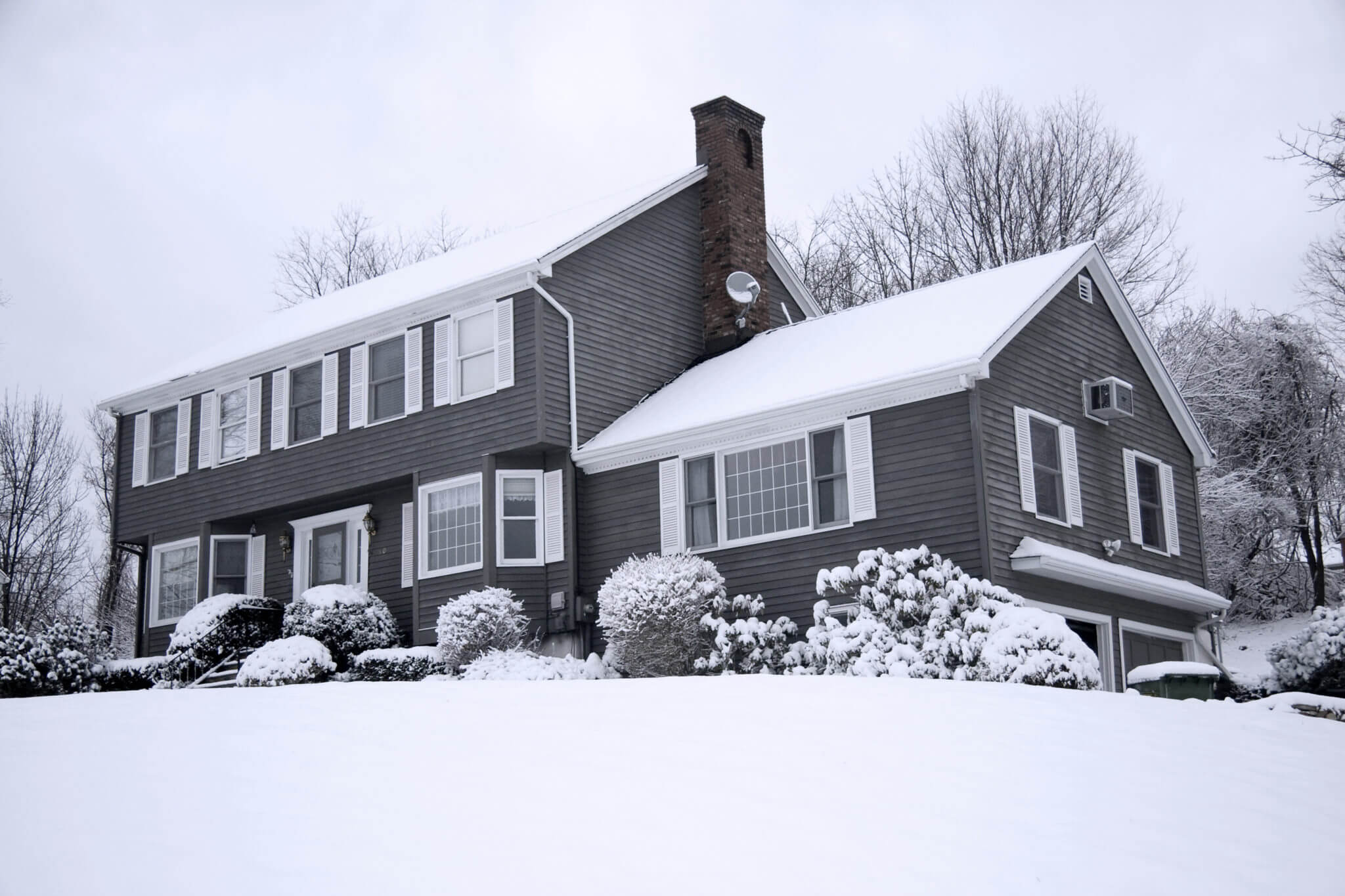
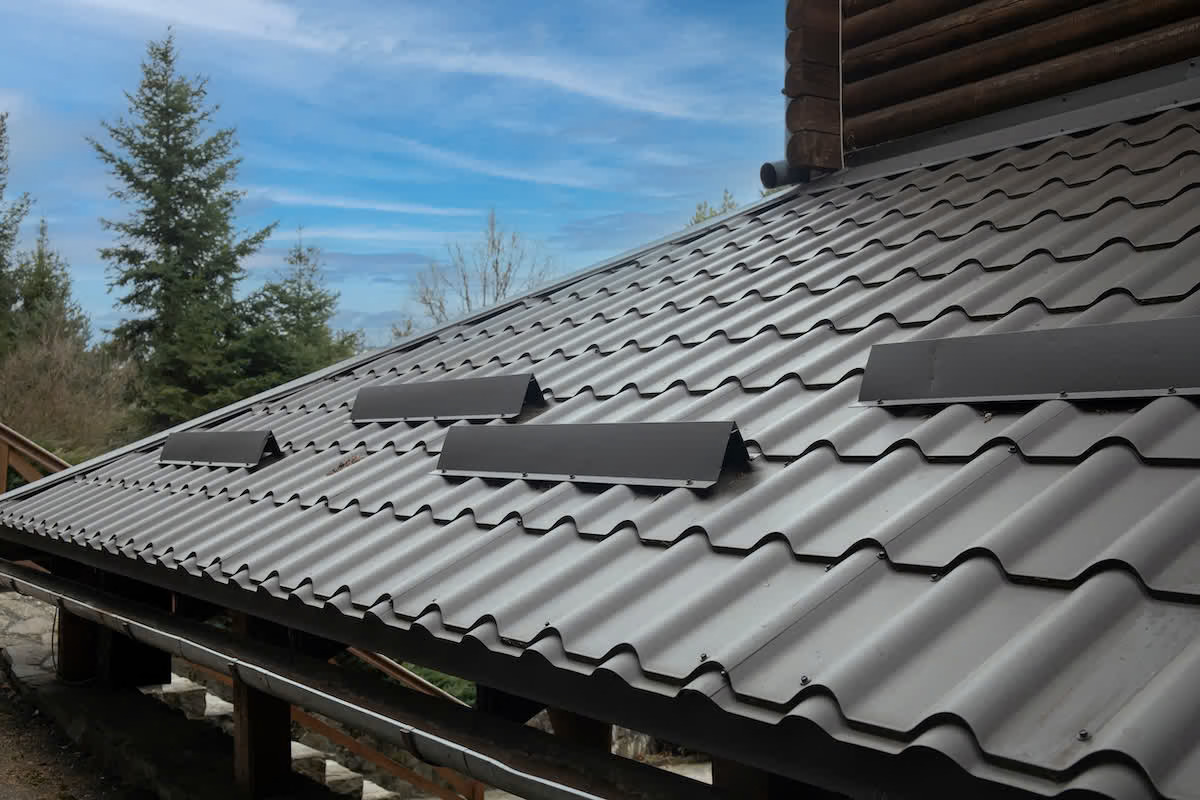
Metal roofs shed snow quickly, preventing heavy snow loads from stressing your home’s framing. Because snow slides off smooth metal far easier than rough wood shakes, installing snow guards above entryways, walkways, and gutters is essential to control shedding and protect your property below.
Resisting Rain, Moisture, and Freeze-Thaw Conditions
Winter temperatures in New England fluctuate rapidly around the freezing mark. Moisture trapped inside porous wood shakes freezes, expands, and splits the timber. Metal shake shingles do not absorb water, making them immune to damage from constant freeze-thaw cycles.
Coastal Conditions and Salt Air Exposure
If your home sits along the coast in Massachusetts, Connecticut, Rhode Island, Maine, or New Hampshire, salt spray is a major factor. While salt air accelerates wood rot and rusts basic iron, marine-grade aluminum metal shake shingles resist salt corrosion completely, preserving your roofline against ocean winds.
Protecting Homes Against Strong Winds and Storms
Wood shakes can catch wind edges, lifting or snapping off during severe storms. Engineered metal shake systems utilize concealed interlocking panels that lock tightly on all four sides, offering exceptional wind resistance capable of withstanding hurricane-force gusts.
How Much Do Metal Shake Shingles Cost Compared to Wood Shakes?
When evaluating metal shake shingles cost, it is helpful to look beyond the initial installation quote and evaluate the total cost of ownership over time.
Factors That Affect Metal Shake Shingles Cost
Several variables influence the final price of a metal roof installation:
- Choice of Metal: Aluminum generally costs more than steel due to its complete rust protection.
- Roof Complexity: Steep pitches, dormers, chimneys, and complex valleys require more detail work and labor.
- Underlayment & Trim: High-grade synthetic underlayments and custom perimeter flashings add to initial material costs.
Long-Term Costs of Metal vs. Wood Shake Roofing
Traditional cedar shakes may sometimes carry a comparable or slightly lower initial material cost depending on grade, but their long-term expenses quickly add up. Factor in sealants, chemical sprays, power washing, storm repairs, and complete replacement every 20 years.
Metal shake roofing is a single upfront investment. Over a 40-to-50-year period, a metal roof often costs significantly less than maintaining and eventually replacing a cedar shake roof.
Is Investing in Metal Shake Roofing Worth It?
If you plan to stay in your home for years to come—or want to boost its resale value and curb appeal—metal shake roofing provides incredible return on investment. You eliminate routine maintenance hassles, enjoy lower utility bills thanks to reflective cool-roof coatings, and gain peace of mind during extreme weather.
What to Expect When Replacing a Wood Shake Roof With Metal Shake Shingles
Switching from cedar to metal involves a systematic installation process carried out by professional installers.
Inspecting the Existing Roof and Decking
Before laying any panels, a qualified roofing contractor will inspect your attic, rafters, and existing roof decking. They check for old water damage, ensure proper attic ventilation, and confirm structural soundness.
Removing Old Wood Shakes and Preparing the Roof
While overlaying new metal over old shakes is technically possible under rare conditions, a complete tear-off is almost always recommended. Removing old wood shakes lets installers repair damaged plywood decking and lay down a smooth, waterproof self-adhered underlayment layer.
Installing Metal Shake Roofing and Essential Components
The installation moves forward with precision fitting:
- Installing starter strips, drip edges, and valley flashings.
- Laying interlocking metal shake panels from the eaves upward using concealed fasteners.
- Fitting custom ridge caps, pipe boots, and sidewall flashings to guarantee a watertight seal.
How to Choose the Right Roofing Contractor for Metal Shake Installation
Metal roofing requires specialized techniques that differ completely from standard asphalt or wood installations. Partnering with the right specialist is critical.
Check Metal Roofing Experience and Previous Projects
Look for a contractor who specializes specifically in residential metal roofing. Ask to see a local portfolio of completed metal shake projects and verify their standing with manufacturer certification programs.
Understand Material Specifications and Warranties
Ensure your contractor uses high-grade metals (such as heavy-gauge aluminum) finished with proven PVDF coatings. Review both the manufacturer’s material warranty and the contractor’s workmanship guarantee.
Get a Detailed Roof Replacement Estimate
A professional estimate should outline all project details clearly—including tear-off, disposal fees, decking repairs, underlayment types, trim packages, and safety measures—so there are no surprise costs mid-project.
Is Metal Shake Roofing the Right Choice for Your Home?
Choosing between these two classic roofing options ultimately comes down to your personal priorities as a homeowner.
When Metal Shake Shingles Make More Sense
Metal shake roofing is likely your best option if you want:
- The rustic beauty of wood without the demanding maintenance schedule.
- Maximum defense against fire, snow, rot, and high coastal winds.
- A permanent roof replacement solution that lasts a lifetime.
When Traditional Wood Shakes May Be Preferable
Natural cedar shakes may still be the right fit if you own a historic home with strict restoration guidelines requiring 100% authentic natural wood, or if you plan to move within a few years and prefer a lower immediate upfront cost.
Why Professional Guidance Matters Before Making a Decision
Every roof structure and microclimate in New England is unique. Having an experienced professional evaluate your property ensures you select a roofing system tailored to your budget, architectural style, and local exposure.
Frequently Asked Questions About Metal Shake Shingles
Do Metal Shake Shingles Look Like Real Wood?
Yes. High-quality metal shake shingles feature deep-stamped wood grain textures, realistic split edges, and multi-tone matte finishes that convincing replicate authentic cedar shakes from the street.
How Long Do Metal Shake Shingles Last?
A professionally installed metal shake roof typically lasts 40 to 70 years or more—more than double to triple the lifespan of traditional wood shake roofs.
Are Metal Shake Shingles Better Than Cedar Shakes?
For most modern homeowners, yes. Metal shake shingles offer far superior fire resistance, complete rot immunity, lower lifecycle costs, and significantly less maintenance, all while keeping the classic wood look.
Are Metal Shake Shingles More Expensive Than Wood Shakes?
Initial material and installation costs for metal shake shingles can be higher than mid-grade wood shakes. However, because metal avoids continuous maintenance costs and replacement fees down the road, it is generally far more cost-effective over time.
Can Metal Shake Roofing Withstand Heavy New England Snow?
Absolutely. Metal roofs shed snow effortlessly and prevent ice dam formation when combined with proper insulation and ventilation. Snow management accessories like snow guards can be installed to protect entryways.
Do Metal Shake Shingles Require Regular Maintenance?
No. Unlike wood shakes that require regular washing, staining, and chemical treatments, metal shake roofing simply needs routine visual checks and occasional rinsing to remove dirt or fallen leaves.
Can You Install Metal Roofing Over Existing Wood Shakes?
While building codes sometimes permit overlays, tearing off old wood shakes is almost always recommended to inspect the underlying deck for rot, ensure flat panel placement, and apply proper waterproof underlayments.
Are Metal Shake Shingles Suitable for Coastal Homes?
Yes, particularly aluminum metal shake shingles. Aluminum naturally resists salt air corrosion, making it the premier material choice for oceanfront and coastal New England properties.
Upgrade Your Roof With Classic Metal Roofs
If you love the timeless appeal of wood shakes but want a roof built to handle the harshest New England weather, metal shake shingles deliver the best of both worlds.
At Classic Metal Roofs, we specialize in installing premium, lifetime metal roofing systems engineered specifically for regional homes. Explore our full range of residential roofing services or contact us today to schedule your consultation and discover the ideal roof for your home.