

If you’ve ever stood near a house with a metal roof during a New England thaw, you know the sound. It starts with a deep, creaking groan, followed by a sudden, deafening thud as hundreds of pounds of packed snow and ice slide off the panels all at once. It’s an avalanche right in your driveway.
Metal roofing is unmatched when it comes to longevity, energy efficiency, and shedding winter weather. However, that smooth, non-porous surface that makes metal roofs so good at shedding rain also makes them exceptionally slick when snow builds up. For homeowners in Massachusetts, Connecticut, Rhode Island, New Hampshire, Maine, and Vermont, heavy snowfall is just part of life. Managing how that snow leaves your roof is essential to keeping your property and family safe.
That’s where snow guards come in. These simple, highly effective devices act as a braking system for your roof, helping you manage winter weather without the hazards of sudden snow slides.
Why Do Metal Roofs Need Snow Guards?
Metal roofs are designed to shed precipitation quickly. While this prevents water pooling and structural weight overload, it creates a unique challenge during heavy winter storms. As heat rises from your home, it warms the underside of the metal panels. This melts the bottom layer of accumulated snow, creating a micro-thin layer of water between the roof and the snow pack.
Without friction to hold it back, an entire roof’s worth of heavy, compacted snow can release in a split second. This sudden discharge—often called “roof shedding”—poses significant safety risks and can cause severe damage to anything sitting beneath the eaves.
The Risks of Snow and Ice Sliding Off Metal Roofs
When a snow slide occurs, it doesn’t just bring soft, fluffy powder down. It carries dense, heavy snow and razor-sharp chunks of ice. The impact of falling snow sheets can:
- Tear off gutters and downspouts: As snow slides forward, its immense weight can shear standard seamless gutters clean off the fascia board.
- Crush landscaping and shrubbery: Expensive foundation plantings, ornamental trees, and flower beds don’t stand a chance under falling snow banks.
- Damage vehicles and outdoor structures: Cars parked near the eaves, outdoor AC units, porch railings, decks, and outdoor furniture can easily be dented or destroyed.
- Pose severe danger to people and pets: Falling ice and packed snow from a second-story roof can cause serious injury to anyone walking below.
How Heavy New England Snowfall Increases the Risk
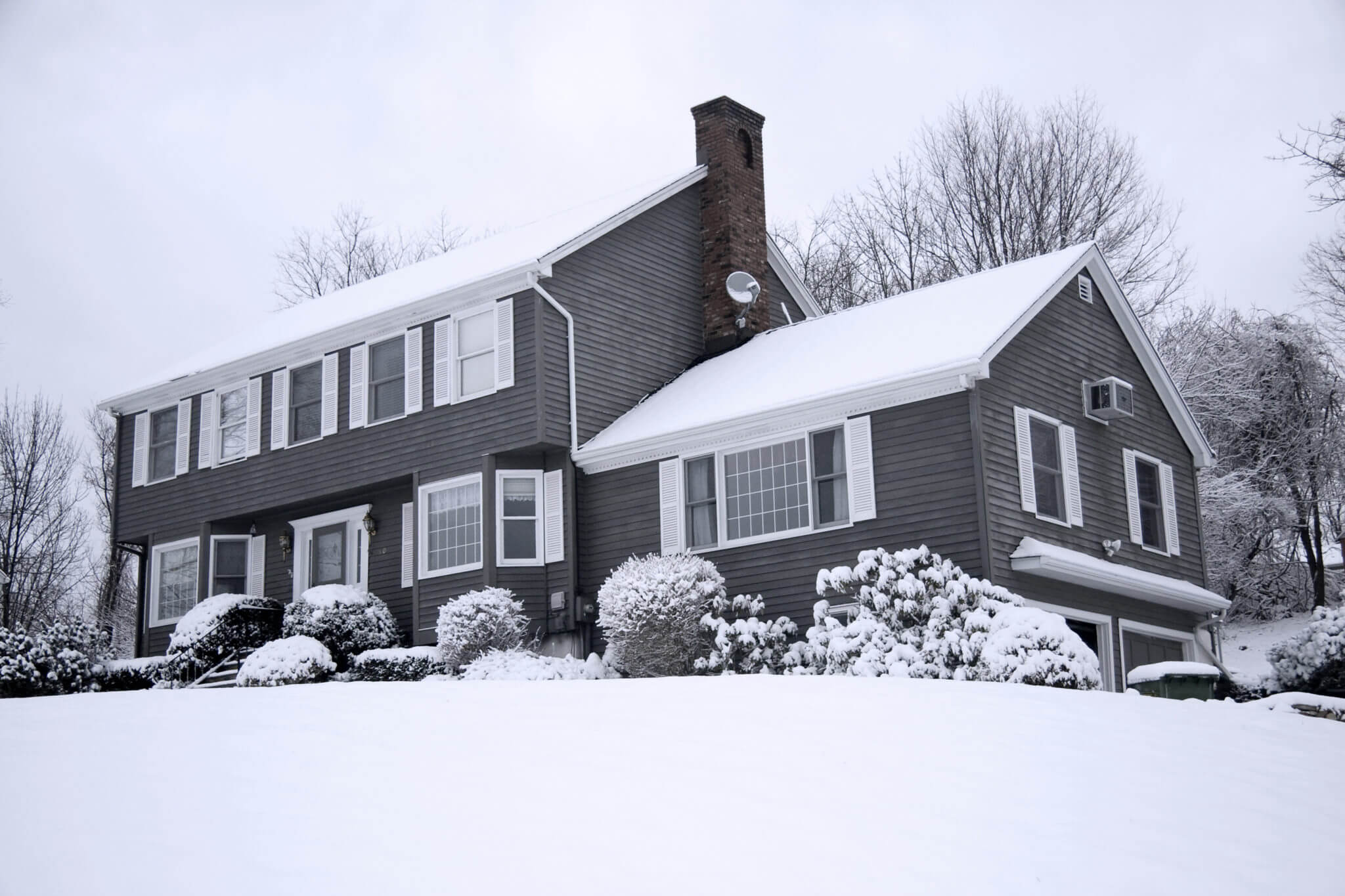
New England winters are notorious for unpredictable temperature swings. A storm might dump 18 inches of heavy, wet snow on Monday, followed by a freeze on Tuesday, and a rapid warm-up on Wednesday.
These rapid freeze-thaw cycles create dense ice layers within the snowpack. When that thick block of ice loses its grip on a smooth metal surface, the resulting slide acts like a heavy blanket dropping all at once. Homeowners across the region need targeted strategies to hold this weight in place until it can melt off safely.
How Do Snow Guards for Metal Roofs Work?
Snow guards (also known as snow stops or snow retention systems) don’t stop winter weather from landing on your roof. Instead, they disrupt the continuous sheet of snow, anchoring the mass to the panels.
How Snow Guards Control Snow and Ice Movement
Think of snow guards like cleats on an athletic shoe. By breaking up the continuous, slick plane of the roof, the guards hold the snowpack in place. This forces the snow and ice to melt gradually into your gutter system or drop off in small, harmless fragments rather than one massive, destructive sheet.
Do Snow Guards Stop Snow From Sliding Completely?
No snow retention system prevents snow from ever leaving your roof—and you wouldn’t want it to. The goal is controlled release. A properly designed system allows snow to melt away via sun exposure and rising ambient temperatures, shedding small amounts naturally over time without posing a threat to the ground below.
Types of Snow Guards for Metal Roofs
Not all metal roofs are built the same, which means snow retention systems come in a few distinct designs to match different panel profiles and architectural styles.
Individual Pad-Style Snow Guards
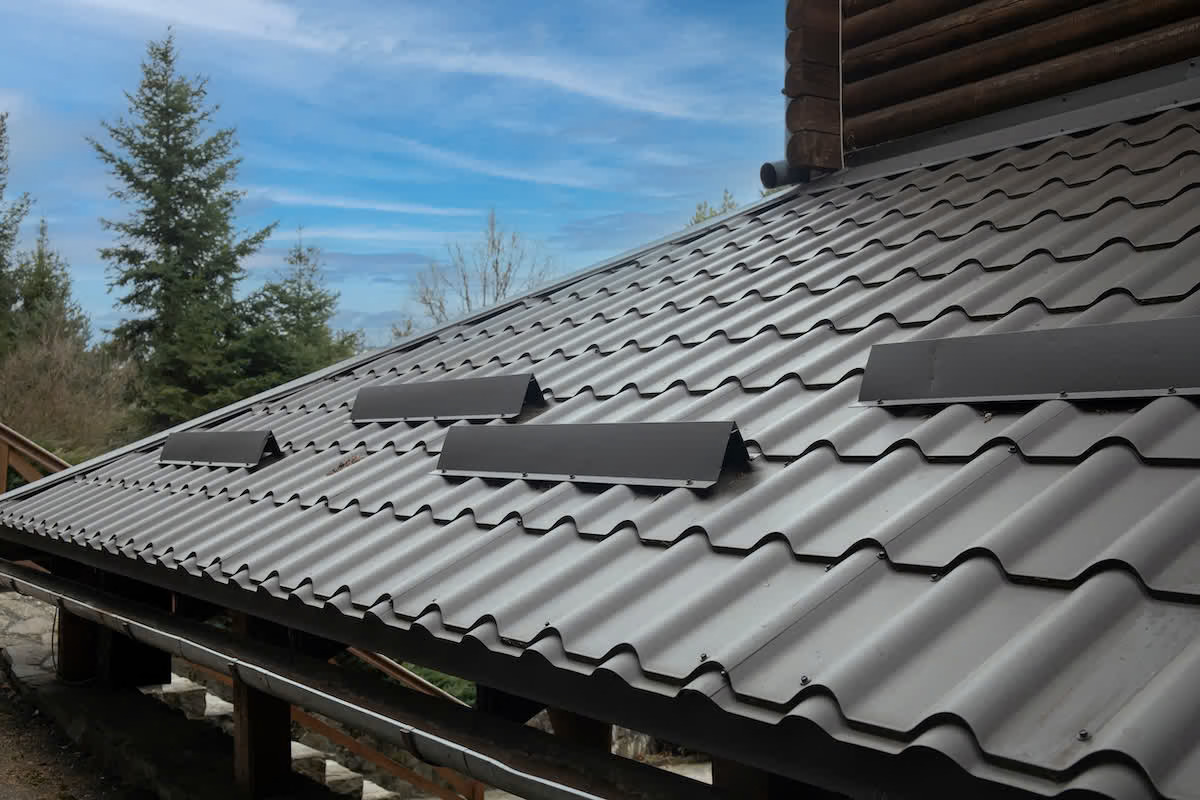
Pad-style guards (sometimes called shoe-style guards) are small, discrete brackets placed in staggered rows across the roof surface. They work by creating multiple friction points throughout the snow field, preventing the bottom layers from slipping. They offer a low-profile look and are often color-matched to the metal roof panels.
Snow Rails and Bar-Style Systems
Snow rails consist of continuous horizontal bars mounted near the eave lines. These systems offer heavy-duty holding power, making them ideal for steep pitches, long roof runs, and areas with severe snow loads. Because they create a solid barrier, bar systems are exceptionally effective at stopping dense sheets of ice from sliding forward.
Clamp-On Snow Guards for Standing Seam Metal Roofs
If you have a standing seam metal roof, maintaining panel integrity is priority number one. Clamp-on snow guards attach directly to the raised vertical seams using non-penetrating mechanical clamps. This holds the retention system firmly in place without drilling a single hole through the metal panels, preserving your roof’s weather-tight seal and manufacturer warranty.
Adhesive and Mechanically Attached Snow Guards
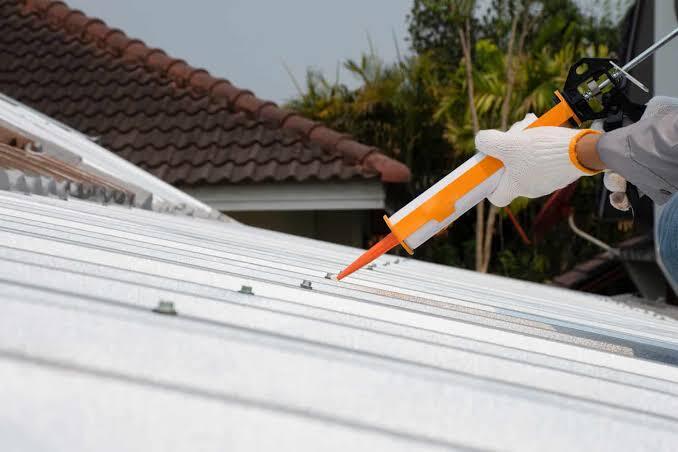
For exposed-fastener metal roofs (like corrugated or screw-down panels), snow guards can be attached using high-strength adhesives or mechanical screws with weather-sealing gaskets.
Adhesive-mounted guards avoid roof penetrations, but their bond strength can degrade over time due to extreme temperature fluctuations.
Mechanically fastened guards provide unmatched structural holding power for heavy snow loads, provided they are installed using properly sealed, corrosion-resistant fasteners.
What Are the Best Snow Guards for Metal Roofs?
There is no single “best” snow guard for every home. The right choice depends entirely on your specific roof architecture, weather exposure, and panel layout.
Choosing Snow Guards Based on Your Metal Roof Type
- Standing Seam Roofs: Non-penetrating clamp-on rail or pad systems are the gold standard here. They preserve the floating nature of standing seam panels (which expand and contract with temperature shifts) while offering maximum hold.
- Exposed-Fastener Roofs: Heavy-duty, screw-attached pad guards or continuous bar systems anchored into structural roof framing are usually recommended to handle heavy torque.
- Metal Shingles or Tile Profiles: Individual metal snow guards designed to interlock with the specific shingle profile provide seamless protection while blending in aesthetically.
Choosing Between Individual Guards and Snow Rails
If you want a subtle look that blends smoothly into your roofline, staggered individual pads are a great choice for moderate snow areas. If you live in a high-elevation region that sees multi-foot blizzards, continuous snow rails offer superior load distribution and maximum peace of mind.
Factors to Consider Before Choosing a Snow Guard System
Before purchasing a system, evaluate these crucial variables:
- Material Durability: Opt for non-corrosive materials like heavy-gauge aluminum, stainless steel, or bronze that match the lifespan of your metal roof.
- Snow Load Requirements: Your system must be calculated based on your area’s local ground snow load (lbs per square foot).
- Roof Pitch and Run Length: Steeper roofs and longer slopes accumulate more snow momentum, requiring stronger or multi-row retention designs.
Where Should Snow Guards Be Installed on a Metal Roof?
Placement is just as critical as the type of guard you choose. Installing a few random guards near the edge won’t keep a massive snowpack in place—it will likely just tear the guards off the roof under extreme tension.
Areas Above Doors, Walkways, and Driveways
At a minimum, snow retention should always be placed directly above high-traffic zones:
- Front and rear entry doors
- Garage doors and driveway parking spots
- Walkways, patios, and deck staircases
- Ground-mounted HVAC units and gas meters
Proper Snow Guard Spacing and Placement
Snow guards must be engineered across the entire roof surface, not just along the bottom edge. Placement calculations account for panel width, seam height, roof slope, and local climate data. Spacing the guards evenly ensures the weight of the snow load is distributed harmlessly across the building’s structural rafters.
Why One Row of Snow Guards May Not Be Enough
A common installation mistake is placing a single row of guards right along the eaves. On long roof slopes or steep pitches, the weight of the upper snowpack can overwhelm a single line of defense. Adding secondary or tertiary rows higher up the slope breaks the snow field into manageable sections, preventing systemic overload.
How to Install Snow Guards for Metal Roofs
While some basic adhesive pads exist for simple DIY projects, professional installation ensures long-term reliability and guards against roof damage.
Inspect the Roof and Determine System Compatibility
A professional contractor begins by inspecting the age, substrate, panel profile, and structural integrity of your roof. They verify that the standing seams or purlins can handle the extra weight of held snow without buckling.
Plan the Snow Guard Layout
Using structural load charts provided by manufacturers, the installer calculates the exact quantity, row spacing, and staggered patterns required for your home’s roof pitch and regional climate data.
Attach and Secure the Snow Guards
- For Standing Seam: Clamps are set onto the seam and torqued precisely using specialized tools to avoid marring the metal finish or crimping the seam.
- For Exposed Fasteners: Holes are pre-drilled (if required), sealant is applied, and heavy-duty screws with neoprene washers are driven into structural framing underneath.
Check the Installation and Follow Manufacturer Guidelines
Once mounted, every clamp, fastener, or bar joint is checked to confirm proper alignment and torque settings. Adhering strictly to manufacturer installation instructions keeps your roofing warranties intact.
Do I Need Snow Guards on My Metal Roof?
Not every metal roof requires a full snow retention system, but many New England homes benefit significantly from adding them.
Homes With Steep Metal Roofs and Heavy Snowfall
If your roof pitch is greater than a 3:12 slope and you live in an area that regularly receives multiple inches of snow per storm, sliding snow is practically guaranteed. Snow guards are strongly recommended in these conditions.
Roofs Above Entrances, Garages, and Outdoor Areas
Even on lower-slope roofs, if a snow slide falls directly onto your walkway, driveway, or outdoor living space, snow retention is a wise safety investment to protect family, pets, and visitors.
Can You Have a Metal Roof Without Snow Guards?
Yes. If your roof overhangs an uninhabited backyard area with no landscaping, gutters, doors, or foot traffic underneath, allowing the roof to shed snow naturally may be perfectly acceptable. It all comes down to evaluating the impact zone below your eaves.
Snow Guard Considerations for New England Homes
New England weather demands rugged building materials. Winter storms bring a mixture of freezing rain, heavy wet snow, and high winds that put intense pressure on any exterior home addition.
Preparing for Heavy Snowfall in Massachusetts and New England
When planning a metal roof replacement or upgrading an existing system in Massachusetts or surrounding states, factoring in winter weather performance from day one saves time and money down the road.
Protecting Gutters, Landscaping, and Outdoor Spaces
By retaining the snow layer on the roof, you eliminate the violent shear force that wrecks standard gutter systems every winter. Your shrubs, expensive decorative plantings, and outdoor hardscapes stay safe beneath a gentle melt instead of an avalanche.
Choosing a Snow Guard System for Long-Term Roof Protection
Investing in premium metal roofing is about long-term durability and peace of mind. Pairing your roof with high-quality, professionally engineered snow guards ensures your home stays protected through every freeze, thaw, and blizzard New England delivers.
Frequently Asked Questions About Snow Guards for Metal Roofs
What Are the Best Snow Guards for Metal Roofs?
The best system depends on your specific metal panel design, roof pitch, and regional snowfall. Clamp-on rail systems are usually best for standing seam roofs, while engineered pad or bar systems attached into framing work best for exposed-fastener roofs.
Do Snow Guards Work on Standing Seam Metal Roofs?
Yes. Non-penetrating clamp-on snow guards are specifically designed for standing seam metal roofs. They grip the raised seams firmly without puncturing the metal, keeping your roof completely watertight.
How Many Snow Guards Does a Metal Roof Need?
The number of snow guards needed varies based on roof length, slope, seam spacing, and local ground snow loads. A professional roofing contractor calculates the exact count using manufacturer load tables.
Can Snow Guards Be Added to an Existing Metal Roof?
Absolutely. Most snow guard systems can be easily retrofitted onto existing standing seam or exposed-fastener metal roofs, provided the panels and underlying structural framing are in good condition.
Do Snow Guards Prevent Ice Dams?
No. Snow guards manage physical snow movement, but they do not prevent ice dams. Ice dams are caused by heat escaping into your attic due to poor insulation or ventilation. To resolve ice dam issues, address attic air leaks and thermal insulation.
Do Snow Guards Require Maintenance?
Snow guards require very little maintenance, but it’s good practice to inspect them visually every fall before winter sets in. Check for loose clamps, damaged pads, or debris buildup along the rails.
Protect Your Metal Roof With Classic Metal Roofs
If you’re looking to protect your home this winter, working with an experienced local contractor is essential. The team at Classic Metal Roofs understands the unique demands of New England winters and provides expert guidance on high-performance metal roofing solutions tailored to your property.
Explore our full range of residential services or schedule a consultation for a complete roof replacement today. Contact us now to discuss how to keep your home safe, efficient, and secure through every season.