

When November rolls around in New England, life speeds up in a hurry. You are busy planning Thanksgiving menus, hanging outdoor lights, and organizing sleeping arrangements for visiting relatives. But while you are focused on hosting, the initial stretch of freezing weather is quietly putting your house through its paces.
Before the first major nor’easter sweeps through and before guests arrive at your doorstep, taking a close look at your overhead protection is crucial. Winter in the Northeast brings a relentless cycle of heavy snow, sudden thaws, sub-zero snaps, and driving ice. A minor flaw—like a slightly lifted shingle, a loose seam, or a clogged downspout—might go unnoticed during a mild autumn rain. Come December, however, that same tiny flaw can easily turn into an indoor leak, a massive ice dam, or an emergency service call right in the middle of a family dinner.
Putting a bit of preventive winter roofing maintenance on your seasonal to-do list is one of the smartest ways to protect your home. Spending a little effort now keeps your holiday season focused on celebration, keeping your living space warm, dry, and headache-free.
Why Winter Roof Preparation Matters for New England Homeowners
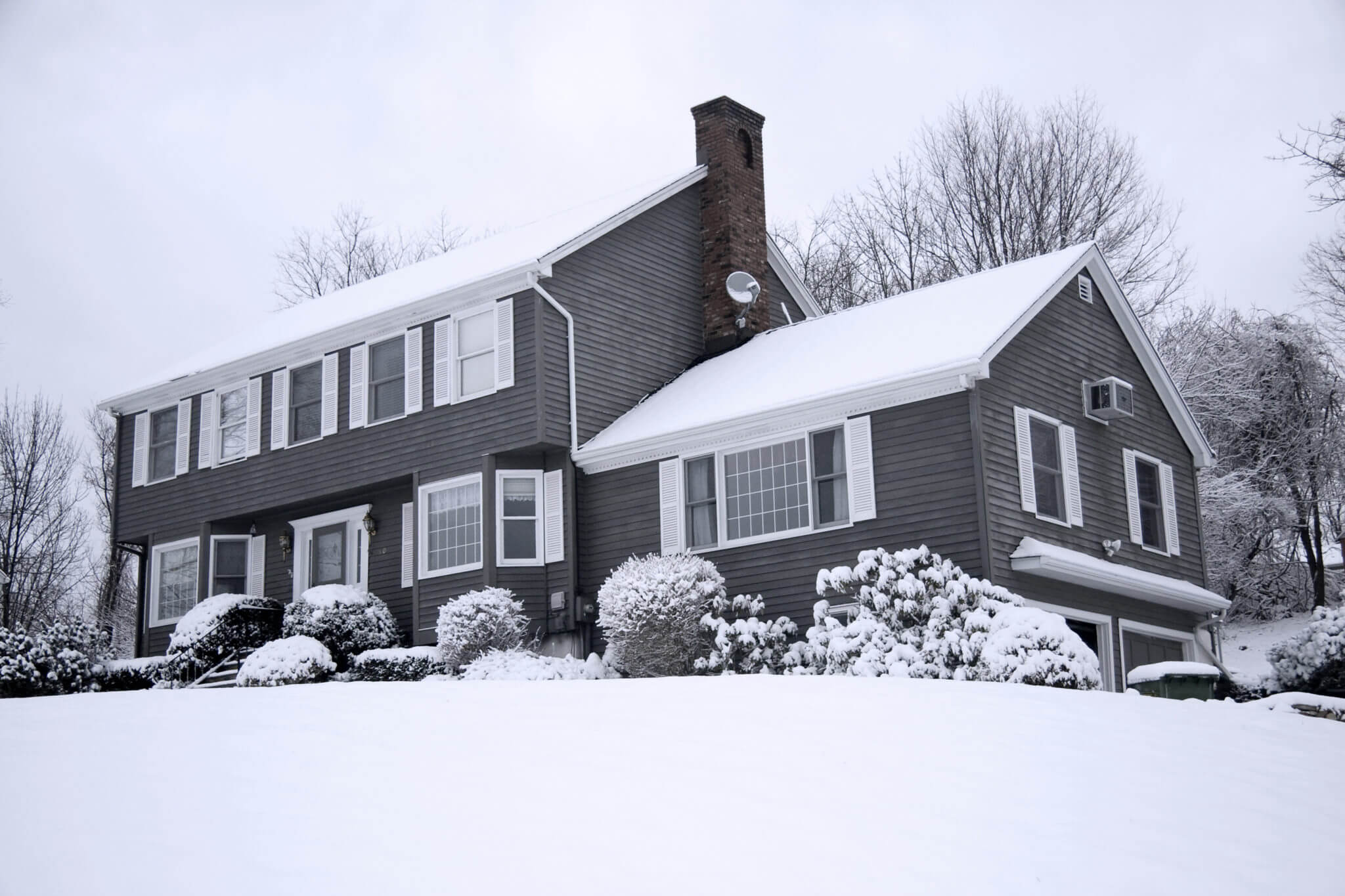
New England winters are notoriously unpredictable. One day brings eight inches of wet, heavy snow, and forty-eight hours later, temperatures spike into the mid-forties, only to plummet back into the teens overnight. This erratic weather creates a uniquely punishing environment for residential roofing systems.
Understanding how these elements interact with your roof helps clarify why early prep is so vital.
Common Winter Roofing Problems to Watch For
Winter weather exposes structural vulnerabilities faster than almost any other season. The issues homeowners encounter most frequently include:
- Roof Leaks: Water from melting snow can back up under protective layers, finding even the smallest gap to seep into attic spaces and interior ceilings.
- Ice Dams: When heat escapes through an uninsulated attic, it melts the underside of the snowpack on your roof. That water trickles down to the colder eaves and freezes, forming a solid ridge of ice that blocks proper drainage.
- Shingle Damage: Brittle asphalt shingles crack, curl, or break loose under freezing temperatures and high winter winds.
- Clogged Gutters: Leftover fall leaves and pine needles form dense plugs. When trapped water freezes, it expands, pulling gutters away from the fascia board.
- Heavy Snow Accumulation: The sheer weight of wet, dense snow places intense structural load on roof decking and rafters.
How Holiday Weather Can Put Your Roof to the Test
The holiday season multiplies the demand on your home. When you host extra family members and turn up the thermostat, your indoor heat output increases significantly. If your roof already suffers from poor ventilation or compromised flashing, that additional internal warmth accelerates the snow-melt-and-refreeze cycle up top.
Nothing interrupts a family gathering faster than a sudden drip onto the dining room table or a massive icicle crashing down near the front entry. Taking care of preparing the roof for winter tasks early ensures your home is ready to handle both severe winter storms and a full house of holiday visitors.
Essential Winter Roofing Tips to Prepare Your Home
Preparing your home for colder months does not have to feel overwhelming. By focusing on a few high-impact areas, you can systematically secure your roof before severe weather takes over.
Schedule a Professional Roof Inspection
While inspecting from the ground with a pair of binoculars is a great starting point, nothing replaces a thorough assessment by an experienced roofing contractor. Professional inspectors know exactly where to look for hidden structural fatigue, compromised underlayment, and deteriorated seals. Having an expert evaluate your system in early autumn ensures any necessary winter roof repair work is completed under manageable weather conditions rather than during a sub-zero emergency.
Check for Missing, Cracked, or Damaged Roofing Materials
You can conduct a basic safety visual check right from your driveway. Keep an eye out for:
- Sections of asphalt shingles that appear misaligned, buckled, or completely absent.
- Accumulations of dark shingle granules at the base of downspouts.
- Panels or edge trims that appear slightly lifted or unseated.
Addressing these minor physical defects promptly prevents moisture from penetrating deep into your roof’s substrate when snow sits on it for weeks at a time.
Inspect Roof Flashing, Chimneys, and Vents
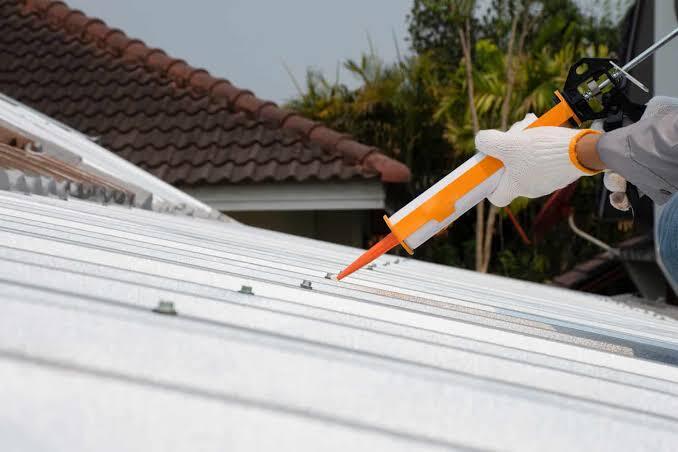
Roof penetrations—such as plumbing stacks, skylights, ridge vents, and chimneys—are the most common entry points for unwanted moisture. The metal flashing surrounding these features expands and contracts as temperatures swing. Over time, protective caulking degrades and fasteners can loosen. Ensuring all seals around these vulnerable junctions are tight and intact is crucial for avoiding unexpected winter leaks.
Clean Gutters and Downspouts Before Winter
Your gutter system serves as the primary drainage route for your entire roof. If water cannot flow freely off your house, it will inevitably find less desirable places to go.
Remove Leaves and Debris From Gutters
Once the last New England autumn leaves have fallen, clean out every channel thoroughly. Decaying foliage and organic sludge form dark, dense dams inside gutters. When low temperatures hit, this soggy debris freezes into solid blocks, rendering the entire system useless for draining melting snow.
Check for Loose, Sagging, or Damaged Gutters
Ice is incredibly heavy—a single linear foot of solid ice inside a gutter channel can weigh over five pounds. If your gutter brackets, spikes, or hangers are already loose, that added load can tear the gutters completely off your home, damaging fascia boards and soffits along the way. Reinforce any sagging sections before the first snowfall hits.
Make Sure Downspouts Direct Water Away From Your Home
Verify that all downspouts are completely clear of obstructions and extend at least three to five feet away from your foundation. If meltwater discharges too close to the house, it can pool near the basement wall, freeze, cause structural cracking, or create treacherous patches of black ice on nearby walkways.
Prevent Ice Dams With Proper Attic Insulation and Ventilation
Ice dams are among the most destructive winter roofing hazards in New England. Preventing them requires managing the temperature of your roof deck from the inside out.
Check Your Attic Insulation
The goal during winter is simple: keep the heat inside your living space and out of your attic. Adequate, evenly distributed attic insulation stops indoor warmth from rising into the attic space. When heat escapes into the attic floor, it warms the roof deck, causing snow higher up on the roof to melt even while outside air temperatures remain well below freezing.
Ensure Proper Attic Ventilation
Ventilation works hand-in-hand with insulation. Soffit, ridge, and gable vents must remain open and unobstructed by insulation batts or debris. Continuous airflow brings cold outside air into the attic, keeping the roof deck’s surface temperature consistent with the ambient outdoor weather. This cold-roof setup prevents the uneven melting that sparks ice dam formation.
Look for Signs of Moisture and Heat Loss
You can spot warning signs of poor thermal performance before massive ice ridges form. Watch out for:
- Frost forming on the underside of attic roof sheathing.
- Damp or compressed insulation batts.
- Water stains on upper-floor ceilings or top-of-wall drywall.
- Snow melting rapidly off certain spots of your roof while remaining frozen on others.
Protect Your Roof From Snow, Ice, and Falling Branches
Severe winter storms bring a mix of heavy wind, accumulating ice, and high structural strain. Preparing your property’s immediate surroundings goes a long way toward mitigating these seasonal hazards.
Trim Overhanging Tree Branches
Snow and ice add substantial weight to tree limbs. High winds can easily snap weak, dead, or overgrown branches, dropping them directly onto your roof. Trim back any limbs that extend within ten feet of your roofline to prevent direct impact damage and stop squirrels or branches from scraping protective roof coatings.
Understand Snow Accumulation and Roof Load
Building codes across New England account for local snow loads, but consecutive blizzards without a thaw can push older structures to their limits. A cubic foot of dry, powdery snow weighs around six to eight pounds, whereas a cubic foot of wet, slushy snow can exceed twenty pounds. Pay attention to interior warning signs of excessive roof strain, such as interior doors sticking unexpectedly, new drywall cracks forming near ceiling corners, or unusual popping sounds from the attic.
Consider Snow Guards for Metal Roofs
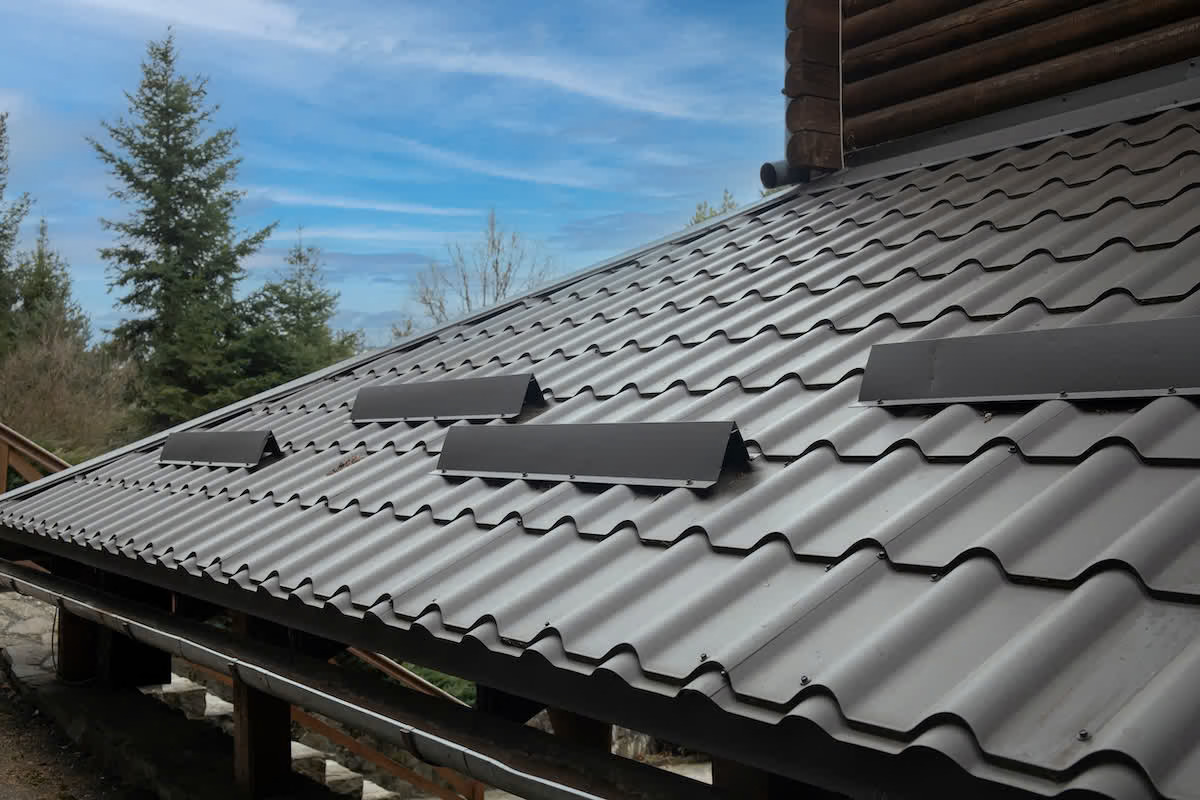
If your home features a metal roof, you already benefit from its ability to shed snow effortlessly. However, when large masses of snow unload all at once, the sudden avalanche can damage lower roof sections, tear away gutters, or pose a safety risk to people walking below. Installing engineered snow guards helps hold the snowpack in place, allowing it to melt off gradually or fall in small, controlled amounts over time.
Winter Roof Preparation Tips for Metal Roof Owners
While metal roofs are exceptionally durable and inherently resistant to ice and water intrusion, a brief seasonal checkup ensures peak performance through the harshest stretches of New England weather.
Inspect Metal Roof Panels, Seams, and Fasteners
Thermal movement causes metal roofs to expand and contract slightly throughout the year. It is good practice for a professional metal roofing contractor to verify that exposure-rated fasteners remain snug, standing seam locks are completely secure, and individual panels have not been shifted by falling debris.
Check Flashing and Roof Transitions
Pay special attention to transition zones—valley intersections, roof-to-wall step flashings, and edge trims. Ensure sealants at these high-flow junction points remain flexible and tightly adhered, so driven rain or slush cannot migrate sideways behind the panels.
Keep Gutters and Snow Management Systems in Good Condition
Ensure your snow guards are firmly anchored and structurally sound before severe weather hits. Keeping gutters free of fall debris allows snowmelt to drain off smoothly without collecting along lower panel eaves.
How to Prepare Your Roof for a Winter Snowstorm
When local meteorologists start tracking a major winter storm moving up the coast, a little bit of advance preparation can save you plenty of trouble.
Complete Essential Roof Repairs Before the Storm
If you know your roof has an existing minor leak, a missing section of trim, or an unseated pipe boot, get it repaired immediately. Trying to arrange emergency service during a regional nor’easter is extremely difficult, and small pre-existing defects will quickly expand under heavy snowfall and high winds. Follow a complete guide to preparing your roof for snowstorm conditions well ahead of time.
Monitor Snow and Ice Buildup Safely
During and after a major blizzard, monitor your roof’s condition safely from ground level using binoculars. Avoid getting up on ladders in freezing weather. Keep an eye on heavy drift accumulations near roof valleys, dormers, and lower porch extensions.
Know When Professional Snow Removal Is Necessary
If snow levels exceed safe structural thresholds, hire experienced professionals to clear it. DIY snow removal using hard metal shovels, sharp tools, or improper techniques can easily puncture roofing membranes, damage metal finishes, or result in dangerous falls. Qualified teams use specialized equipment designed to clear excess weight safely without harming the roof structure.
Check for Roof Damage After the Storm
Once the weather clears, perform a thorough visual sweep from the ground. Look for hanging or displaced gutters, ice buildup backing up near soffits, new water spots on interior ceilings, or unusual sagging along the ridge line.
When to Call a Roofing Contractor for Winter Roof Repair
Some minor house chores are great for a quiet weekend, but winter roof work is rarely a safe DIY project. Knowing when to hand the job over to trained professionals is key to keeping your home—and yourself—safe.
Signs Your Roof Needs Professional Attention
Reach out to a professional immediately if you notice:
- Active dripping inside your attic or upper-floor living spaces.
- Large ice ridges forming along eaves alongside ceiling discoloration.
- Structural sagging visible along the exterior roofline.
- Flashing pulling away from the chimney or sidewalls.
Can Roof Repairs Be Completed During Winter?
Yes, essential repairs can absolutely be performed in winter. While installing certain temperature-sensitive asphalt shingles requires specialized cold-weather techniques, structural fixes, leak isolation, flashing repairs, and metal roofing work can be executed safely year-round by an experienced crew equipped with proper cold-weather safety gear.
Why Choose an Experienced Metal Roofing Contractor?
Metal roofing systems require specialized installation techniques, detailed knowledge of thermal movement, and precise flashing details. Partnering with a contractor who specializes in metal roofing ensures your system is evaluated and serviced correctly, preserving its long-term performance through decades of tough New England winters.
Frequently Asked Questions About Winter Roof Preparation
When Should I Start Preparing My Roof for Winter?
The ideal window for winter roof preparation in New England is late summer through autumn—specifically between September and November. Completing inspections, gutter cleaning, and minor repairs before daytime temperatures drop below freezing ensures sealants cure properly and work can be completed safely before snow lands.
How Do I Know If My Roof Is Ready for Heavy Snow?
A snow-ready roof has clean and securely fastened gutters, tight flashing around all penetrations, sound surface materials with no missing or damaged components, adequate attic insulation, and balanced attic ventilation to prevent ice dams.
Do Metal Roofs Need Special Winter Maintenance?
Metal roofs require very low maintenance compared to traditional materials, but they are not entirely self-sustaining. Seasonal prep simply involves inspecting seam locks, checking panel fasteners, verifying flashing integrity around chimneys and vents, and ensuring snow guards are secure and gutters are clear.
Can a Metal Roof Handle Heavy Snow and Ice?
Yes, quality metal roofs excel in cold environments. Their smooth surfaces naturally shed snow accumulation, reducing structural load. Additionally, interlocking metal panels provide exceptional resistance to wind-driven rain, ice buildup, and severe weather.
Should I Remove Snow From My Roof After a Snowstorm?
In most cases, standard snow accumulation does not need to be manually removed from a properly engineered roof. However, if extreme snowfall creates heavy drifts or if your house shows signs of structural stress, professional snow removal is recommended. Avoid climbing onto icy roofs yourself or using sharp metal tools that can gouge surface materials.
Can I Repair My Roof During the Winter?
Emergency repairs—such as stopping active leaks, securing loose flashing, or repairing storm-damaged sections—can be performed during the winter. Professional contractors use specific safety equipment and cold-weather protocols to execute critical repairs safely and effectively throughout the winter months.
Prepare Your Metal Roof for Winter With Classic Metal Roofs
Don’t wait for the first severe nor’easter or a sudden holiday emergency leak to find out if your roof is ready for winter. Taking proactive steps today protects your investment, keeps your indoor spaces comfortable, and ensures your home stays safe throughout New England’s cold weather season.
Whether you need a seasonal assessment, expert winter repairs, or are exploring a permanent upgrade to an ultra-durable, snow-shedding metal roof, our team is here to help. Reach out to Classic Metal Roofs today to speak with our regional specialists and schedule your consultation before winter settles in.