

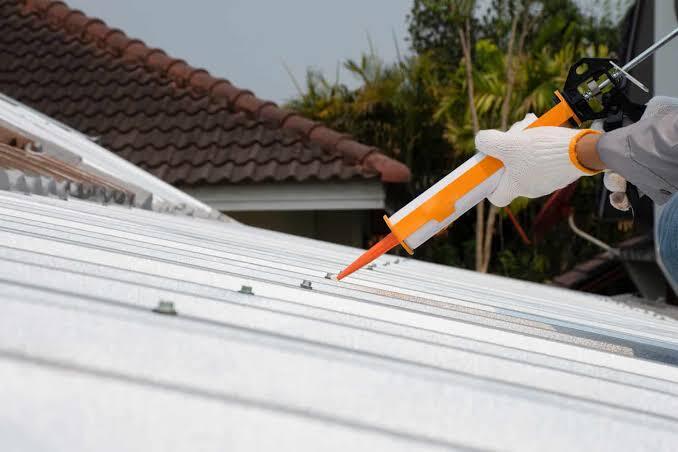
The wrong caulk can compromise the right metal roof.
A metal roof is a system—not just a collection of panels. Flashings, penetrations, transitions, and specified sealed joints all contribute to weather protection. Choosing the correct metal roof sealant is an important part of getting those details right.
At Classic Metal Roofs, we want homeowners to understand why “caulk is caulk” is the wrong approach when protecting a residential metal roofing investment.
Metal Moves. The Sealant Must Accommodate It.
Metal roofing expands and contracts as temperatures change, a process known as thermal movement. A sealant needs both reliable adhesion to the roofing surface and enough flexibility to accommodate movement at the joint. A product that loses adhesion or cannot handle that movement can crack, pull away, and leave a path for water intrusion.
The Application Determines the Material
There is no single sealant that is right for every roof detail.
- Concealed, compressed joints: May call for non-curing butyl tape or a specified butyl sealant. These materials help seal between components while remaining pliable.
- Exposed joints: Require a sealant approved for the particular application, with appropriate weather resistance, movement capability, and adhesion to the roof’s finish. Depending on the system, specified products may include certain silicone, urethane, or other specialized formulations. Chemistry alone does not establish suitability.
- Coated metal: Requires compatibility checks. A product labeled “waterproof” is not automatically appropriate for a painted metal panel. Follow the roof manufacturer’s installation details and confirm compatibility with the actual substrate and coating.
Installation Matters as Much as Product Selection.
Even an appropriate sealant depends on correct placement and application. Follow the specified joint detail, surface-preparation requirements, bead or tape dimensions, and application-temperature limits. More sealant is not a substitute for the right material in the right location.
Sealant Supports Good Roof Design. It Does Not Replace It.
Properly designed flashings and water-shedding details provide the primary protection. Sealant serves as a secondary defense at specified locations—not a way to compensate for incorrect flashing or installation.
When evaluating a metal roof installation or repair, ask: “Which sealant is specified for this detail, and is it compatible with this roof’s finish?”
Small details deserve serious attention—especially when they help keep water outside.
Frequently Asked Questions About Metal Roof Sealants
Can I use standard silicone caulk on a metal roof?
Not all silicone caulks are safe for metal roofs. Standard acetoxy-cure silicone releases acetic acid as it cures, which can corrode bare metal and damage painted finishes. Only use neutral-cure silicone or elastomeric sealants explicitly approved by your metal roof manufacturer.
What is the difference between butyl tape and tube sealant for metal roofing?
Butyl tape is a non-curing, pliable rubberized strip designed for concealed, compressed joints—such as under overlapping panels, ridge caps, or pipe boot flanges. Tube sealants (like neutral-cure silicone or polyurethane) are typically used for exposed joints, trim edges, and perimeter details where UV resistance is required.
How long does metal roof sealant last?
High-quality, manufacturer-approved metal roof sealants typically last between 15 and 20 years, depending on UV exposure, local climate, and proper surface preparation during installation.
Why shouldn’t I use asphalt or tar-based roof cement on metal panels?
Asphalt-based roofing cements become brittle over time, cannot flex with a metal roof’s thermal expansion and contraction, and can chemically react with or stain painted metal coatings.
Can you paint over metal roof sealant?
It depends on the sealant chemistry. Silicone sealants generally cannot be painted because paint will not adhere to the cured surface. If a joint needs to be painted or coated later, a manufacturer-approved polyurethane or hybrid polymer sealant is typically used instead—or a color-matched sealant is selected from the start.
Can you apply metal roof sealant in cold or wet weather?
Most tube sealants and butyl tapes have strict application-temperature ranges and require clean, dry surfaces to bond properly. Applying sealant over moisture, frost, or dirt prevents proper adhesion and can cause premature joint failure.
Protect Your Home with Classic Metal Roofs
Whether you are planning a new metal roof installation or evaluating an existing system, getting the smallest details right makes all the difference.
Contact Classic Metal Roofs today for a free consultation and let our experts ensure your roof is built—and sealed—to last a lifetime.