Metal Roofing Leads to LEED Rating Energy Savings: Why Choose Aluminum

Summary: Aluminum metal roofing can boost a building’s LEED® rating significantly, raising the energy efficiency of a home and passing significant savings on to the client.


A recent study conducted by the U.S. Green Building Council suggested that Leadership in Energy and Environmental Design (LEED®) certified buildings averaged an ENERGY STAR® score of 89 out of a possible 100. In addition to being more environmentally friendly, LEED® for Homes™ certified buildings save clients money in the long run by boosting the energy efficiency of a home. One such element of a high-scoring building is metal roofing, a durable, customizable building material which has a huge impact on LEED energy savings.

The Benefits of Metal Roofing

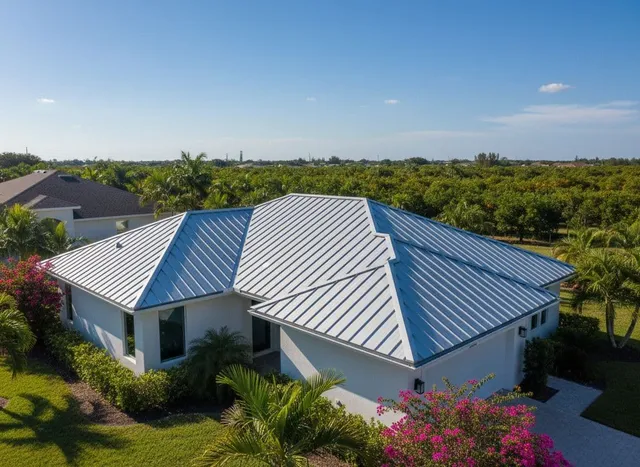
It is no secret that architects love metal roofing. Striking to look at, easy to work with, and resistant to harsh weather conditions, roofs constructed from aluminum, zinc, and copper (or a combination thereof) are a popular choice. Resistant to fire and wind damage and practically maintenance-free, homeowners love them too. Recently, metal roofing has gained further praise for its sustainability; the materials are easily recyclable and can be built over the top of existing roofing to reduce waste and disposal costs. Best of all, these building materials are incredibly energy efficient, keeping homes cooler in summer and warmer in winter without excessive gas, oil, or electricity usage.
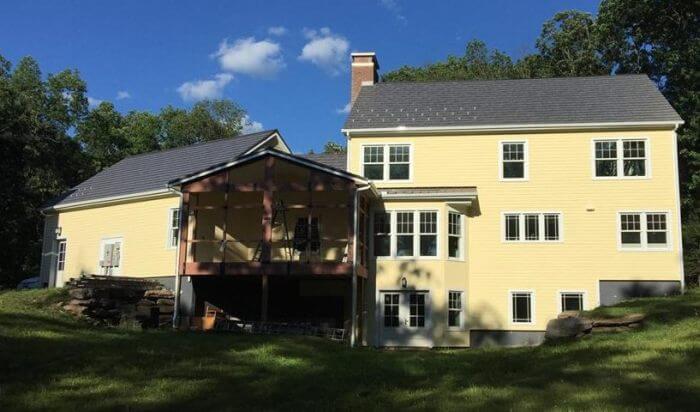
A platinum metal roof on a large yellow house with a screened in back porch in MA, CT, NH, or RI
LEED Platinum Award Winning House features a Classic Metal Roofs installation

LEED Energy Savings

The LEED program ranks a building’s sustainability using a point system. A building may be awarded a certified silver, gold, or platinum LEED rating, with corresponding social and economic incentives. By reducing heat transfer and lowering energy expenditures, metal roofing can have an enormous impact on a building’s LEED rating. It has been proven that these types of materials save homeowners up to 70 percent in air conditioning and cooling use, which in turn may make a building eligible for LEED credits and even tax incentives.
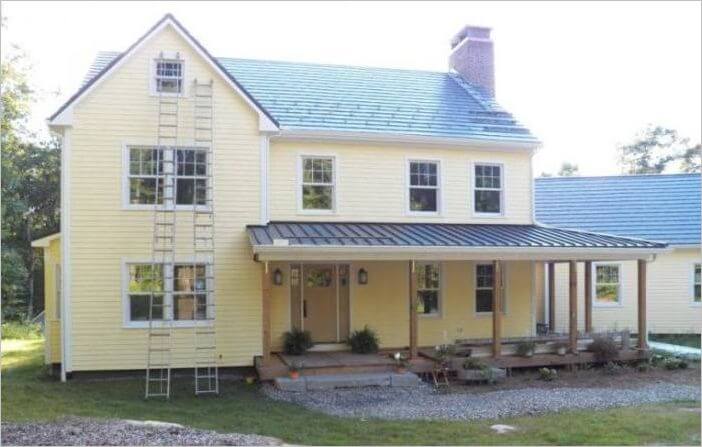
A platinum metal roof over a front porch on a yellow house in MA, CT, NH, or RI
Award-winning net-zero energy home: Note the nice complementary use of standing seam over the porch with the Oxford slate main roof – energy savings and great looks!

Aluminum vs. Steel: Why Choose Aluminum?

There is a reason airplanes are made with aluminum and not steel. Aluminum skin over aluminum frames is how most aircraft are built. Its light weight and superior strength make it an ideal choice for both airplanes and roofs.

Cheaper than copper and zinc, and incredibly malleable, aluminum roofing is often preferred to steel on account of its superior resistance to corrosion. However, aluminum is also the smart choice for contractors concerned with sustainability and LEED rating. Thin and light, with an impressive strength-to-weight ratio, aluminum roofing stores the least amount of heat of any metal building material. This means that the roof cools quickly once the sunlight fades, leaving the attic space temperate and filtering far less heat to the rest of the home.

With all of this in mind, it is clear that aluminum should be the metal of choice for homeowners and architects looking to maximize energy savings and for a roof that will look great for years.
Related Posts

How to Install Metal Roofing Over Shingles

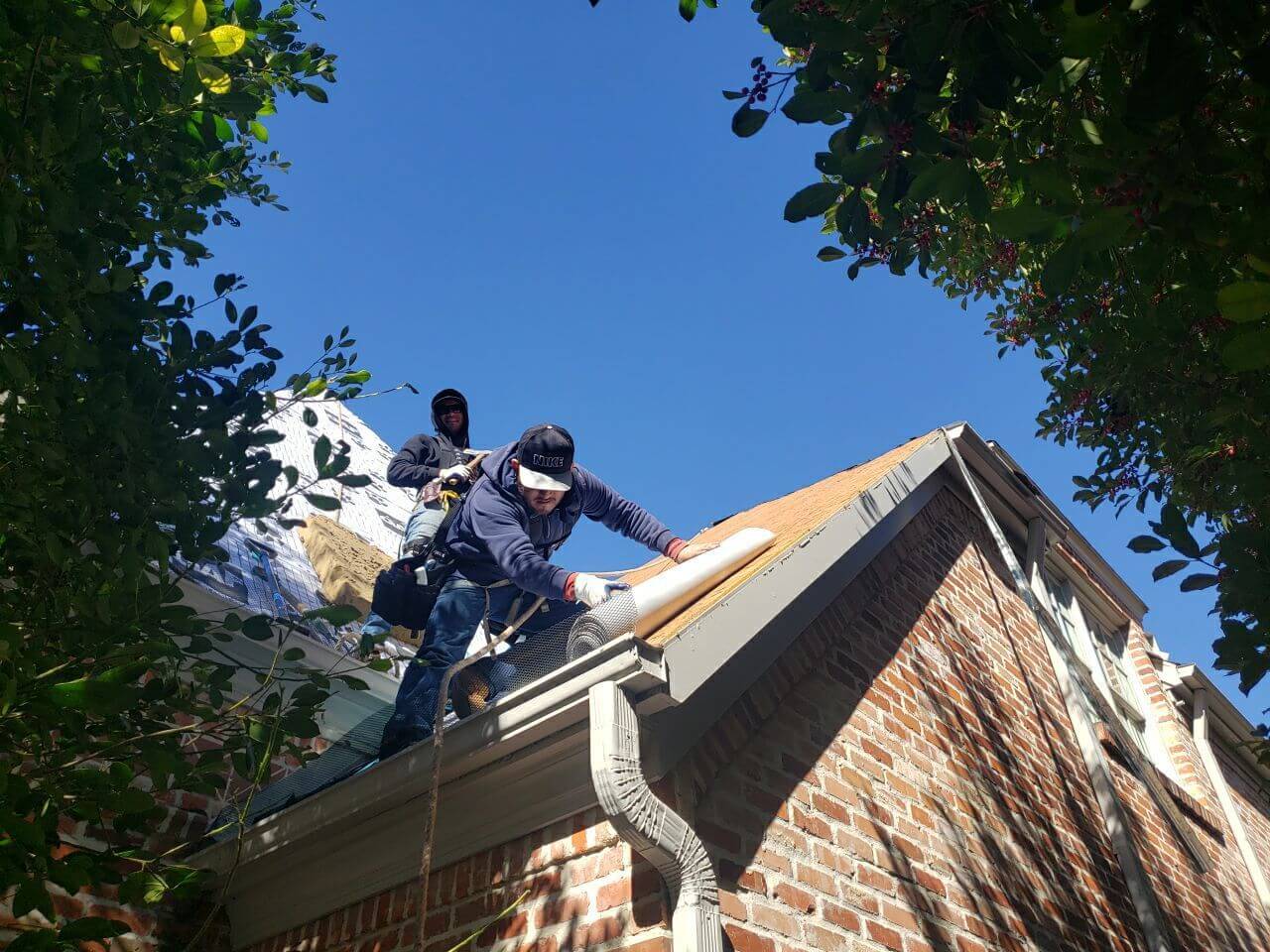
If your asphalt shingles are showing their age, you may be wondering whether you can install a metal roof directly over them instead of paying for a full tear-off. The short answer is yes, in many cases you can. Installing metal roofing over shingles is a well-established method that saves time and money while delivering the durability of a premium roofing system. That said, a successful roof-over depends on more than convenience. Your roof structure has to be sound, your local building codes have to allow it, and the installation has to be done correctly to protect against moisture, ventilation, and warranty issues. This guide walks you through how the process works, when it makes sense, and what to watch for before you commit.

Metal Shingles

At Classic Metal Roofs, we specialize in premium metal roofing shingles designed to perform in New England’s toughest conditions. Our aluminum systems combine durability, beauty, and long-term value, making them a top choice for homeowners searching for high-quality metal shingles for sale.

Why Aluminum Metal Roofing is the Optimal Choice for New England Homeowners

Choosing the right roofing material for your home is crucial, especially in a region like New England, known for its harsh winters, humid summers, and unpredictable weather patterns. For homeowners looking to invest in a durable, energy-efficient, and aesthetically pleasing roofing solution, aluminum metal roofing stands out as a top contender.

How Many Roofing Nails Per Square Do You Really Need

How Many Roofing Nails Per Square Do You Really Need

Getting the right number of roofing nails per square is something every homeowner and contractor needs to understand. The amount depends on several factors, like your roofing material, how steep your roof is, and what kind of weather your area gets.

affordable, sustainable roofing options

Affordable Sustainable Roofing Options That Last

Homeowners today are searching for affordable, sustainable roofing options that provide long-term value and environmental benefits. These eco-friendly materials help reduce energy costs while protecting your home for decades.

What Is Composition Roofing: A Complete Homeowner's Guide

What Is Composition Roofing: A Complete Homeowner’s Guide

Composition roofing has become a popular choice for homeowners across the country due to its practical benefits and versatility. High-quality metal roofing solutions and composition roofing materials offer homeowners reliable protection for their homes while maintaining affordability. This roofing material combines asphalt, fiberglass, and mineral granules to create a durable surface that withstands harsh weather conditions. Understanding the different types, installation considerations, and maintenance requirements can help you decide if this roofing option fits your home. This guide covers everything you need to know about composition roofing, from material types to cost comparisons with other roofing options.

Get your Free Consult

Fill out the form below and and someone will help you immediately!

This field is for validation purposes and should be left unchanged.
I would like to receive updates about Classic Metal Roofs appointments with me at the phone number provided. Note: Messaging frequency may vary and data rates may apply. Reply Help for assistance or STOP to cancel.(Required)
Skip to content