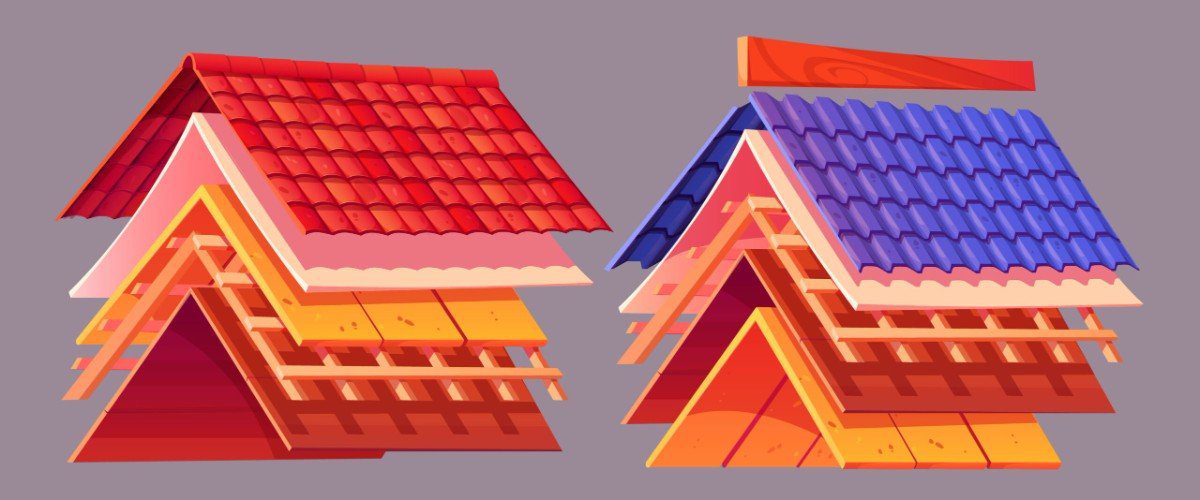
Your roof consists of several important layers that work together to protect your home. Reliable roofers understand that each layer plays a specific role in protecting your house from weather damage. This guide explains the five main parts of a roof system: sheathing, underlayment, flashing, shingles, and ridge vents. Learning about these components helps you understand how your roof functions and why proper installation is crucial for long-lasting protection.
Roof Sheathing
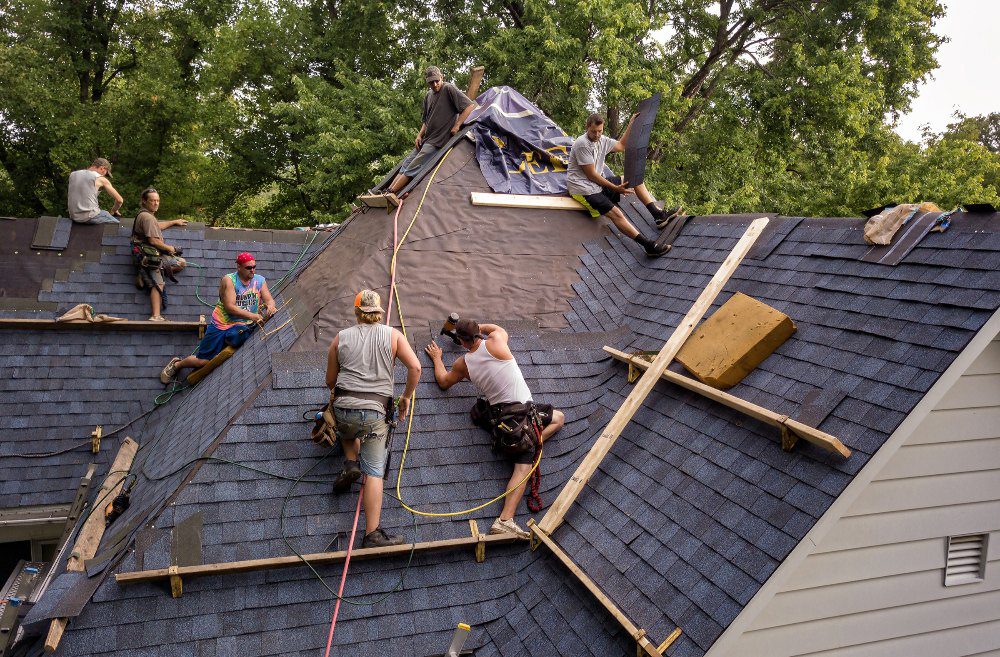
Roof sheathing is the bottom layer that gives your roof its strength and stability. This layer is typically made from plywood or oriented strand board (OSB) and is positioned on top of the roof trusses or rafters. It serves as the base to which all other roof materials are attached. The sheathing spreads the weight of shingles, tiles, and other roof coverings evenly across the roof frame. It also makes the roof stronger and stops it from sagging over time. Good sheathing installation helps your roof resist strong winds and heavy loads. If the sheathing gets damaged or is installed incorrectly, it can cause leaks and structural problems that are expensive to fix.
Underlayment
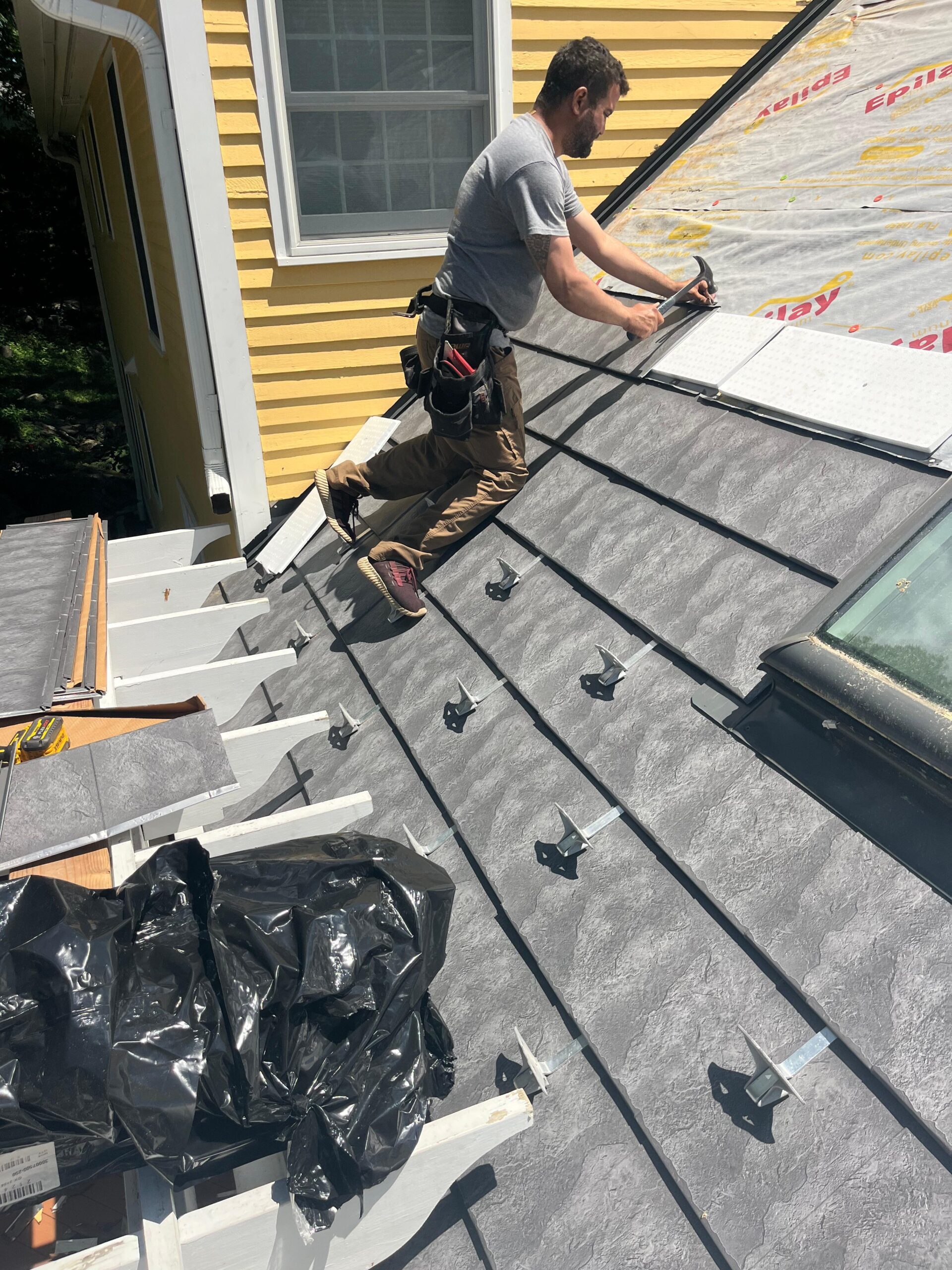
Underlayment is a protective layer that goes between the roof sheathing and the outer roof covering. This layer serves as a backup barrier to prevent water from entering your home. Here’s what underlayment does:
- Waterproofing: Stops water from getting into the roof structure
- Protection: Guards the roof deck from wind-driven rain and snow damage
- Enhanced durability: Makes the roof covering last longer by blocking moisture
- Temperature regulation: Helps keep the roof temperature steady
- Condensation control: Reduces moisture buildup in the roof system
Choosing the right underlayment type is important for your roof’s performance and lifespan.
Flashing
Flashing is a thin metal material that directs water away from weak spots on your roof. It’s usually made from aluminum or galvanized steel because these materials resist weather damage well. Flashing is installed where different roof parts meet, such as around chimneys, vents, skylights, and where the roof connects to walls. The primary function of flashing is to create a watertight seal at these areas where leaks frequently occur. Proper flashing installation is crucial for maintaining roof health. If flashing has gaps or is installed incorrectly, water can seep in and cause expensive damage to your home.
Shingles
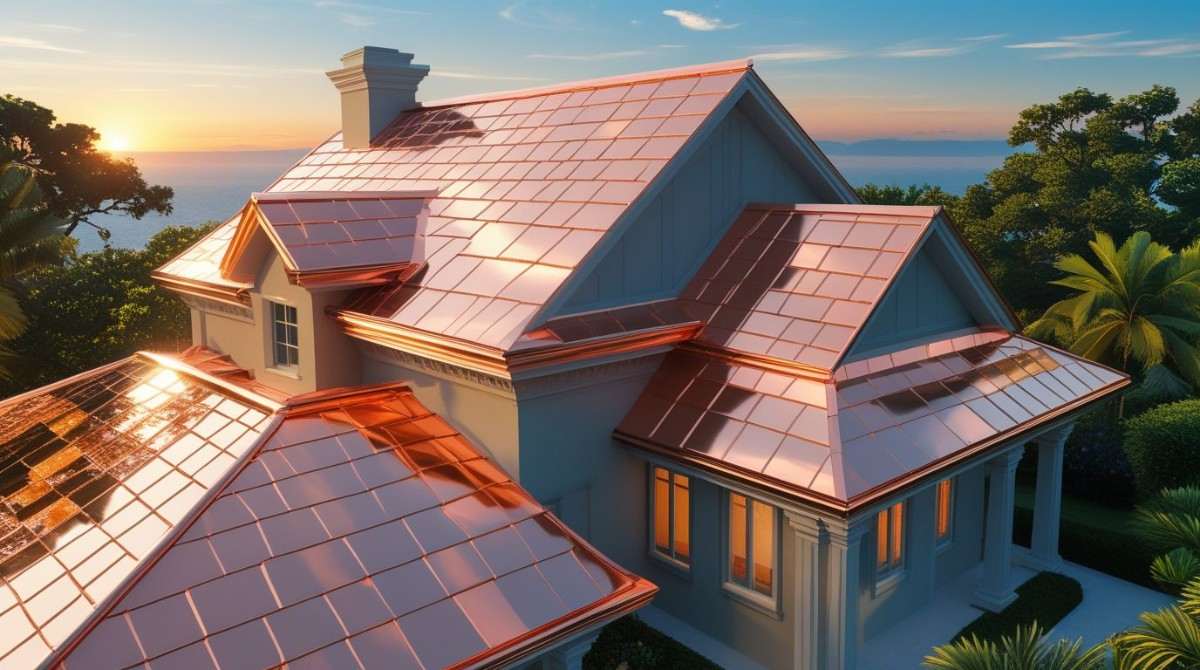
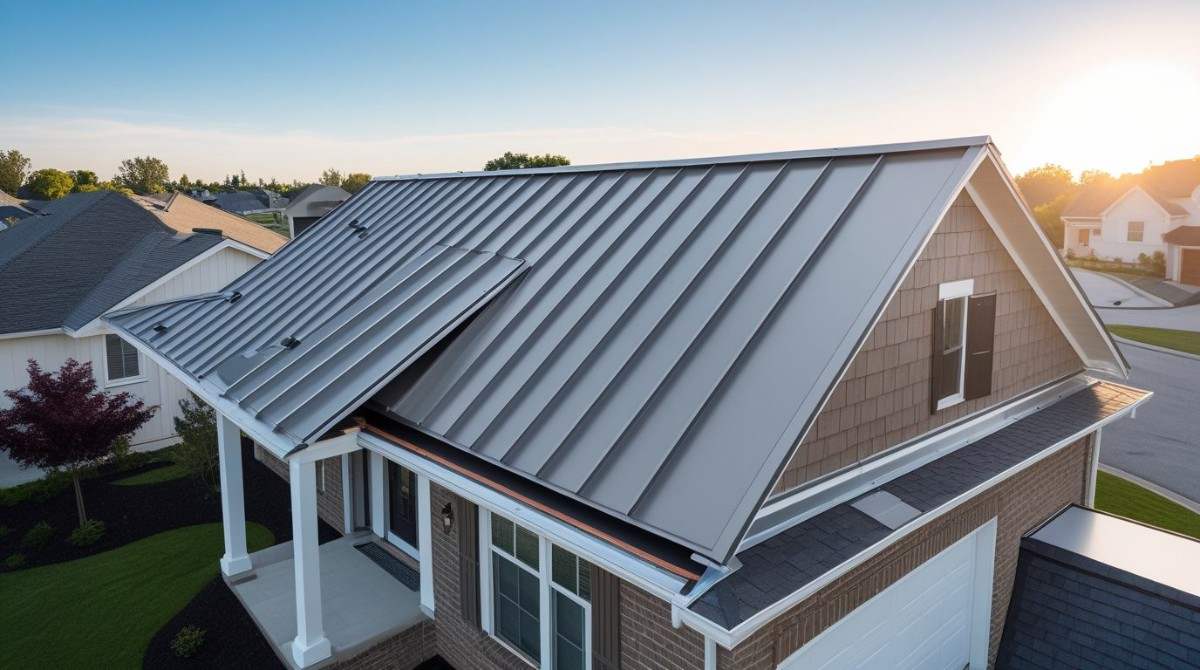
Shingles are the top layer of your roof that you can see from the ground. They protect all the layers underneath from weather damage while enhancing your home’s appearance. Here are important things about shingles:
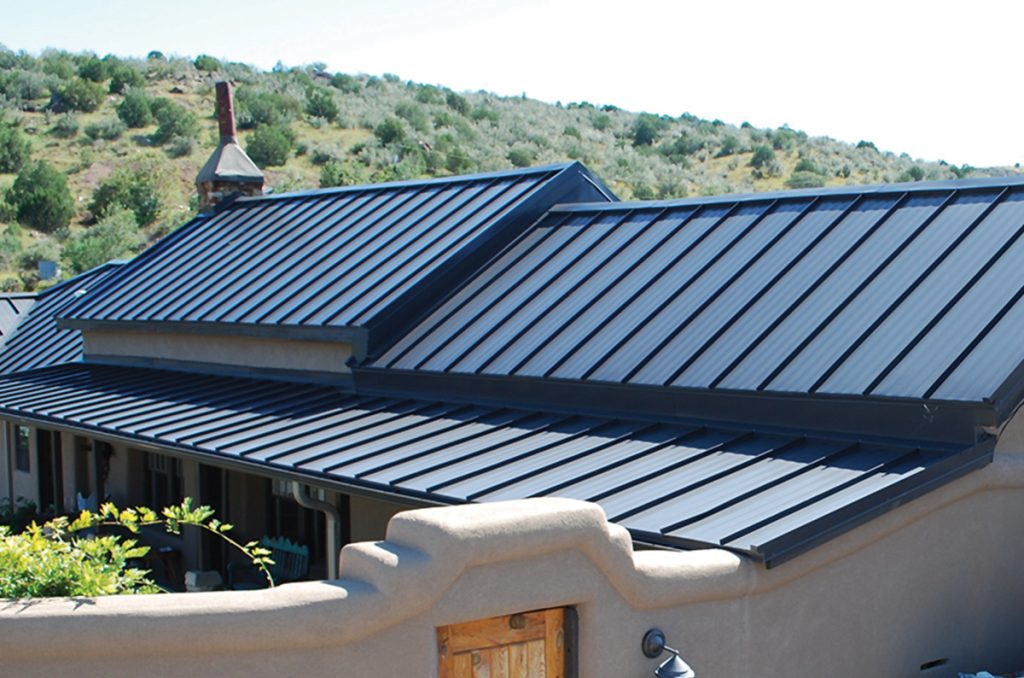
- Material: Shingles can be made from asphalt, wood, metal, slate, or clay
- Shapes: They come in rectangular, hexagonal, or diamond shapes
- Patterns: You can install them straight, staggered, or in scalloped patterns
- Colors: Shingles are available in many colors to match your house design
- Durability: Different shingle materials last different amounts of time, with some lasting up to 50 years
Ridge Vent
A ridge vent is an air system installed along the top peak of your roof. It lets hot air and moisture escape from your attic space. The ridge vent is a narrow opening that runs along the roof’s highest point, covered by a special cap that prevents rain from entering. This vent works in conjunction with soffit vents located under the roof edges to create good airflow through your attic. Proper ventilation helps control temperature and prevent moisture problems that can lead to mold and roof damage. Proper ridge vent installation is crucial to maintaining your roof’s health and extending its lifespan.
Other Related Posts: