

Built-up roofing represents a time-tested approach for protecting flat and low-slope structures. This comprehensive guide covers the fundamentals of BUR systems, from material composition to installation techniques, helping property owners understand why quality metal roofing services often recommend this method for commercial and residential applications. We’ll examine the construction process, material requirements, benefits, and maintenance considerations that make built-up roofing a preferred choice for many building projects.
What Is Built-Up Roofing?
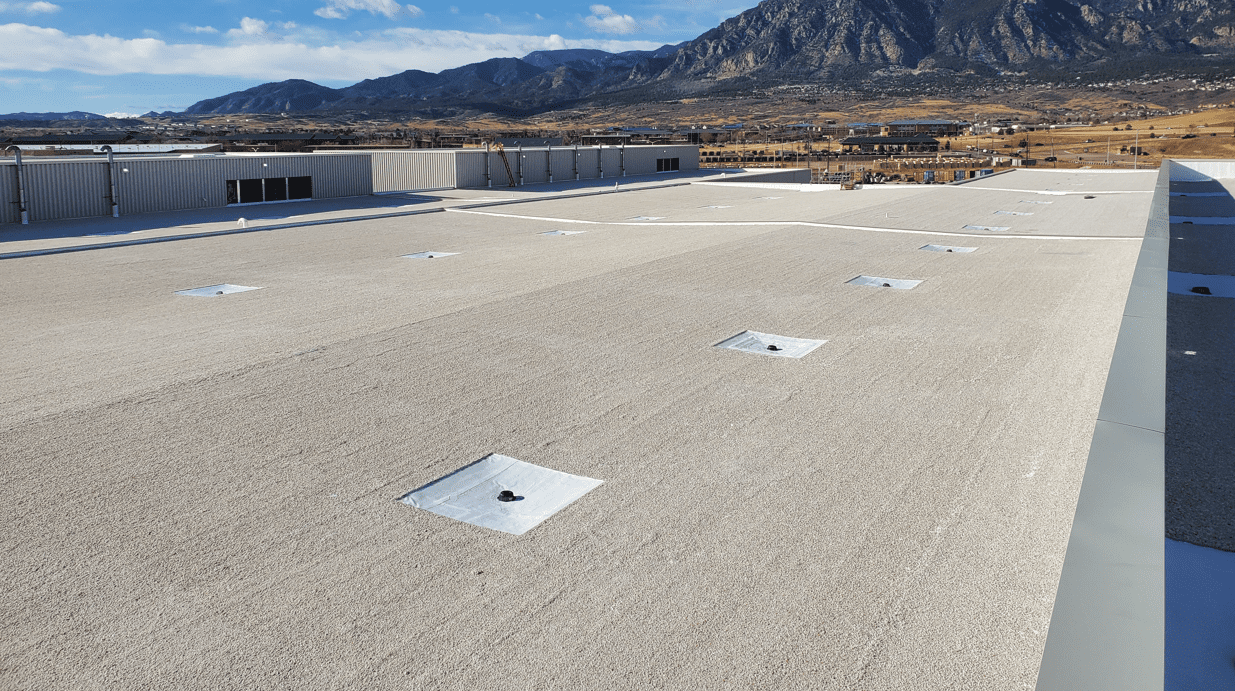
Built-up roofing systems are created by layering alternating sheets of roofing felt and hot bitumen to form a durable, weather-resistant barrier. This proven method has protected buildings for decades, offering reliable defense against harsh weather conditions. The roofing felt layers, made from fiberglass or organic materials, bond with hot bitumen—a thick, adhesive substance that provides waterproofing properties. Multiple layers create a substantial barrier that resists damage from UV radiation, hail, and extreme temperatures. This roofing method works particularly well for flat or low-slope applications where traditional shingles would be ineffective. The multi-layer construction provides redundancy, meaning that even if one layer experiences damage, the remaining layers continue protecting the structure below.
Materials Used in BUR
Built-up roofing systems rely on several key components working together to provide comprehensive protection. The foundation consists of bitumen—either asphalt or coal tar—which serves as the primary waterproofing agent. Reinforcement comes from fiberglass or organic mats embedded within the bitumen layers, adding strength and dimensional stability to the system. The top surface features protective materials like gravel or specialized cap sheets that shield underlying layers from UV damage and physical impact. Each component serves a specific purpose: the bitumen creates watertight seals, the reinforcing mats prevent tearing and cracking, and the surface layer guards against weathering. This combination produces a roofing system capable of withstanding decades of exposure to wind, rain, snow, and temperature fluctuations.
Installation Process Overview
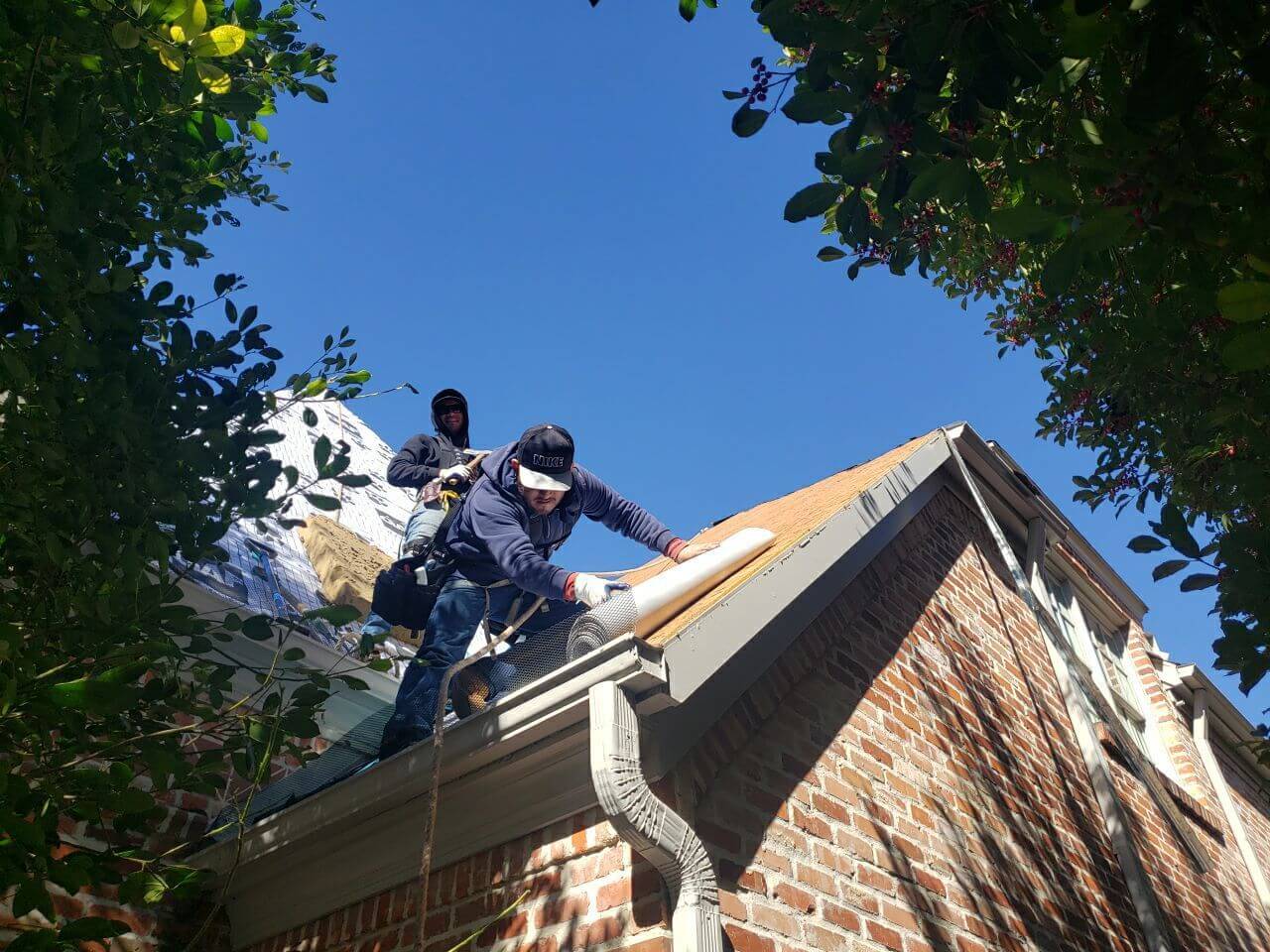
Installing built-up roofing requires careful attention to detail and proper sequencing of materials. The process begins with substrate preparation, ensuring the surface is clean, dry, and free from debris or contaminants. A base sheet of fiberglass or organic material is then secured using hot asphalt or specialized adhesives. Workers apply successive layers of roofing felt, saturating each with hot asphalt and smoothing it into position. Between layers, flood coats of asphalt ensure complete adhesion and eliminate air pockets that could compromise the system’s integrity. The final step involves applying a protective top layer—either gravel ballast or reflective coating—to guard against UV damage and provide additional weatherproofing. Temperature control during installation is critical, as materials must be heated to specific temperatures for proper application and bonding.
Benefits of Built-Up Roofing
Built-up roofing systems offer numerous advantages that explain their continued popularity in commercial and residential construction. The multi-layer design provides exceptional longevity, with properly installed systems lasting 20-30 years or more with appropriate maintenance. Waterproofing capabilities are outstanding due to the multiple redundant barriers created by overlapping felt and bitumen layers. Fire resistance is another significant benefit, as the mineral surfacing and bitumen composition naturally resist ignition and flame spread. The thermal mass of BUR systems helps regulate building temperatures, reducing energy costs by minimizing heat transfer through the roof assembly. Cost-effectiveness becomes apparent over time, as the initial investment pays dividends through reduced maintenance needs and extended service life compared to other roofing options.
Maintenance Tips for BUR
Proper maintenance extends the life of built-up roofing systems and prevents costly repairs. Regular inspections should occur at least twice yearly, checking for surface damage, membrane deterioration, and drainage issues. Clear debris from the roof surface and drainage systems to prevent water accumulation, which can lead to membrane deterioration and leaks. Address minor issues immediately—small cracks or blisters can be repaired easily but become major problems if ignored. Monitor flashing and sealant conditions around roof penetrations, as these areas are particularly vulnerable to water infiltration. Professional inspections after severe weather events help identify damage that might not be visible from ground level. Maintaining proper drainage is particularly important, as standing water can accelerate membrane aging and create leak points.
Considerations Before BUR Installation
Several factors require evaluation before proceeding with built-up roofing installation. Structural assessment is paramount—the existing roof deck must be capable of supporting the additional weight of multiple roofing layers plus any snow loads or equipment. Slope and drainage analysis ensures water will flow properly to drains or gutters without creating ponding areas. Ventilation planning prevents moisture accumulation that could damage the roof deck or reduce insulation effectiveness. Climate considerations influence material selection, as different bitumen types and reinforcement materials perform better in specific temperature ranges and weather patterns. Local building codes and permit requirements may dictate specific installation methods or material specifications. Budget planning should account not only for initial installation costs but also long-term maintenance requirements and potential future repairs.
Other Related Posts: