

The question of whether roofing paper is necessary under metal roofing is an essential consideration for proper installation and long-term performance. Expert metal roofers emphasize the importance of underlayment in enhancing protection against moisture, condensation, and structural damage. This guide delves into the role of roofing paper and other underlayment options to ensure the best results for your metal roofing system.
Types of Underlayment for Metal Roofs
Synthetic underlayment is renowned for its water resistance and durability, offering reliable protection against weather-related damage. Traditional felt paper serves as a cost-effective option, providing basic safeguarding capabilities. High-temperature-rated underlayment is particularly beneficial in preventing heat-related damage while self-adhering membranes excel in reinforcing vulnerable areas. When selecting an underlayment, it is crucial to consider the climate and follow manufacturer recommendations to maintain warranty compliance and system integrity.
Benefits of Using Roofing Paper
The inclusion of underlayment beneath metal roofing provides a range of advantages. It serves as a secondary barrier against water intrusion, minimizing the risk of leaks and safeguarding the roof deck from moisture-related issues. Underlayment also plays a role in preventing condensation damage, which can lead to structural weakening over time. By reducing noise from rain and hail, it creates a more comfortable environment within the building. Furthermore, it ensures a smoother surface for metal panel installation and protects the roof deck during construction. An added layer of insulation can also contribute to improved energy efficiency.
Installation Best Practices
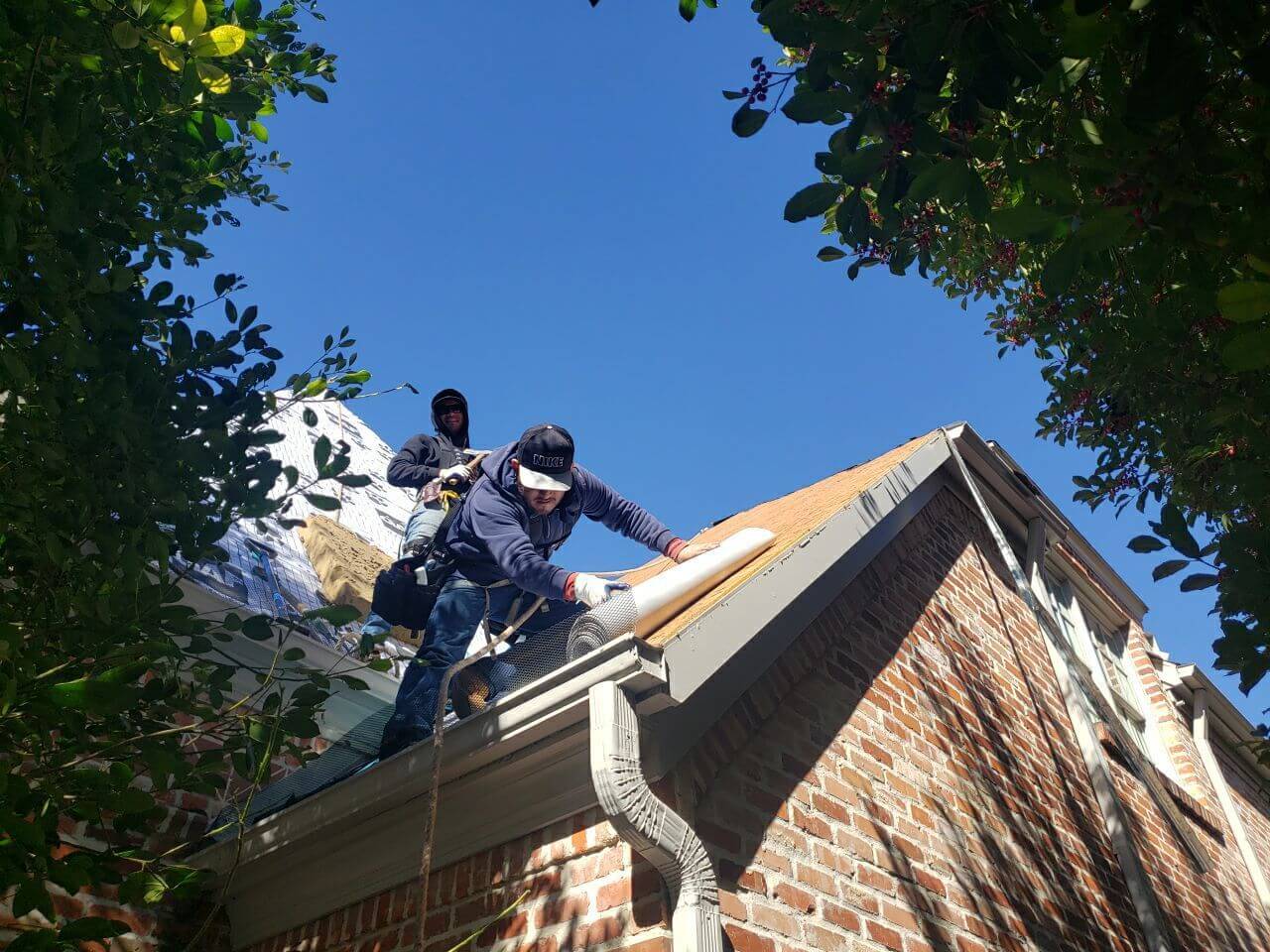
Proper installation of roofing paper begins with preparing a clean and dry roof deck. Overlapping the underlayment is vital to ensure effective water shedding, and it must be secured according to the manufacturer’s specifications. Special attention should be given to valleys and penetrations, as these areas are particularly susceptible to leaks and damage. If the roof deck becomes wet during installation, sufficient drying time should be allowed before proceeding. Additionally, using fasteners specifically designed for the chosen underlayment material will help prevent damage during the installation process.
Climate Considerations
Selecting the right underlayment is heavily influenced by the local climate. High-humidity regions often require vapor barriers to reduce moisture accumulation. In colder climates, an ice and water shield installed at the eaves can help combat ice dams and water seepage. Hot climates demand underlayment materials rated for high temperatures to withstand prolonged exposure to intense heat. Coastal areas, prone to salt and moisture, benefit from corrosion-resistant fasteners and specialized materials designed to endure harsh environmental conditions. Evaluating local weather patterns is essential when making material choices.
Common Mistakes to Avoid
One of the most critical errors is omitting underlayment in an attempt to reduce costs. This decision can lead to significant long-term problems, including leaks and reduced roof lifespan. Damaged or wet materials should never be used, as they compromise the integrity of the underlayment. Proper overlapping of seams is another key factor in ensuring the underlayment’s effectiveness. Leaving the material exposed for extended periods before installing the metal roofing can also result in damage and diminished performance. Any tears or defects in the underlayment should be addressed immediately, and adherence to manufacturer guidelines is crucial to maintain warranty validity and optimal functionality.
Other related posts: