

When you walk or drive past a home featuring a rich, patinated metal accent or a brilliant metallic porch roof, it immediately draws the eye. Copper roofing has earned its place as one of the most prestigious architectural materials in the world, renowned for its striking visual character, unbelievable structural endurance, and zero-maintenance patination process. While its upfront cost sits at the higher end of the residential spectrum, viewing copper purely as a high-ticket expense misses the bigger picture. It is a true generational investment—one that protects your home for a lifetime without losing a bit of its original charm.
What Is Copper Roofing?
Copper roofing is a specialized metal building system crafted from solid sheet copper rather than painted steel or aluminum. In residential applications, it serves dual roles as a primary covering for whole high-end roof slopes and as an architectural highlight on key structural elements.
Homeowners choose copper when standard roofing materials simply will not suffice. Beyond its obvious visual warmth, copper offers an unyielding barrier against extreme weather, naturally resists surface decay, and outlasts virtually every other building material on the market. Whether framing a front portico or detailing a complex roofline, copper strikes a balance between old-world craftsmanship and modern architectural performance.
What Does a Copper Roof Look Like?
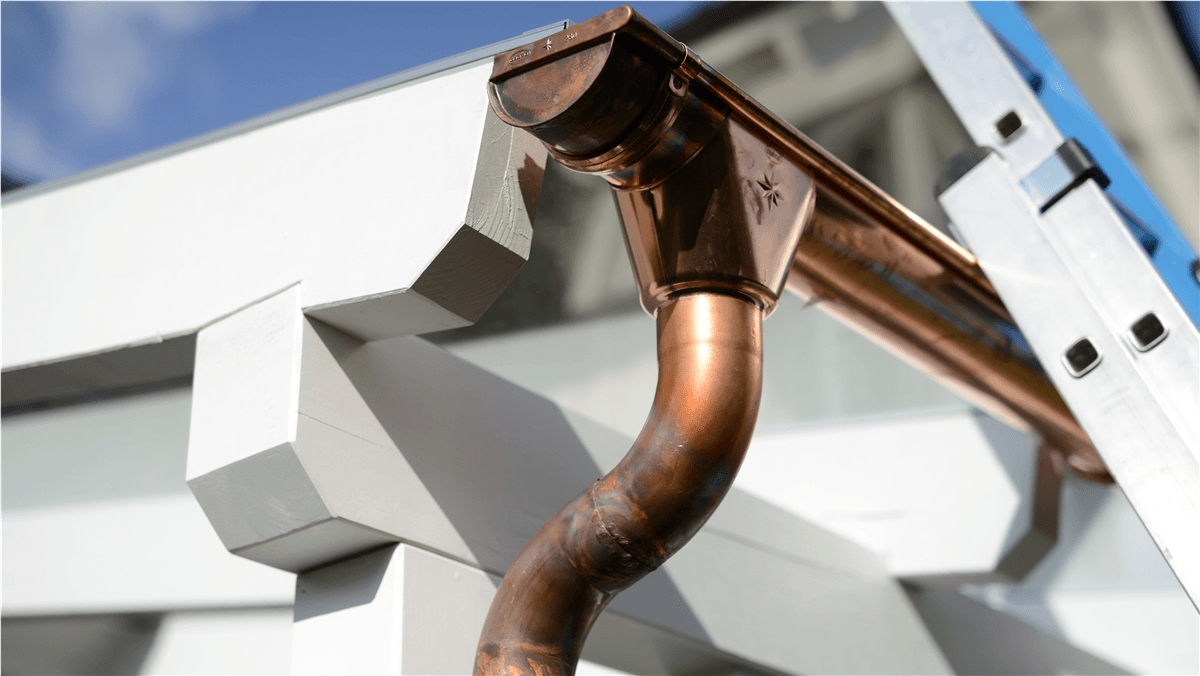
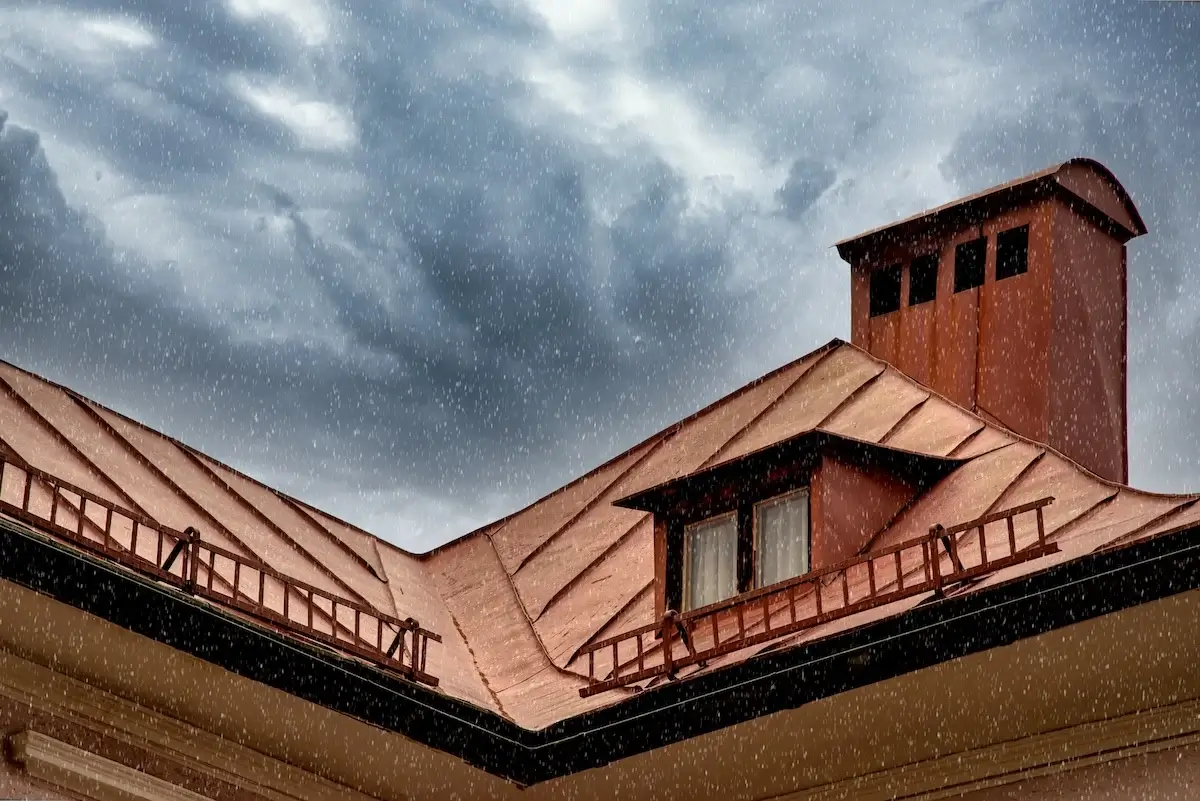
When brand new, copper displays a bright, fiery salmon-gold metallic sheen. As it interacts with rain, air, and environmental elements, it begins an elegant visual transformation. Over the course of months and years, the initial brilliance deepens into rich chocolate browns and dark charcoal tones before gradually settling into its celebrated light blue-green or jade patina.
How Copper Roofing Changes Over Time
This signature color change isn’t a sign of wear—it’s a process known as oxidation or patination. When copper meets atmospheric elements, it naturally forms a microscopic oxide surface layer. This patina acts as an impenetrable armor, sealing the underlying metal away from air, moisture, and corrosion while continually evolving in depth and character.
Where Is Copper Roofing Commonly Used?
Because of its premium price point and flexible workability, copper is often installed on prominent architectural features rather than across an entire roof. You will routinely see it highlighting:
- Entryway porches and front porticos
- Dormers, bay windows, and cupolas
- Decorative accent roofs, sheds, and additions
- Custom roof valleys, flashing, chimneys, and gutter transitions
Across New England, selective copper installations are particularly popular. They allow homeowners to add deep character and long-term protection to historic colonials, coastal retreats, and custom modern residences without replacing the entire main roof deck.
What Are the Benefits of a Copper Roof?
To understand why copper remains the gold standard in specialty architectural metalwork, you have to look past the surface. It provides clear structural and financial advantages over traditional asphalt, wood, or tile.
Exceptional Longevity
While standard asphalt shingles begin deteriorating in 15 to 20 years, a properly installed copper roof can easily remain fully functional for many decades—frequently crossing the century mark.
Natural Protection Against Corrosion
Unlike standard ferrous metals that require heavy coatings to prevent rust, copper protects itself naturally. Its developing patina acts as a permanent shield, preventing the metal underneath from rusting, flaking, or degrading over time.
Distinctive Curb Appeal
Copper delivers an organic, living aesthetic that painted metals simply cannot replicate. Because the patina responds to local humidity, temperature, and environmental factors, every single copper roof develops a one-of-a-kind finish that grows richer over the years.
Low Maintenance
Copper never needs repainting, re-staining, or sealing. Aside from periodic professional inspections and keeping surrounding drainage clear of leaves and twigs, copper systems take care of themselves.
Excellent Weather Resistance
New England weather demands serious durability. Copper easily resists thermal shock, high winds, heavy snow loads, ice damming, and driving rain, holding its structural integrity through severe seasonal swings.
Lightweight and Highly Malleable
Copper is remarkably easy to shape and fold without cracking. This high malleability allows skilled metalcrafters to wrap it tightly around intricate dormers, curved valleys, barrel vaults, and custom architectural contours where rigid panels would fail.
Sustainable and Recyclable
As one of the most eco-friendly roofing materials on the planet, copper paneling routinely contains high levels of recycled material and is 100% recyclable at the end of its life. It rarely, if ever, sees the inside of a landfill.
How Long Does a Copper Roof Last?
Few building products match copper’s historical longevity. When evaluating long-term value, understanding how copper ages helps contextualize its initial price tag.
How Long Can Copper Roofing Last?
Under normal conditions with proper design and installation, a copper roof system easily delivers a service life of 80 to 100+ years. Many historic buildings throughout Europe and early American cities still feature their original copper roofs, fully intact centuries later.
What Affects the Lifespan of a Copper Roof?
- Installation Precision: High-grade hand-soldering, double-lock seams, and accurate flashing detailing prevent premature water intrusion.
- Thermal Expansion Management: Copper moves as outdoor temperatures fluctuate; system fasteners and clips must accommodate this movement smoothly.
- Environmental Exposure: Heavy coastal salt air speeds up patina formation, while shaded, damp woodlines require careful debris clearance.
- Material Compatibility: Isolating copper from incompatible metals prevents galvanic corrosion.
Copper Roof Aging vs. Roof Damage
It’s common for homeowners to confuse normal surface patination with material failure. Darkening metal, streaks of brown, and green hues are complete non-issues—they mark the growth of the protective oxide layer. True damage presents as loose seams, mechanical puncture, sagging underlayment, or compromised flashing.
How Much Does Copper Roofing Cost?
There’s no getting around it: copper sits at the apex of roofing costs. However, evaluating it requires looking at total lifecycle value rather than just the initial quote.
How Much Do Copper Roofs Cost?
On a national level, copper roofing generally ranges from $25 to $40+ per square foot installed, depending on global metal pricing, roof geometry, system type, and regional labor rates. Because every project involves custom work, total project pricing varies widely.
What Factors Affect Copper Roofing Cost?
- Roof Slope and Accessibility: Steep pitches and hard-to-reach gables demand complex staging and safety equipment.
- System Type: Custom flat-seam soldered detailing requires significantly more bench labor than long standing seam runs.
- Substrate Preparation: Removing old layers, repairing decking, and installing high-temperature underlayments add to base costs.
- Custom Fabrication: Hand-forming valley transitions, bay window skirts, or custom drip edges increases hand-craft time.
Why Copper Roofing Costs More Than Many Roofing Materials
When you buy copper, you aren’t paying for raw metal alone. You are paying for raw purity, specialized fabrication talent, precise soldering skill, and a century of zero-replacement security.
Is a Copper Roof Worth the Investment?
If you plan to stay in your home long-term, desire unmatched visual character, or want to permanently solve a leak-prone architectural valley or entryway, copper pays massive dividends over time. If you plan to move within a couple of years, a lower-cost alternative might better fit your budget.
What Types of Copper Roofing Are Available?
Selecting the right copper format depends heavily on your roof’s pitch, structural layout, and overall design goals.
Standing Seam Copper Roofing
Standing seam systems feature vertical panels connected by raised inter-locking seams. This clean design conceals mechanical fasteners and comfortably absorbs natural thermal movement, making it ideal for sloped accent roofs and porches.
Flat-Seam and Soldered Copper Roofing
For low-slope areas, dead-level roof decks, or intricate architectural shapes, flat-seam copper shines. Small sheets are interlocked and fully soldered together by hand, creating a completely watertight, continuous metal membrane.
Copper Roof Panels and Custom Fabrication
Custom copper panels are bench-formed to accommodate complex geometric transitions, custom chimney crickets, dormer cheeks, and decorative roof skirts where off-the-shelf products cannot fit.
Is Copper Roofing Good for New England Homes?
New England’s climate can be brutal on residential exteriors. Between coastal windstorms, heavy winter snowpacks, and hot summer humidity, copper thrives in northern climates.
Copper Roofing in Massachusetts
From historic brownstones in Boston to coastal estates along Cape Cod, copper is widely relied upon across Massachusetts to preserve historic detail and safeguard vulnerable accent areas against severe coastal air and heavy rains.
Copper Roofing in Connecticut, Rhode Island, and New Hampshire
Throughout Southern New England and up into New Hampshire, copper provides the ideal mix of classic aesthetic appeal and raw durability, easily bearing up under freeze-thaw cycles and heavy ice accumulation.
Copper Roofing for Snow, Rain, and Coastal Conditions
Copper naturally sheds heavy snow slickly, preventing ice damming along roof eaves. Additionally, its chemical stability prevents aggressive corrosion from salt-laden coastal winds that quickly degrade lower-grade coated metals.
Copper Roofing vs. Other Metal Roofing Options
While copper is a top-tier choice, comparing it with other metal alternatives helps put its profile into perspective.
Copper vs. Aluminum Roofing
Aluminum is light, budget-friendly, and naturally rustproof. It is usually finished with baked-on factory paint. Copper, by contrast, relies on its unpainted, living patina, carries far higher density, and lasts substantially longer than painted finishes.
Copper vs. Steel Roofing
Steel offers incredible structural strength at a lower price point, but relies heavily on zinc or paint coatings to prevent rust. Once those coatings wear away, bare steel corrodes quickly. Copper requires no protective paint layers and will never rust.
When Copper Makes More Sense Than Other Metals
Choose copper when your primary goals are natural aging, long-term building preservation, high custom fabrication value, and unmistakable historic character.
What Does Copper Roof Maintenance Involve?
Despite its exceptional life span, simple maintenance keeping tabs on minor details protects your investment for decades to come.
Does a Copper Roof Need to Be Painted?
No. Copper should never be painted or clear-coated. Painting copper destroys its ability to develop its natural protective patina and creates a cycle of peeling and repainting.
Inspecting Copper Roof Seams and Flashing
Every few years, have a professional visually examine soldered seams, expansion clips, step flashing, and wall transitions to ensure everything remains tight and structurally aligned.
Keeping Gutters and Drainage Clear
Keep surrounding roof gutters, scuppers, and valleys free of trapped leaves and pine needles. Sitting organic debris holds moisture against the metal, which can distort natural patination lines.
What Are the Disadvantages of Copper Roofing?
No building material is perfect for every application. Understanding the trade-offs ensures you make a fully informed decision.
Higher Upfront Cost
The most notable hurdle is its initial purchase and installation price. It demands a larger upfront budget than conventional asphalt shingles or painted aluminum systems.
Installation Requires Specialized Experience
You cannot install copper like regular metal siding or shingles. It requires specialized metalworking skill, hand-soldering mastery, and an understanding of thermal movement.
The Appearance Changes Over Time
If you want a static, fixed color that stays identical for thirty years, copper isn’t for you. Its tone will change continuously as the patina matures.
Copper Can Be Vulnerable to Improper Material Combinations
If run-off water carrying copper ions drains directly onto unpainted iron, steel, or aluminum, it can trigger galvanic corrosion or cause green runoff staining on stone and siding. Proper flashing isolation resolves this completely.
How Is a Copper Roof Installed?
A successful installation comes down to meticulous preparation and traditional craftsmanship. Here is how a professional crew handles the process:
Inspect the Existing Roof and Structure
Installers first evaluate the underlying roof deck, repairing soft plywood, checking pitch clearances, and addressing old framing issues.
Plan the Copper Roofing System
The installation team calculates panel sizing, plans double-lock standing seams or flat-soldered layouts, plans thermal expansion clips, and specifies high-temperature self-adhering underlayments.
Install Copper Panels and Seams
Workers lock or solder individual panels into place using specialized hand crimpers, seamers, and soldering irons, ensuring mechanical fastening stays completely concealed.
Complete Flashing and Architectural Details
Custom copper flashings are tied seamlessly around chimneys, side walls, skylights, and valleys to form a continuous watertight barrier.
Inspect the Finished Roof
The crew conducts a thorough final walk-through, verifying seam seals, edge details, surface clearances, and drainage paths.
When Is Copper Roofing a Good Choice?
Copper is an exceptional material, but it shines brightest in specific architectural contexts.
Copper Roofing for Architectural Features
If you want to elevate a front porch, pop out a bay window, or highlight dormer roofs, copper delivers maximum curb appeal for every square foot installed.
Copper Roofing for Historic and Custom Homes
For century-old New England structures, custom modern builds, or historic restoration projects, copper seamlessly preserves architectural integrity while delivering modern weather resilience.
When Another Roofing Material May Be Better
If your priority is keeping initial cash outlay low, or if you prefer uniform paint colors across a massive, simple roof plain, high-grade painted aluminum or specialized metal shingles may suit your project better.
How to Choose a Copper Roofing Contractor in New England
Because copper fabrication requires true coppersmith skills, picking the right contractor is as important as choosing the material itself.
Look for Copper Roofing Experience
Select a company with a proven track record in specialty sheet metal work. Ask specific questions about their soldering techniques, seam folding methods, and expansion detail planning.
Review Completed Copper Roofing Projects
Ask to view gallery photos of past installations—specifically projects similar in size and layout to your own home. Look closely at flashing lines, seam straightness, and corner folds.
Ask What the Roofing Estimate Includes
Ensure your formal bid itemizes tear-off, deck repairs, custom sheet metal fabrication, specialty underlayment, flashing detailing, and site cleanup.
Ask About Installation Methods and Materials
Inquire directly about how the crew manages thermal movement, galvanic isolation, and specialized soldering techniques to ensure your roof performs reliably long-term.
Frequently Asked Questions About Copper Roof Benefits
What Are the Benefits of a Copper Roof?
Copper offers unmatched century-plus longevity, natural corrosion resistance through its protective patina, low maintenance requirements, complete recyclability, and timeless architectural appeal.
What Is the Advantage of a Copper Roof?
Its chief advantage lies in total lifecycle value. It never rusts, never needs painting, handles severe weather easily, and delivers unmatched curb appeal.
How Long Does a Copper Roof Last?
When professionally installed, a copper roof routinely lasts between 80 to 100+ years.
How Much Is Copper Roofing?
Costs generally range from $25 to $40+ per square foot installed, varying based on roof layout, system type, custom hand-crafting, and location.
How Much Do Copper Roofs Cost Compared With Other Roofing?
Copper carries a higher initial investment than asphalt or painted aluminum, but its century-long lifespan means it rarely—if ever—needs replacing, delivering superior long-term value.
What Does a Copper Roof Look Like?
It starts as a bright, shiny gold-bronze metal. Over time, weather exposure darkens it to rich browns before settling into a signature blue-green patina.
Is Copper Roofing Good?
Yes, copper is widely considered one of the highest-performing roofing materials available when specified and installed correctly.
Does Copper Roofing Require a Lot of Maintenance?
No. Aside from occasional professional roof inspections and keeping roof valleys clear of organic debris, copper is essentially maintenance-free.
Is Copper Roofing Good for New England Weather?
Extremely good. It resists snow buildup, handles ice damming gracefully, sheds rain, and stands up to harsh coastal air.
Does Copper Roofing Turn Green?
Yes, copper naturally patinates to a pale green or jade hue over time as it oxidizes in outdoor environments.
Can Copper Roofing Be Used on Part of a Roof?
Absolutely. Selective copper accenting on porches, dormers, bay windows, and entryways is one of the most popular ways homeowners incorporate copper.
Is a Copper Roof Worth the Cost?
For homeowners seeking maximum durability, historic character, zero maintenance painting, and long-term home value, it is well worth the investment.
Why Choose Classic Metal Roofs for Copper Roofing?
When investing in specialty metalwork, working with experienced regional artisans makes all the difference.
Copper Roofing for New England Homes
Classic Metal Roofs brings deep regional expertise to residential properties throughout Massachusetts, Connecticut, Rhode Island, and New Hampshire. They understand the unique weather challenges of Northern climates and build systems tailored specifically for New England architecture.
Copper Roofing for Architectural Accents and Specialty Areas
Whether crafting custom copper porch roofs, entry porticos, dormer caps, or hand-soldered flat-seam transitions, Classic Metal Roofs brings fine-tuned craftsmanship to every accent detail.
Quality Copper From Reputable Manufacturers
Classic Metal Roofs proudly fabricates and installs premium copper systems crafted from trusted names like Revere Copper. This ensures the raw material meets strict structural standards for thickness, purity, and lifetime performance.
Explore Copper Roofing Options With Classic Metal Roofs
If you’re considering adding the timeless beauty and durability of copper to your home, partner with specialists who know the craft inside and out. Explore Classic Metal Roofs services, learn more about complete roof replacement options, or contact us today to schedule a consultation for your Southern New England home.