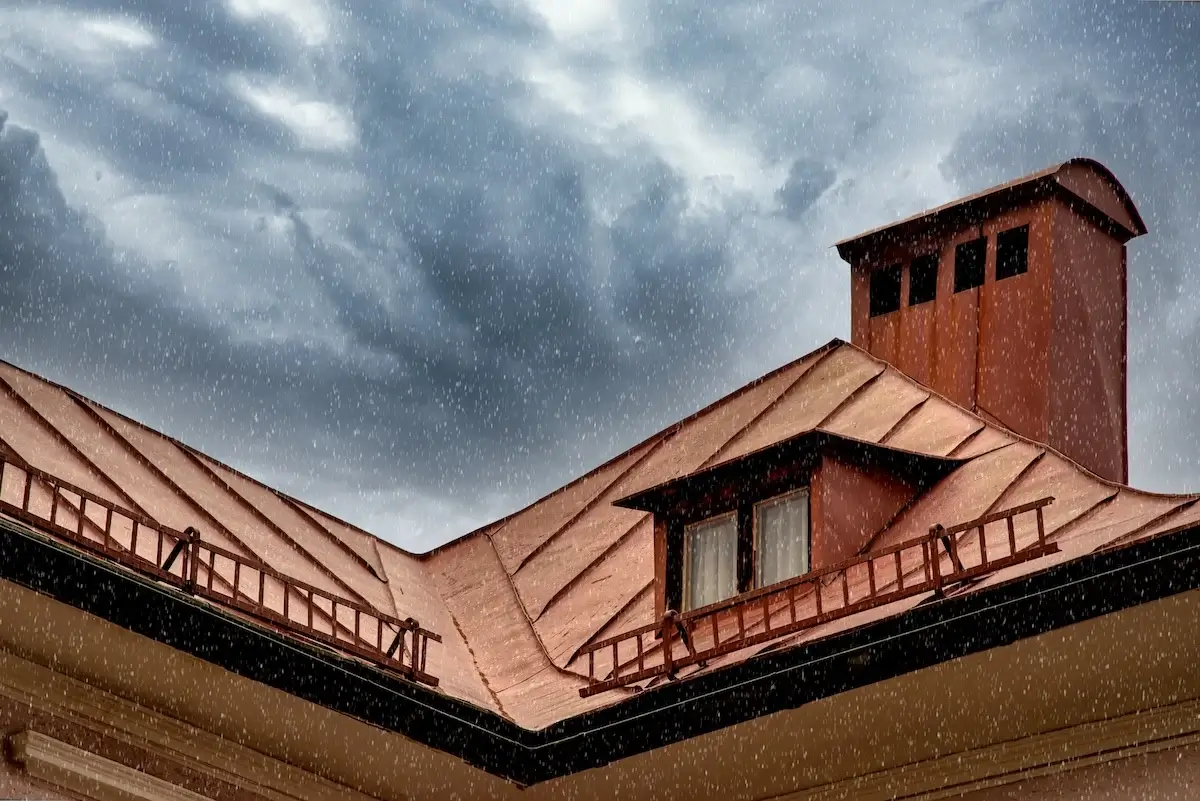


Flat and low-slope roofs have a reputation for being high-maintenance. Between standing water, pooling debris, and persistent leaks, property owners often find themselves repairing traditional membrane roofs far sooner than expected. When rainwater or melting snow sits on a surface without a steep grade, any flaw in the roofing material becomes an easy path into the building structure.
Installing the right metal roofing system offers a durable, long-term solution. When an assembly is engineered specifically for a roof’s pitch and regional weather conditions, metal transforms a problematic low-slope area into a watertight, low-maintenance asset.
Can You Put Metal Roofing on a Flat Roof?
Yes, you can put metal roofing on a low-slope roof, provided the system is designed for those specific slope dynamics.
In roofing terms, “flat” is almost always a misnomer. Virtually no roof is 100% level; almost every structure incorporates a slight grade to shed water toward gutters or drains. The precise pitch dictates whether metal panels can successfully shed water or if standard water-shedding profiles will fail under standing water pressure.
What Is a Flat or Low-Slope Roof?
A truly flat roof—one with zero pitch—would collect water continuously until it evaporated, causing rapid material degradation. A low-slope roof typically has a pitch between 1/4:12 and 2:12 (meaning a rise of 1/4 inch to 2 inches for every 12 inches of horizontal run). This slight angle allows gravity to move water toward drainage outlets.
What Is a Flat Metal Roof?
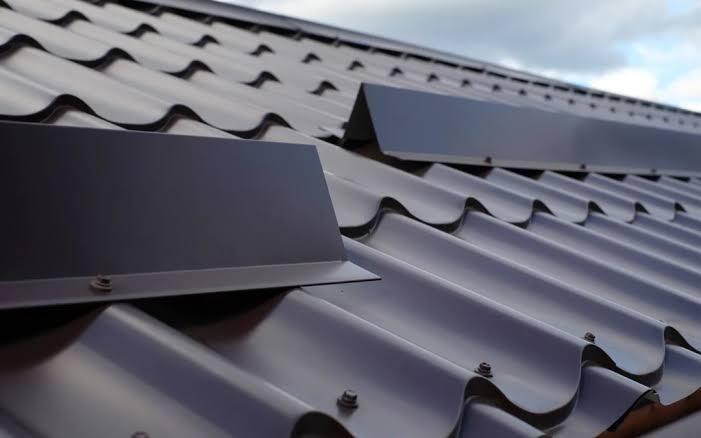
A flat metal roof is not simply a standard metal shingle or corrugated panel laid flat. It refers to a specialized metal roofing assembly—often featuring standing seam profiles, concealed fasteners, and watertight seaming mechanisms—engineered specifically to manage slow-moving water on low pitches.
Why Roof Pitch Matters for Metal Roofing
Roof pitch governs how quickly water leaves the surface. Steep roofs shed water rapidly via gravity, allowing lap-joint panels and exposed fasteners to perform well. On low-slope roofs, water moves slowly and can back up under seams or around fastener penetrations. Choosing a system rating matched to your exact roof pitch prevents seam infiltration, wind-driven rain blowback, and premature corrosion.
Benefits of Metal Roofing for Flat Roofs
Upgrading to a low-slope metal roofing system provides distinct performance advantages over asphalt, EPDM rubber, or TPO membranes, especially under demanding weather conditions.
Long Service Life
While conventional flat roofing materials often require complete replacement every 15 to 20 years, a quality metal system regularly lasts 50 years or longer. This extended longevity drastically lowers the frequency of costly tear-offs and structural replacements.
Durable Protection Against New England Weather
Homes across Massachusetts, Connecticut, Rhode Island, and New Hampshire face heavy freeze-thaw cycles, high wind loads, and intense snow accumulation. Metal panels handle severe snow loads without absorbing moisture or cracking during winter freezes, serving as a reliable defense against coastal exposure and nor’easters.
Low Maintenance
Rubber and modified bitumen roofs often demand frequent seam re-taping, patch work, and re-coating. A properly installed flat roof metal assembly requires minimal upkeep beyond keeping scuppers and gutters clear and conducting routine seasonal inspections.
Reliable Water Management
Through raised seam profiles, hydrostatic seals, and engineered flashings, low-slope metal roofs prevent water intrusion even when ice dams or heavy rains slow down runoff.
Energy-Efficient Roofing Options
Reflective metal coatings (such as Kynar 500® finishes) bounce solar radiant heat away from the building rather than absorbing it. This helps reduce cooling costs during hot summer months and keeps interior temperatures comfortable year-round.
Recyclability and Long-Term Sustainability
Unlike petroleum-based membranes or asphalt products that end up in landfills, metal roofing materials contain significant recycled content and are 100% recyclable at the end of their lifecycle.
What Types of Metal Roofing Work Best for Flat Roofs?
Not all metal roof panels handle low slopes equally. Choosing the wrong panel profile on a flat surface leads to water seepage and structural damage.
Standing Seam Metal Roofing
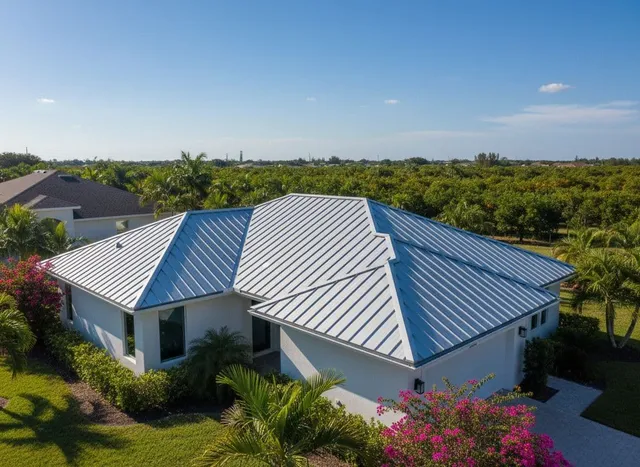
Standing seam systems feature vertical legs with concealed clips and fasteners raised above the water level. Because the attachment points are protected underneath the seams, standing seam panels offer excellent water resistance on low-slope applications.
Mechanically Seamed Metal Roofing
For very low slopes (often down to 1/2:12 or 1/4:12), mechanically seamed panels are ideal. A motorized seamer crimps adjacent panel edges together in single or double locks, frequently combined with factory-applied butyl sealant to form a watertight seal.
Flat Metal Roof Panels
Flat metal roof panels offer a sleek visual profile while providing high structural strength. Panel gauge thickness, seam height, sealant quality, and minimum pitch ratings must be evaluated prior to installation.
Why Not Every Metal Panel Works on a Flat Roof
Exposed-fastener panels or metal shingles rely on overlapping seams and rubber washers to shed water. On low-slope roofs, slow-moving water can creep over these overlaps or leak through degraded washer seals, making steep-slope panels unsuitable for flat applications.
Metal Roofing for Commercial Flat Roofs
Commercial buildings frequently feature expansive flat or low-slope roof planes. Replacing traditional membrane roofing with a metal assembly delivers operational and financial advantages for business owners.
Benefits of Metal Roofing for Commercial Buildings
Commercial property managers benefit from lower lifecycle costs, reduced maintenance disruptions, improved thermal performance, and extended structural life. A durable metal flat roof also provides a stable substrate for mounting solar arrays and HVAC equipment.
Metal Roof Retrofits for Existing Flat Roofs
In many commercial applications, a metal roof retrofit can be installed directly over an aging membrane roof using sub-framing or structural purlins. This avoids expensive tear-off costs, minimizes building disruption, and adds an extra layer of insulation.
Drainage and Structural Considerations
Retrofitting or replacing a commercial roof requires evaluating structural load limits, existing pitch adjustments, drain placement, parapet flashing, roof hatch penetrations, and mechanical equipment curbs to ensure moisture flows off the roof efficiently.
What Are the Challenges of Metal Roofing for Flat Roofs?
Evaluating a new roof involves looking at both pros and cons. Metal roofing requires precise engineering on low slopes, and acknowledging these potential challenges helps ensure a successful installation.
Water Ponding and Drainage
If a roof deck sags or lacks adequate drainage outlets, standing water can gather. While high-grade metal resists short-term water exposure, prolonged standing water can accelerate seal degradation or cause localized staining.
Minimum Slope Requirements
Every metal panel profile carries a strict minimum slope rating from its manufacturer. Ignoring these slope minimums bypasses engineering guidelines and voids manufacturer warranties.
Flashing and Roof Penetrations
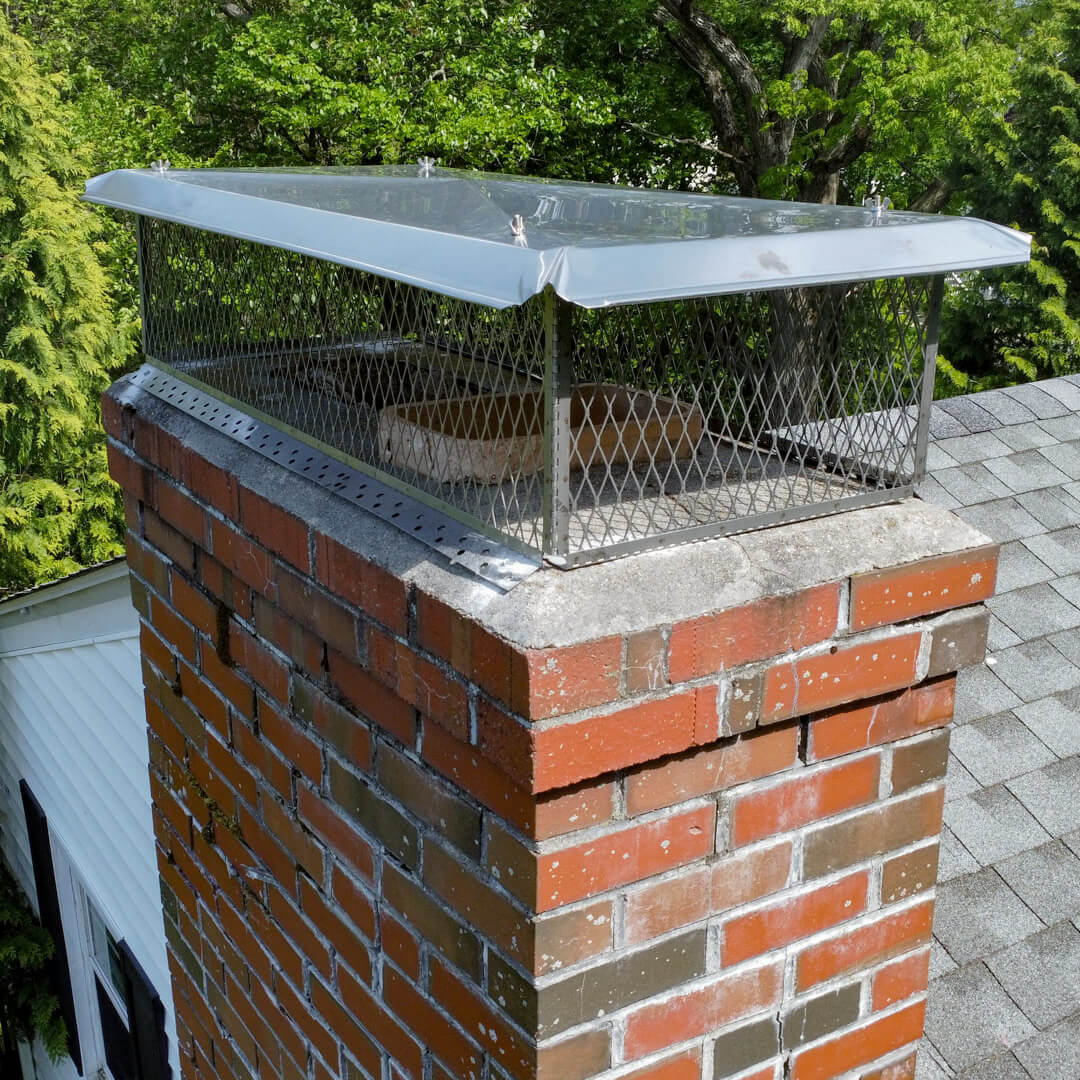
Low-slope roofs often contain HVAC vents, skylights, plumbing stacks, and chimney curbs. Flashing these penetrations on a low-slope metal system demands custom metal fabrication and high-grade sealants to remain leak-free over decades.
Thermal Expansion and Contraction
Metal panels expand and contract significantly as ambient temperatures swing. Low-slope assemblies must use floating clips and expansion joints that allow the metal to move naturally without pulling fasteners loose or buckling panel seams.
Snow and Ice Accumulation
New England winters bring heavy snow loads and freeze-thaw cycles that push ice up under standard roof edges. Flat metal roofs must incorporate ice and water shielding along with clear drainage paths to avoid damming.
How Is a Flat Metal Roof Installed?
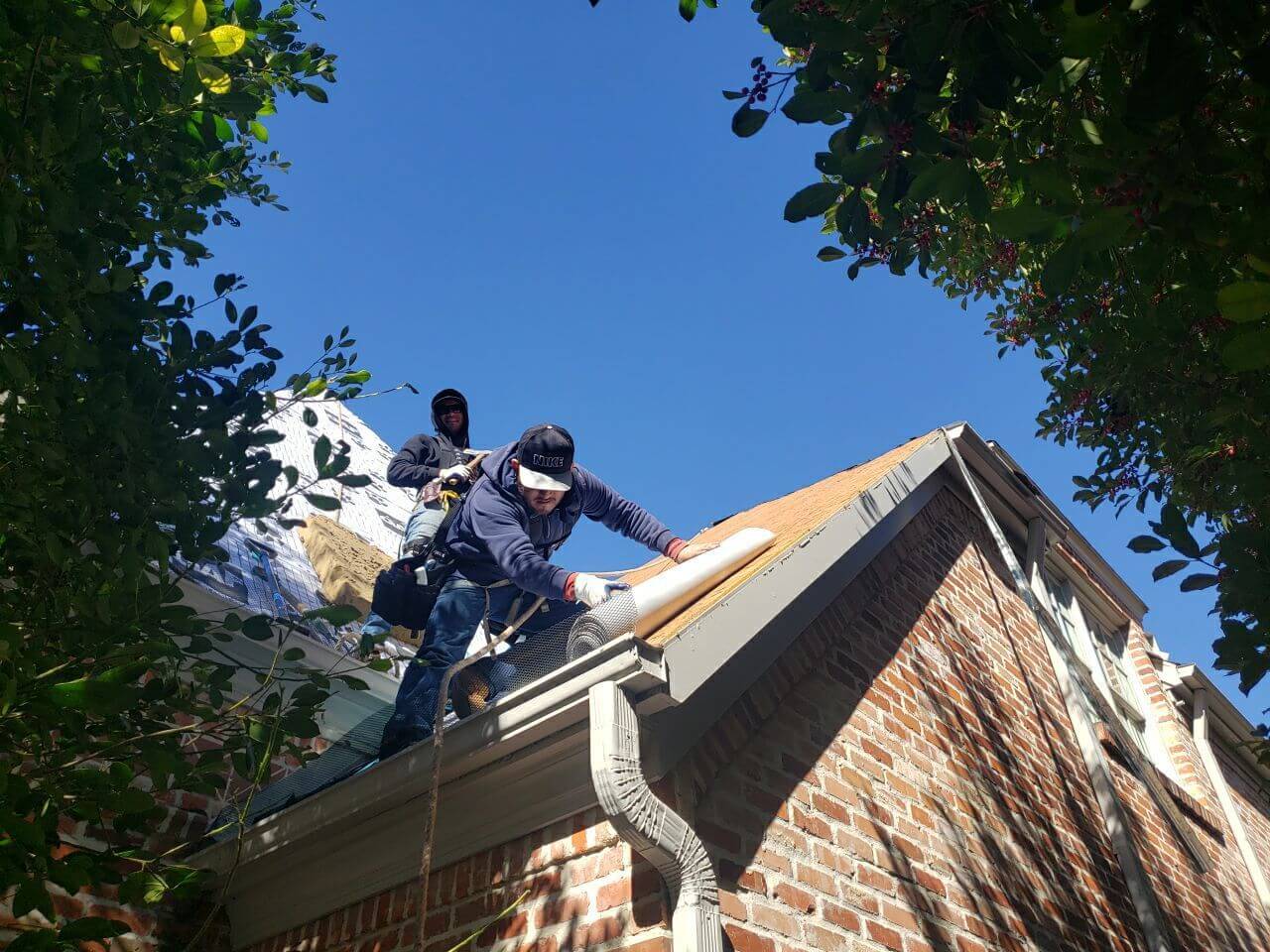
Installing low-slope metal roofing requires specialized craftsmanship and engineering rather than standard DIY techniques. Explore the core process behind professional roof replacement.
Inspect the Existing Roof and Structure
Installers inspect the roof deck for rotting wood, structural sagging, moisture damage, and proper framing integrity before laying down any new panels.
Plan Drainage and Roof Slope
Contractors confirm the existing pitch, map out scuppers, interior drains, and gutters, and install tapered insulation or structural framing if pitch corrections are needed.
Install the Roofing Assembly
A high-temperature synthetic underlayment or self-adhered ice-and-water shield is applied across the deck. Rigid insulation boards are added where thermal performance needs boosting.
Install and Seam the Metal Panels
Panels are locked in place using concealed clips that accommodate thermal movement. Mechanically seamed profiles are run through a seaming machine to lock the joints along the entire roof run.
Complete Flashing and Roof Details
Custom-bent metal flashings, eave trims, wall transitions, and boot seals around roof penetrations are sealed and locked into place.
How Much Does Metal Roofing for Flat Roofs Cost?
Upfront costs for flat metal roofing are typically higher than traditional asphalt or single-ply rubber membranes, but long-term savings offset the initial investment.
Factors That Affect Flat Metal Roof Cost
- Overall square footage and roof complexity
- Selected metal system (e.g., mechanically seamed standing seam vs. custom flat panels)
- Metal gauge and material choice (aluminum, steel, copper, or zinc)
- Roof pitch corrections or tapered insulation needs
- Removal of existing roofing layers versus retrofit framing
- Flashing complexity around vents, chimneys, and parapets
Installation and Labor Costs
Installing low-slope metal requires skilled tradespeople trained in panel crimping, custom flashing fabrication, and water management details. Labor costs reflect the high level of precision needed to ensure a leak-free installation.
Long-Term Value of a Metal Flat Roof
While rubber or TPO roofs may require complete replacement two or three times over a 50-year span, a quality metal flat roof remains in service for decades. Reduced repair bills, zero tear-off costs, and potential energy savings make metal a cost-effective choice over time.
Is Metal Roofing a Smart Choice for a Flat Roof?
Deciding on the best roofing material depends on balancing structural demands, local climate factors, and overall budget goals.
When Metal Roofing May Be a Good Fit
Metal roofing is an ideal choice if you plan to stay in your home long-term, want to eliminate frequent roof repairs, desire high wind and fire resistance, or need a durable solution that handles heavy snow and ice.
When Another Roofing System May Be Better
If your roof is completely dead-flat with zero structural pitch and no ability to add tapered insulation, or if upfront project budget constraints outweigh long-term value, an alternative low-slope system or traditional membrane may be more practical.
Why Professional Evaluation Matters
Before making a final choice, have a qualified metal roofing contractor evaluate your deck condition, measure exact slope angles, inspect existing drainage pathways, and recommend an engineered panel profile suited to your building.
Metal Roofing for Flat Roofs in New England
New England weather places extreme demands on low-slope roofs. Coastal winds, freezing temperatures, heavy snowpack, and rapid thaw cycles require robust roofing protection.
Metal Roofing for Flat Roofs in Massachusetts
Massachusetts homes from Greater Boston to the Berkshires face shifting seasonal extremes. A properly installed metal roof prevents ice damming and handles heavy winter precipitation without structural strain.
Metal Roofing for Flat Roofs in Connecticut, Rhode Island, and New Hampshire
Whether dealing with humid summer rains in Connecticut, salt spray in coastal Rhode Island, or sub-zero snowfalls in New Hampshire, flat metal roof assemblies provide reliable year-round weather protection.
Flat Metal Roofs for Snow, Ice, and Coastal Conditions
Aluminum flat metal roofing systems resist rust and salt-air corrosion in coastal towns, while smooth panel surfaces help snow slide off low-slope sections once warmer temps return.
How to Choose a Contractor for Metal Roofing for Flat Roofs
A low-slope metal roof is only as good as the installation behind it. Selecting an experienced specialist ensures long-term performance.
Look for Low-Slope Metal Roofing Experience
Ask prospective contractors specifically about their experience with low-slope and standing seam systems. Steep-slope residential roofers may lack the tools or knowledge required to properly seal and seam low-slope metal assemblies.
Ask Which Metal Roofing System Is Recommended
A reputable roofer will explain why a specific panel profile, seam height, and underlayment combination suits your roof pitch, rather than offering a generic panel option.
Compare Complete Roofing Estimates
Review detailed proposals to verify that underlayment, custom flashing, trim details, seaming methods, tear-off disposal, and warranty coverage are clearly outlined rather than focusing solely on the bottom line.
Frequently Asked Questions About Metal Roofing for Flat Roofs
Can You Put Metal Roofing on a Flat Roof?
Yes, provided the roof has a minimal pitch (typically at least 1/4:12) and uses an engineered low-slope metal system with watertight seams.
What Is a Flat Metal Roof?
It is a metal roofing assembly engineered specifically for low-slope surfaces, incorporating high raised seams, concealed fasteners, and internal sealants to manage slow-draining water.
What Type of Metal Roofing Is Best for a Flat Roof?
Mechanically seamed standing seam metal roofing is generally considered the best option for low slopes due to its locked, watertight seam connections.
What Is the Minimum Slope for Metal Roofing?
Minimum slope requirements depend on the panel profile. Many exposed-fastener panels require a 3:12 pitch, while mechanically seamed standing seam panels can go as low as 1/2:12 or 1/4:12 with sealant.
Can Standing Seam Metal Roofing Be Used on a Flat Roof?
Yes, standing seam systems designed for low slopes excel on flat roof applications because their raised seams keep connection points out of standing water.
Is Metal Roofing Good for Commercial Flat Roofs?
Yes, metal roofing offers excellent durability, reduced long-term maintenance, energy efficiency, and retrofitting options for commercial properties.
How Long Does a Flat Metal Roof Last?
A properly installed flat metal roof can last 50 years or more with minimal maintenance, far outlasting traditional single-ply membranes.
Does a Flat Metal Roof Require Maintenance?
While low maintenance, it should still be inspected seasonally to clear debris from gutters, scuppers, and drains, and to check penetrations and flashings.
Can Metal Roofing Be Installed Over an Existing Flat Roof?
Yes, retrofit systems allow metal panels to be installed over existing flat roofs if the underlying deck and structure are dry, sound, and capable of handling the load.
How Much Does Metal Roofing for Flat Roofs Cost?
Costs vary based on roof size, panel system, pitch adjustments, materials, and labor complexity. While initial investment is higher than rubber roofing, lifecycle costs are significantly lower.
Is a Metal Flat Roof Better Than Other Flat Roofing Systems?
Metal offers far superior longevity, weather resistance, and low maintenance compared to rubber or asphalt membranes, though it requires a higher upfront investment.
Is Metal Roofing a Good Choice for New England Homes?
Yes, metal handles heavy snow loads, ice dams, freeze-thaw cycles, and coastal wind-driven rain better than most conventional roofing materials.
Why Choose Classic Metal Roofs for Metal Roofing for Flat Roofs?
Choosing the right partner makes all the difference when investing in a long-term roofing solution. Classic Metal Roofs brings decades of specialized experience to low-slope metal installations across New England. Explore our full range of metal roofing services.
New England Metal Roofing Experience
With deep roots in Massachusetts, Connecticut, Rhode Island, and New Hampshire, our team understands the unique structural and weather challenges New England homes face every season.
Roofing Systems Selected for the Property
We do not believe in one-size-fits-all installations. We evaluate your roof pitch, structure, and home architecture to recommend an engineered panel system tailored to your exact needs.
Professional Installation and Detailed Work
Our skilled installers specialize in precise seaming, custom flashings, and watertight details, ensuring your low-slope metal roof delivers decades of worry-free protection.
Get Expert Advice on Metal Roofing for Flat Roofs in New England
If you are dealing with leaks, high maintenance costs, or an aging membrane on your flat or low-slope roof, upgrade to a long-lasting metal roofing system.
Contact us today to schedule a consultation with our experienced team and learn if a custom-engineered metal roof is right for your property. You can also learn more about our complete roof replacement options.