

Introduction: Feasibility of Installing a Metal Roof Over Shingles
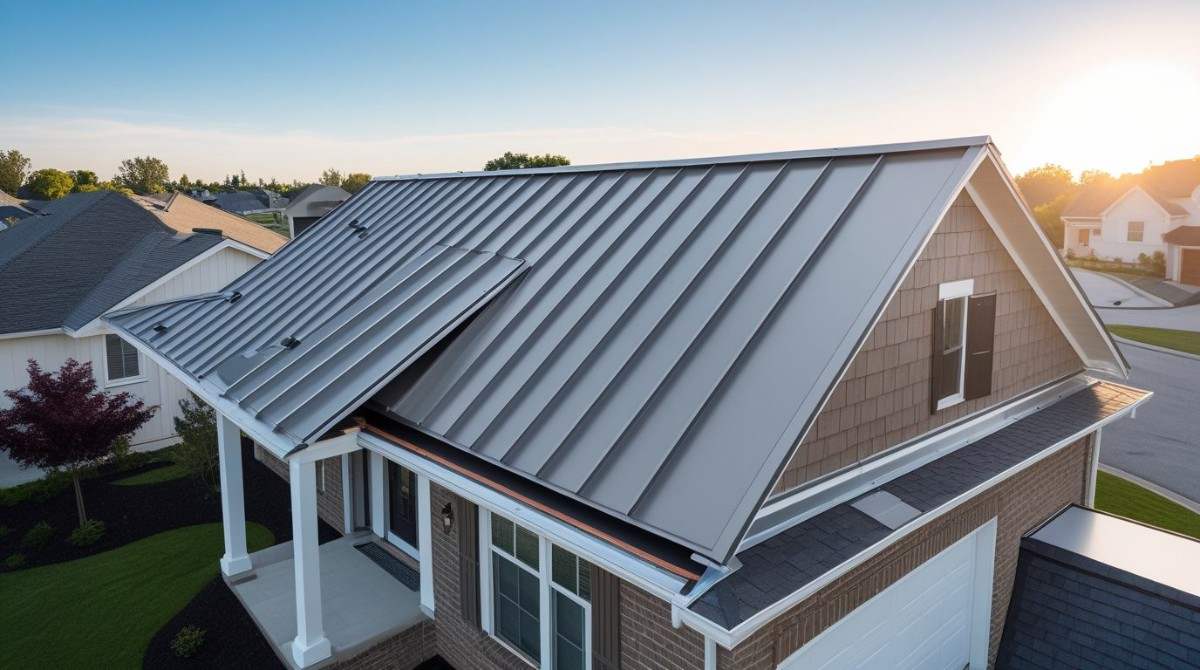
Homeowners exploring the idea of upgrading their roofing system often consider metal roofs due to their durability, energy efficiency, and long lifespan. However, one common question that arises is whether a metal roof can be installed over an existing shingle roof. The prospect of skipping the time-consuming and costly process of removing old shingles makes this option particularly appealing. While this method is indeed possible, it comes with considerations that must be carefully evaluated to ensure a successful installation.
The decision to install a metal roof over shingles depends on several factors, including the condition of the existing roof, local building codes, and the structural integrity of the home. While this approach can save money and reduce waste, improper installation may lead to long-term issues that could outweigh the initial benefits. Understanding the advantages, potential problems, and correct installation techniques is essential before moving forward with this roofing solution.
Evaluating Whether It’s Safe to Install a Metal Roof Over Shingles
Before deciding to place a metal roof over shingles, it is important to assess whether the existing roof can support the new structure. Many homeowners wonder whether this practice is safe and permitted under building codes. In most cases, local regulations allow for a second layer of roofing, but specific guidelines must be followed to ensure safety and compliance.
One of the primary concerns is the weight of the additional layer. While metal roofing is significantly lighter than traditional asphalt shingles, adding a second layer of material can put extra strain on the roof structure. A professional inspection can determine if the roof is strong enough to handle the added load. Additionally, some regions have strict building codes that require the removal of old shingles before a new roof can be installed. Checking with local authorities or consulting a licensed contractor can clarify whether this method is a viable option.
Benefits of Installing a Metal Roof Over Shingles

- Choosing to install a metal roof over an existing shingle roof offers several advantages. One of the most appealing benefits is cost savings. Removing old shingles involves additional labor and disposal costs, which can significantly increase the overall price of a roofing project. By eliminating this step, homeowners can reduce expenses while still achieving a high-quality roofing upgrade.
- Beyond financial savings, this method is also environmentally friendly. The process of removing shingles generates a considerable amount of waste, much of which ends up in landfills. By keeping the old shingles in place, the environmental impact is minimized. Additionally, a metal roof reflects heat rather than absorbing it, which enhances energy efficiency and can reduce cooling costs during warmer months.
- Another advantage is the added insulation that the existing shingles provide. The extra layer beneath the metal roof can help improve thermal resistance, keeping the home warmer in winter and cooler in summer. This can be particularly beneficial in areas with extreme temperature variations.
Challenges and Potential Problems When Installing a Metal Roof Over Shingles
While there are numerous benefits to placing a metal roof over shingles, it is equally important to consider the potential drawbacks. One of the most significant concerns is moisture buildup between the two layers. If water becomes trapped between the old shingles and the new metal roof, it can lead to condensation, mold growth, and structural deterioration over time. Proper ventilation is essential to prevent this issue, and installing an underlayment or furring strips can create a necessary gap for airflow.
Another issue to be aware of is the condition of the existing shingle roof. If the shingles are damaged, curling, or uneven, they can affect the appearance and stability of the new metal roof. A poorly maintained roof may require additional preparation work before installation can proceed. Flattening out irregular surfaces or reinforcing weakened areas ensures that the metal roof is properly secured and functions as intended.
Noise can also be a factor, especially during heavy rain or hail. While many homeowners appreciate the distinct sound of rain on a metal roof, others find it too loud. Installing insulation layers or sound-dampening materials can help mitigate this concern.
The Right Way to Install a Metal Roof Over Shingles
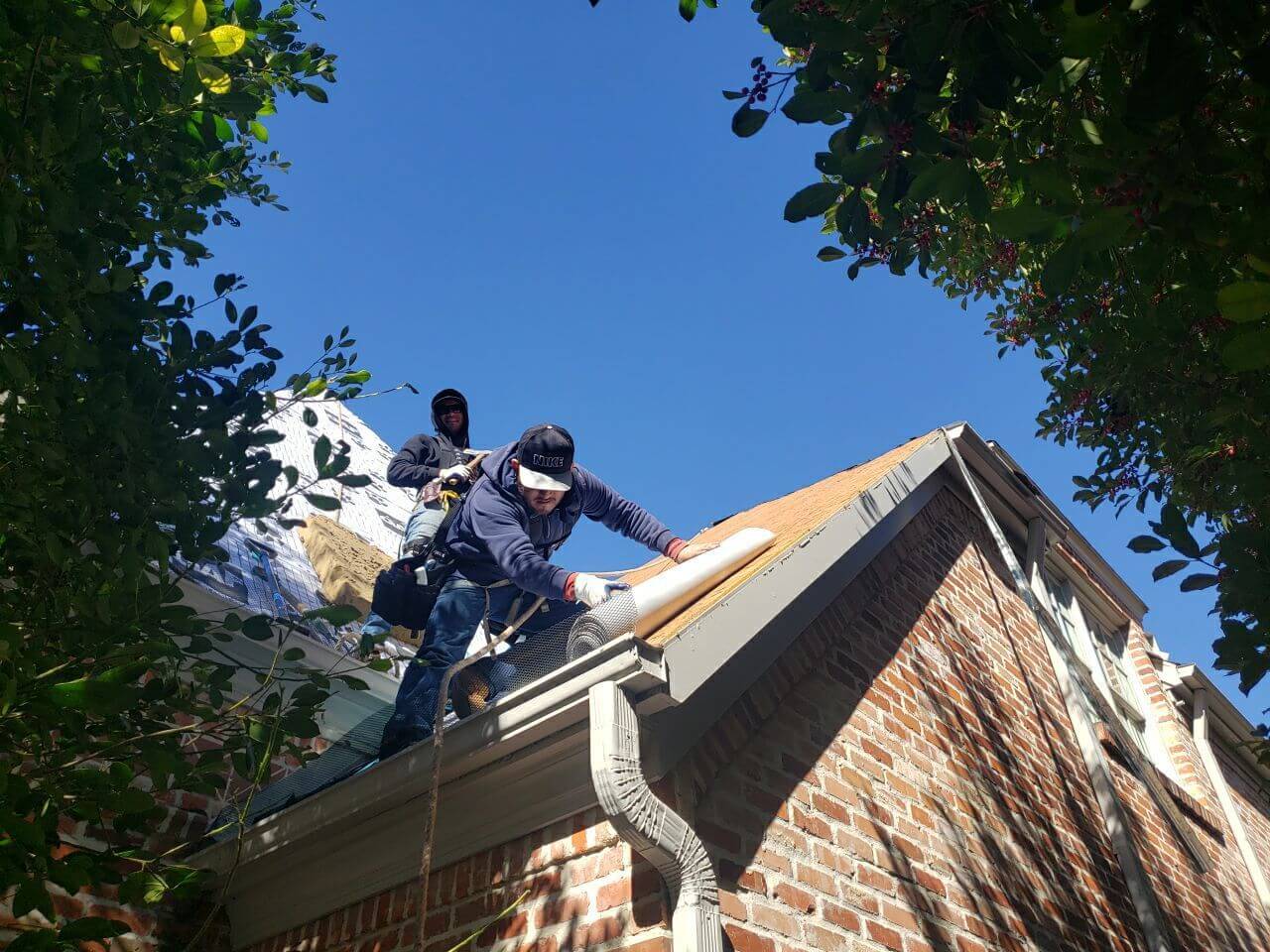
For those who decide to move forward with installing a metal roof over shingles, following proper installation techniques is critical. The process begins with a thorough inspection of the existing roof to ensure it is in good condition. Any loose, damaged, or missing shingles should be repaired or replaced to create a stable foundation.
Underlayment is a key component in this process. A synthetic or felt underlayment is often placed between the old shingles and the metal roofing panels to serve as a moisture barrier. This prevents water infiltration and protects the home from leaks. Additionally, furring strips can be used to create an air gap, reducing the risk of condensation and improving ventilation.
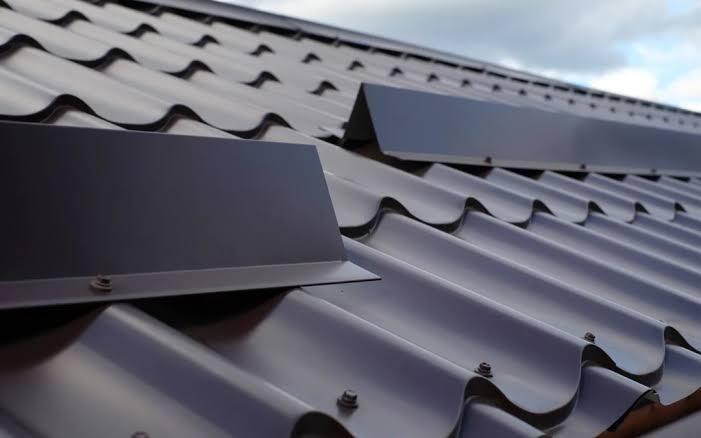
Once the preparation is complete, the metal roofing panels are carefully installed according to manufacturer guidelines. Proper fastening and alignment are necessary to prevent leaks and ensure longevity. Attention should also be given to securing edges and seams, as improper sealing can lead to wind uplift or water penetration.
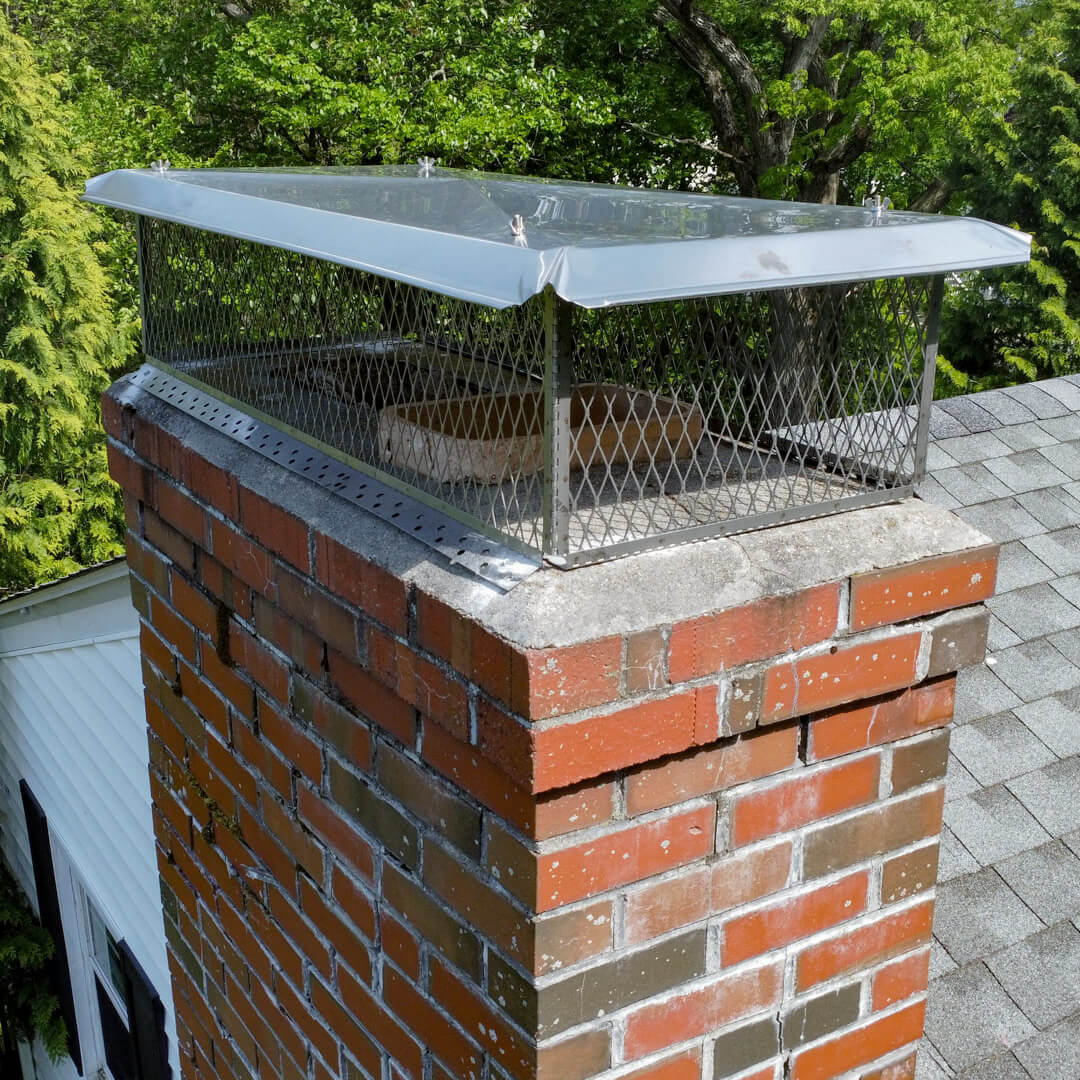
Flashing around vents, chimneys, and other roof openings must be properly installed to maintain a watertight seal. Ridge vents or soffit vents can be incorporated to enhance airflow and prevent moisture-related issues. When done correctly, a metal roof over shingles can last several decades with minimal maintenance.
Comparing Metal Roofing Over Shingles to a Full Roof Replacement
Deciding whether to install a metal roof over shingles or opt for a full replacement depends on individual circumstances. A full tear-off allows for a fresh start, eliminating any underlying structural concerns and providing an opportunity to inspect the roof deck for hidden damage. While this approach ensures optimal longevity, it comes at a higher cost due to labor and disposal fees.
On the other hand, installing metal roofing over shingles is a more cost-effective and time-efficient method. It preserves the integrity of the existing structure while still offering the durability and aesthetic appeal of a metal roof. If the shingle roof is in good condition and local building codes allow for this practice, it can be a practical solution for homeowners looking to upgrade their roof without undergoing extensive renovations.
Long-Term Maintenance Considerations for a Metal Roof Over Shingles
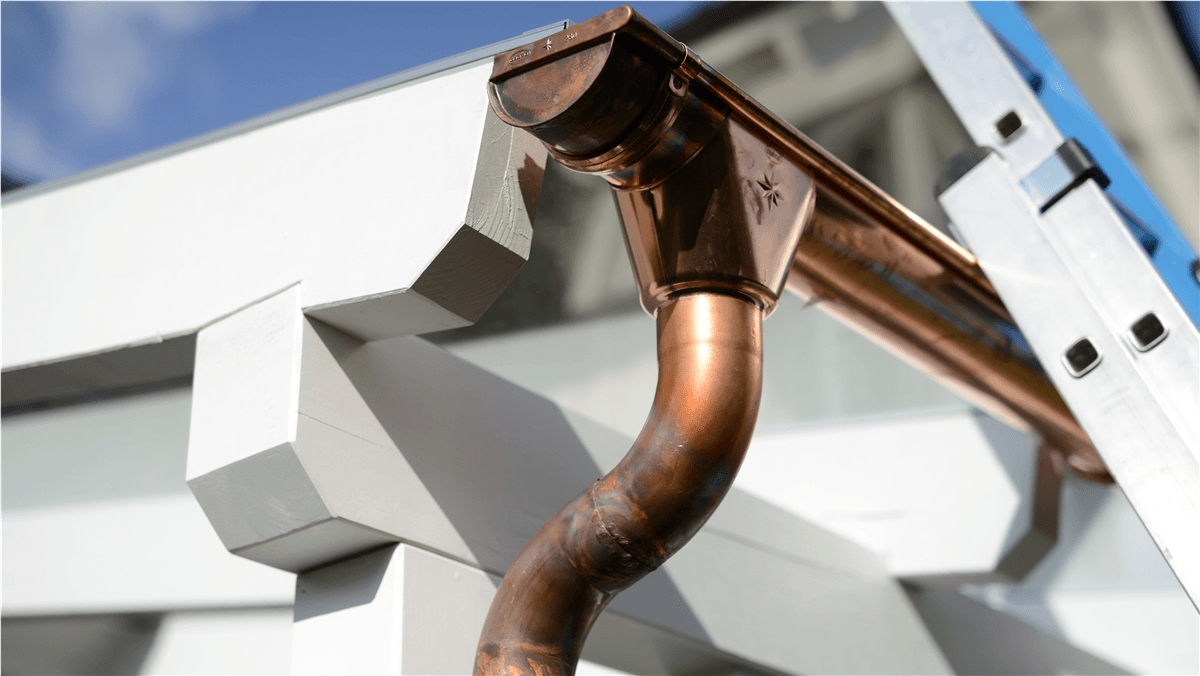
Once a metal roof is installed over shingles, routine maintenance is essential to ensure its longevity and performance. Regular inspections should be conducted to check for any signs of wear, loose fasteners, or areas that may require resealing. Clearing debris from gutters and roof valleys helps prevent water buildup and potential damage.
Addressing minor issues early can prevent larger problems down the line. If moisture accumulation becomes a concern, additional ventilation solutions may need to be installed. Metal roofs are highly durable, but occasional refinishing or protective coatings can extend their lifespan and maintain their appearance.
Final Thoughts: Should You Install a Metal Roof Over Shingles?
Choosing to install a metal roof over shingles is a decision that comes with both advantages and challenges. When done correctly, this method offers cost savings, energy efficiency, and environmental benefits. However, it requires careful planning, proper ventilation, and adherence to building codes to avoid potential pitfalls such as moisture buildup or uneven surfaces.
For homeowners looking to upgrade their roof with minimal disruption and expense, this approach can be an excellent option. However, it is essential to work with experienced roofing professionals to ensure that the installation meets all structural and safety requirements. With the right preparation and expertise, a metal roof over shingles can provide lasting protection and aesthetic appeal for years to come.