

Copper roofing has been admired for centuries due to its longevity, elegance, and durability. Homeowners looking for a roofing solution that offers both aesthetic appeal and long-term value often consider copper. But how long does a copper roof last? The answer lies in its unique properties, maintenance requirements, and environmental factors.
Unlike other roofing materials that require frequent repairs or replacements, copper roofs can last well over a century. Some historic buildings with copper roofs have stood strong for more than 150 years, proving that this material is one of the most durable choices available. However, several factors, such as climate conditions, oxidation, and maintenance, can influence its lifespan. Understanding how these elements affect the durability of copper roofs helps homeowners make informed decisions when considering this investment.
Lifespan of Copper Roofs Compared to Other Roofing Materials
When choosing a roofing material, longevity plays a crucial role. While asphalt shingles typically last between 20 to 30 years and metal roofs reach 40 to 70 years, copper roofs far exceed these lifespans. Their ability to withstand harsh weather conditions, resist corrosion, and develop a protective patina over time makes them a superior option.
One of the reasons why copper roofs last so long is their natural oxidation process. As the metal is exposed to air and moisture, it undergoes a chemical transformation that results in a protective greenish layer known as patina. This oxidation prevents further corrosion, allowing the roof to maintain its structural integrity for generations.
Unlike asphalt shingles that deteriorate under UV exposure or wooden shingles that rot over time, copper roofs require minimal upkeep. This makes them a cost-effective solution despite their high initial investment.
The Durability of Copper Roof Shingles
Copper roofing is available in different forms, with copper roof shingles being a popular choice. These shingles not only enhance the appearance of a home but also offer outstanding durability. Unlike traditional shingles, which may crack or warp under extreme temperature fluctuations, copper roof shingles remain stable and strong.
The performance of aged copper shingles is another reason why homeowners prefer this material. Over time, copper develops a distinct patina, which enhances its weather resistance. Whether installed on modern homes or historic structures, modern copper roofs continue to provide unmatched strength and longevity.
How Weathering Affects Copper Roof Longevity
Every roofing material undergoes changes due to environmental exposure. While some degrade over time, copper roofs become even more durable through weathering. This transformation, known as copper roof oxidation, plays a critical role in enhancing the metal’s strength.
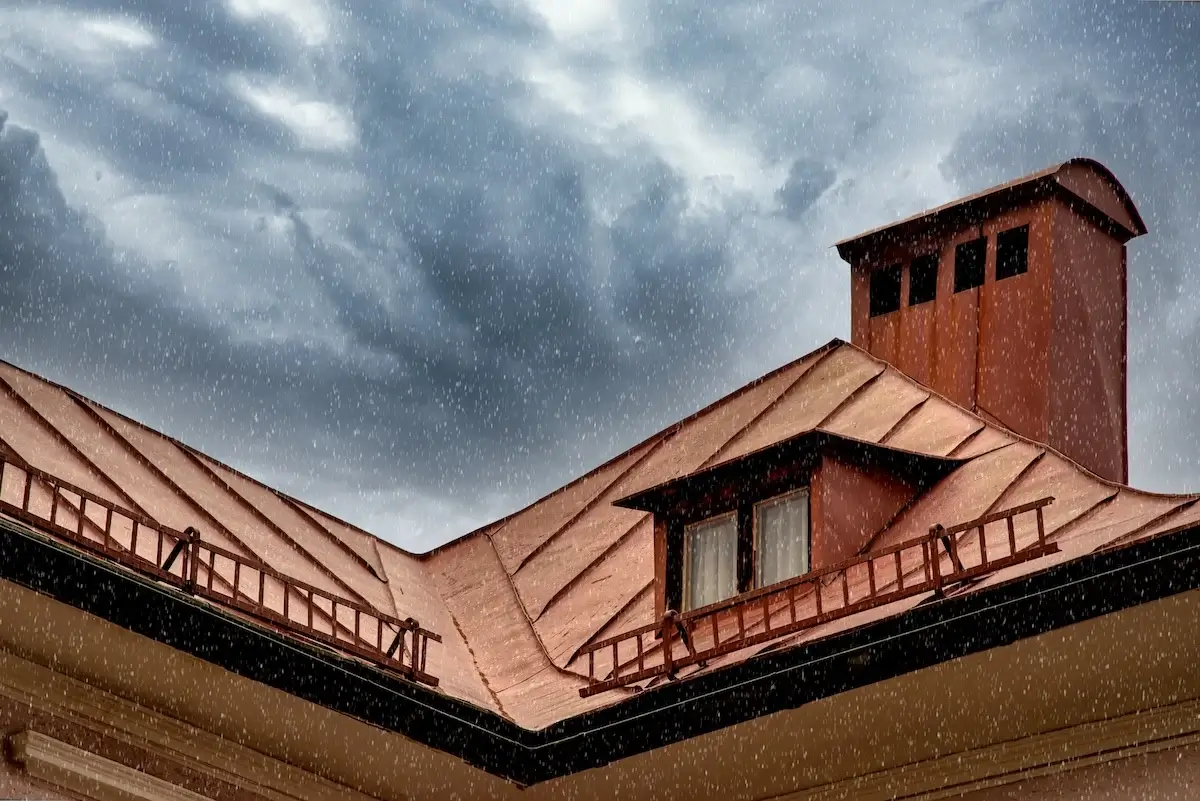
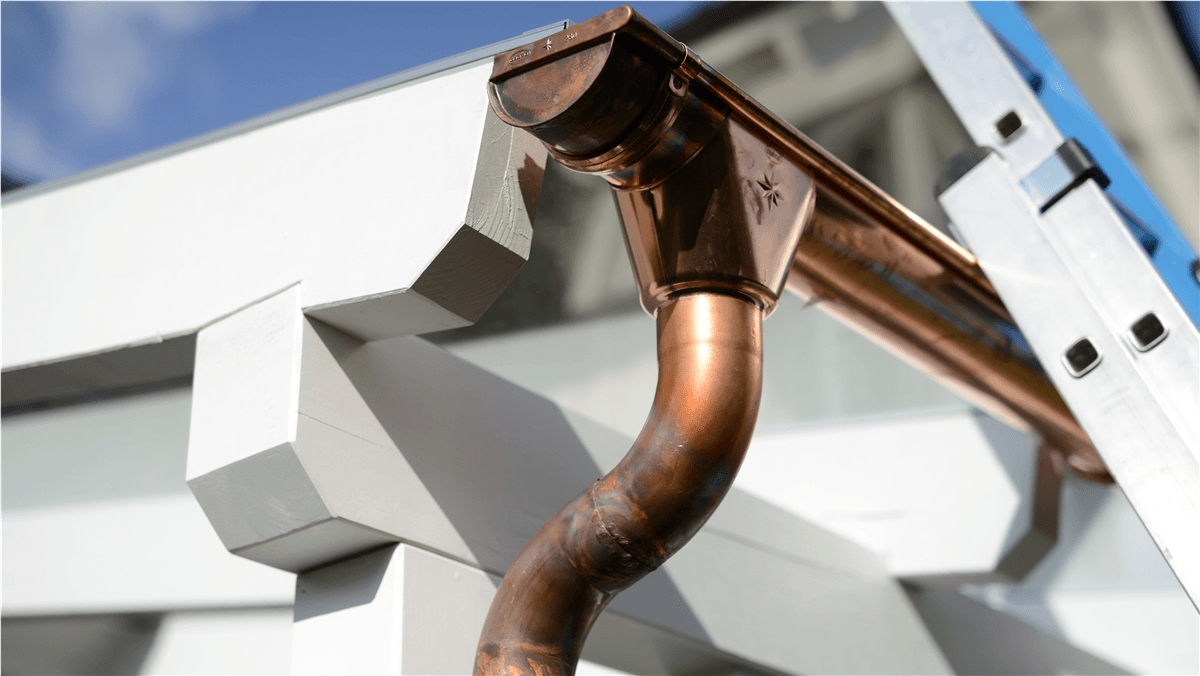
As copper is exposed to rain, sun, and fluctuating temperatures, its surface reacts with oxygen, carbon dioxide, and moisture. The result is a natural patina that varies in color, ranging from brown to green. Many homeowners appreciate the beauty of a weathered copper roof, as it adds character to a property. Beyond aesthetics, this oxidation process forms a barrier that shields the metal from further corrosion, extending its lifespan.
Regions with high humidity levels or coastal climates may notice a faster oxidation process. However, this does not weaken the roof; rather, it strengthens it. Unlike iron, which rusts and weakens over time, copper undergoes a beneficial transformation that enhances its resilience.
Comparing Aged Copper Shingles and Modern Copper Roofs
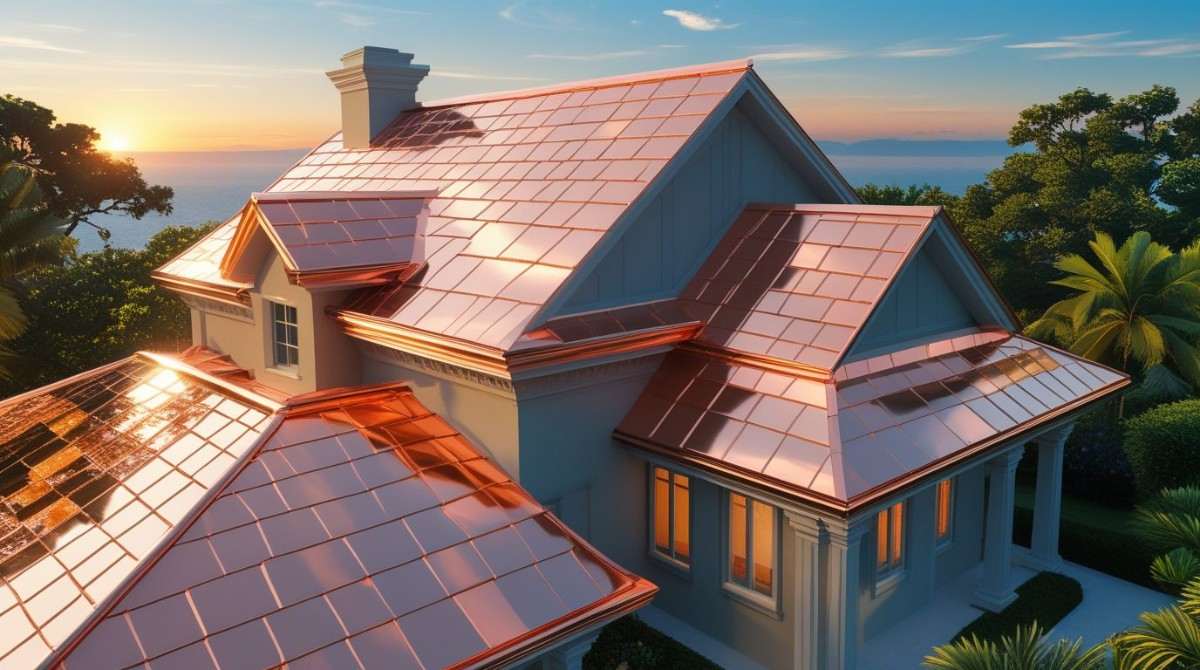
Copper roofs have evolved over time, with new installation techniques making them more accessible to homeowners. Aged copper shingles offer a classic, antique look, while modern copper roofs provide sleek, contemporary aesthetics. The main difference between these styles is the stage of oxidation.
Aged copper roofs already have a developed patina, giving them a rustic greenish hue. In contrast, newly installed copper roofs start with a bright, shiny appearance that gradually changes over the years. Some homeowners prefer to speed up the aging process using chemical treatments, while others let the roof age naturally.
Regardless of the style chosen, both aged and modern copper roofs share the same durability. Their ability to withstand extreme weather conditions and resist decay makes them an excellent investment for long-term roofing solutions.
The Cost of Copper Roofing and Its Long-Term Value
One of the biggest concerns homeowners have when considering copper roofing is the price. Copper roof cost is significantly higher than other roofing materials, making it a premium option. However, when comparing longevity and maintenance requirements, it proves to be a cost-effective choice in the long run.
The cost of a copper roof varies based on several factors, including the size of the roof, the complexity of installation, and the type of copper shingles used. On average, copper shingles price can range from $15 to $30 per square foot, with installation costs increasing the total expense.
When evaluating costs, it is essential to consider the longevity of copper roofs. Unlike asphalt or wood shingles that need frequent replacements, a well-maintained copper roof lasts a lifetime. Over decades, the reduced need for repairs or replacements offsets the initial investment, making copper an economically viable option for those planning for the long term.
Faux Copper Roofing vs. Real Copper: What’s the Difference?

1. Cost Considerations
- Faux copper roofing is a budget-friendly alternative to real copper.
- It provides a similar aesthetic at a fraction of the cost.
2. Material Composition
- Faux copper roofing material is usually made from coated steel, aluminum, or synthetic composites.
- Real copper roofing is made from 100% pure copper, which contributes to its durability and longevity.
3. Appearance and Aesthetic Appeal
- Faux copper roofing mimics the look of real copper, often designed to resemble its natural metallic finish.
- Initially, both real and faux copper roofs may look similar, but their appearance changes over time.
4. Oxidation and Patina Development
- Real copper undergoes a natural oxidation process, forming a protective patina over time.
- Faux copper materials do not develop a patina and require coatings to maintain their look.
5. Durability and Longevity
- Real copper roofing can last 100+ years due to its self-protecting properties.
- Faux copper roofing may degrade faster, requiring repainting or replacement over time.
6. Weather Resistance
- Real copper withstands harsh weather conditions and becomes stronger with oxidation.
- Faux copper roofing may be prone to wear and tear, especially if the coating deteriorates.
7. Maintenance Requirements
- Real copper roofing requires minimal maintenance due to its natural weather resistance.
- Faux copper panels may need regular upkeep, recoating, or repainting to maintain their appearance.
8. Lifespan
- Copper roofs can last for centuries, making them a long-term investment.
- Faux copper roofs have a shorter lifespan, making them less cost-effective over time.
9. Value Addition to Property
- Real copper roofing increases property value due to its prestige, durability, and longevity.
- Faux copper roofing offers aesthetic appeal but does not significantly enhance long-term property value.
10. Ideal Choice Based on Priorities
- For longevity and value → Real copper is the best choice.
- For cost-effectiveness and short-term aesthetics → Faux copper roofing can be a suitable alternative.
Maintenance Tips to Extend the Life of a Copper Roof
Although copper roofs require minimal maintenance, proper care ensures their longevity. One of the best ways to maintain a house copper roof is through periodic inspections. Checking for loose panels, cleaning debris, and ensuring proper drainage can prevent unnecessary damage.
Unlike traditional roofing materials, copper does not require sealing or painting. However, avoiding harsh chemical cleaners is essential, as they can interfere with the natural oxidation process. Homeowners should also monitor any structural issues, such as faulty flashing or clogged gutters, to maintain the roof’s integrity.
Is a Copper Roof Worth the Investment?
When considering roofing options, the question of whether copper is worth the investment often arises. While the copper roof cost is higher than other materials, its ability to last over a century makes it a compelling choice. The self-protecting nature of copper, combined with its timeless appeal, ensures that homeowners get value for their money.
Unlike roofs that require constant maintenance or replacement every few decades, a copper roof provides peace of mind with its durability. For those looking for a roofing material that enhances property value, withstands harsh weather conditions, and adds elegance to a home, copper remains unmatched.
Final Thoughts
A copper roof is more than just a roofing choice—it is an investment in durability, elegance, and long-term performance. With a lifespan that outlasts many other materials, it stands as a testament to strength and resilience. While the initial cost may seem steep, the benefits far outweigh the expenses in the long run.
Whether choosing aged copper roof shingles, a modern copper roof, or considering faux copper roofing material, homeowners should evaluate their needs and budget. With proper installation and minimal maintenance, a copper roof not only enhances a home’s curb appeal but also serves as a protective shield for generations to come.