

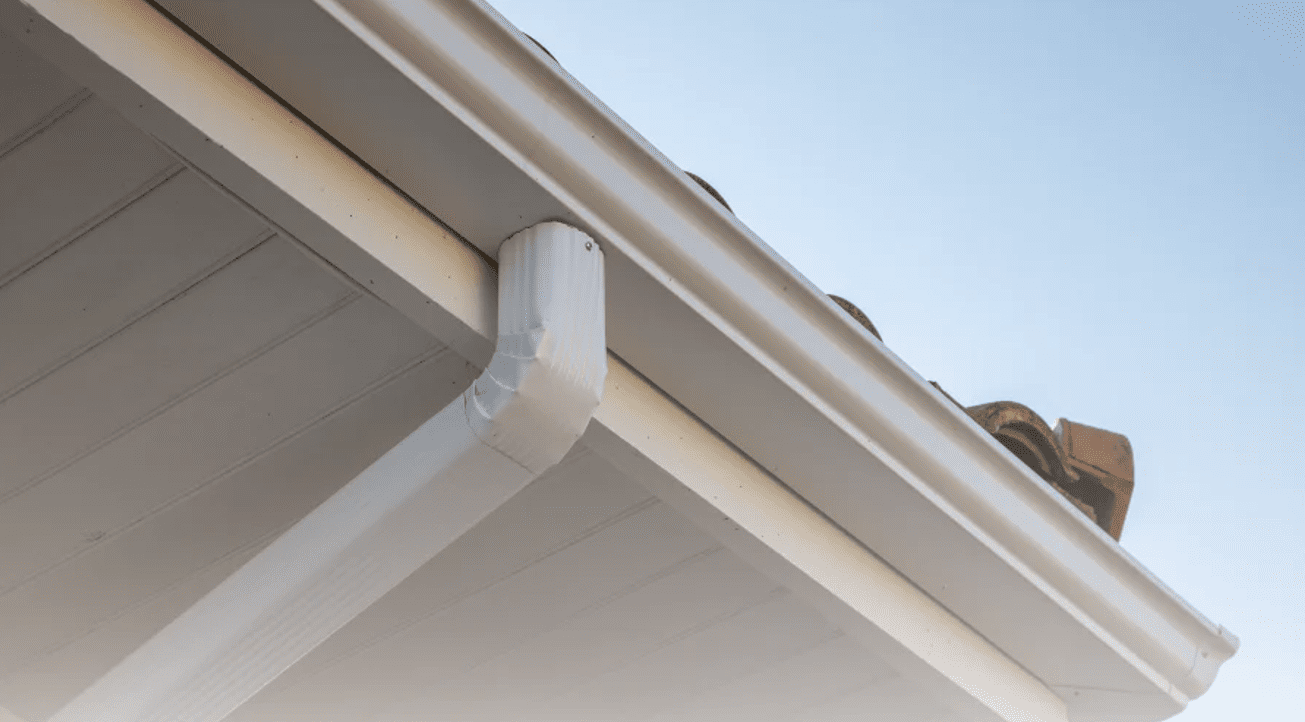
Installing gutters yourself can save money and give you hands-on experience with home maintenance. This comprehensive guide walks you through each phase of the gutter installation process, from initial planning to final maintenance. Whether you’re working with a trusted metal roof services company or tackling this project independently, understanding proper gutter installation techniques helps protect your home from water damage while keeping costs manageable.
Tools and Materials Needed
Successful gutter installation requires specific tools and materials. You’ll need a sturdy ladder for safe roof access, a tape measure for precise measurements, and a chalk line to mark the gutter path. A power drill secures brackets effectively, while tin snips cut gutters to proper length. A level keeps everything aligned correctly.
Material requirements include gutters, downspouts, elbows, and mounting brackets. You’ll also need screws for fastening and high-quality sealant to prevent leaks. Having all items ready before starting prevents delays and keeps your project moving smoothly.
Measuring and Planning
Accurate measurements form the foundation of proper gutter installation. Measure the entire roofline where gutters will be mounted, noting any architectural features that might affect placement. Study your roof’s slope and design to determine optimal downspout locations for effective water drainage.
Map out your complete gutter system, considering water flow direction and potential obstacles like vents or corners. Calculate total gutter length needed and determine downspout quantity based on roof area and local rainfall patterns. Thorough planning prevents costly mistakes and creates a system that protects your home effectively.
Installing Gutter Hangers
With measurements complete, focus on installing gutter hangers along the roofline. These brackets provide structural support and maintain system stability. Space hangers no more than 36 inches apart for proper weight distribution across the entire system.
Use your chalk line to guide hanger placement, maintaining consistent slope toward downspout locations. Attach hangers to fascia boards or rafter tails using appropriate screws, ensuring penetration into solid wood for maximum holding power. Follow manufacturer specifications for spacing and attachment methods to guarantee long-term performance.
Attaching Downspouts
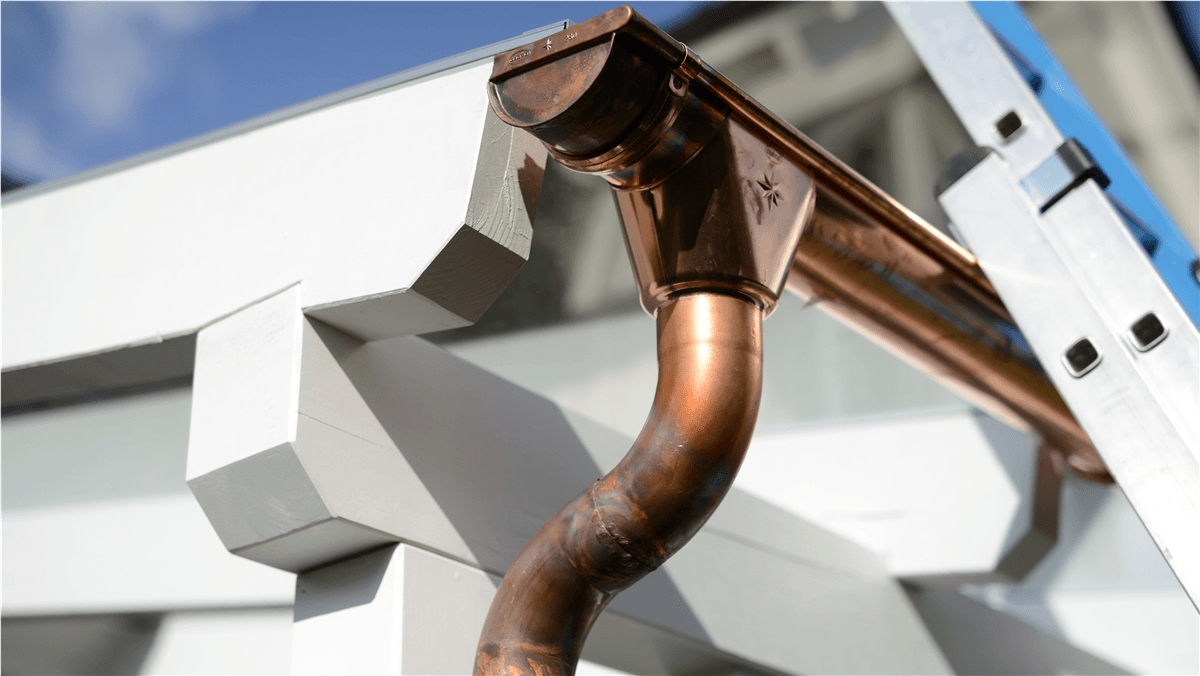
Downspout installation requires careful attention to alignment and secure mounting. Position each downspout to align perfectly with gutter outlets, creating smooth water flow from roof to ground level. Check that downspouts sit plumb against the wall before securing them permanently.
Use a level to verify proper alignment, then fasten downspouts with sturdy screws or brackets. Pay attention to the angle and positioning to maintain efficient water direction away from your foundation. Proper downspout placement prevents water accumulation near your home’s base.
Securing End Caps
End caps require careful sealing to prevent water leakage from gutter terminals. Start by cleaning both the end cap and gutter thoroughly, removing any debris that might interfere with proper sealing.
Apply high-quality gutter sealant generously to create a strong, waterproof bond. Press the end cap firmly against the gutter end, holding steady pressure while the sealant sets. Remove excess sealant immediately for a clean appearance, then allow complete drying time before testing the seal’s effectiveness.
Maintenance Tips
Regular maintenance keeps your gutter system functioning properly year-round. Inspect gutters twice annually, particularly after severe weather, checking for damage or blockages that could impair performance.
Clean gutters by removing leaves, twigs, and accumulated debris, starting near downspouts and working backward. Clear downspout obstructions and verify secure attachment points. Address leaks and rust spots immediately to prevent extensive damage.
Consider installing gutter guards to reduce debris accumulation and extend cleaning intervals. These protective covers significantly decrease maintenance requirements while preserving system effectiveness. Regular upkeep protects your investment and maintains your home’s exterior integrity.
Other Related Posts: