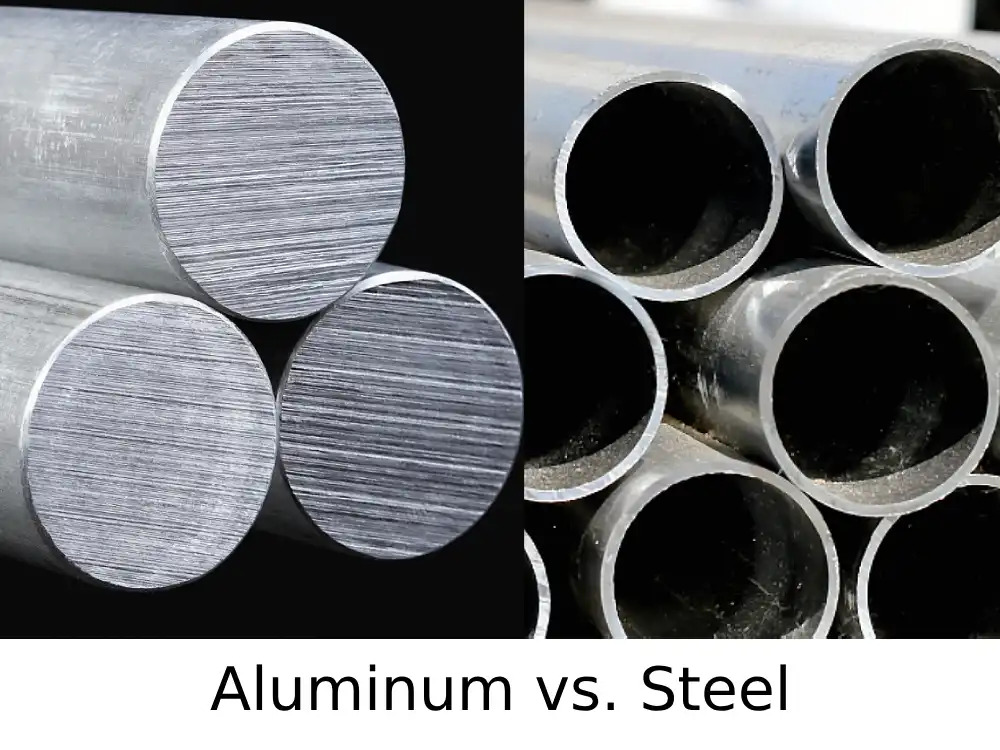
When it comes to the age-old debate of steel versus aluminum, the question of which material is truly cheaper involves many factors worth examining carefully. Most construction projects require careful material selection, and many property owners find themselves consulting with dedicated metal roofers to determine the most cost-effective options for their specific needs. Production methods, raw material costs, and market demands all influence the overall value proposition of these metals. While initial price comparisons might suggest an obvious choice, a deeper examination of long-term efficiency reveals nuances that could significantly impact your decision-making process.
Production Methods Impacting Costs
Production methods play a crucial role in determining the final prices of steel and aluminum. Steel manufacturing involves converting iron ore into molten steel through either the basic oxygen furnace (BOF) or electric arc furnace (EAF) method. The BOF approach excels at efficiently producing large quantities, making it cost-effective for mass production. Aluminum, however, relies primarily on the Hall-Héroult process, which uses electrolysis of alumina and requires significant electricity, driving up production costs. These fundamental differences in manufacturing techniques create the foundation for the price gap between these two metals.
Raw Material Cost Factors
Various raw material factors heavily influence the cost differences between steel and aluminum. Steel’s main ingredient, iron ore, typically costs less than aluminum’s primary raw material, bauxite. Iron ore extraction and processing tend to be more economical due to abundant global reserves and efficient mining methods. Bauxite extraction involves more complex procedures and demands substantial energy inputs, affecting aluminum’s overall cost. Additionally, the energy-intensive electrolysis needed to extract aluminum from bauxite significantly impacts the final price. These raw material considerations contribute substantially to the price differences between steel and aluminum in current markets.
Market Demand and Pricing
Market demand and pricing analysis provides key insights into the comparative cost dynamics of steel and aluminum. Current demand patterns significantly affect metal pricing across industries. Price fluctuations, driven by sectors like automotive, construction, and aerospace, directly impact steel and aluminum costs. Global economic conditions and trade policies can also create price volatility. Steel, with its higher demand in construction and infrastructure projects, experiences price variations different from aluminum, which dominates in automotive and aerospace applications. Understanding these demand shifts and their pricing effects helps businesses make informed material selection decisions in today’s changing market.
Comparing Long-Term Cost Efficiency
When evaluating the long-term cost efficiency of steel versus aluminum, several factors emerge beyond initial purchase price. Though aluminum often has lower upfront costs, steel’s durability and reduced maintenance requirements typically result in better long-term value. Steel’s superior strength and corrosion resistance make it reliable for structures needing longevity with minimal upkeep. Additionally, steel’s recyclability enhances its cost efficiency over time while supporting sustainable practices. Examining factors like lifespan, maintenance expenses, and overall durability reveals steel as the more cost-effective option for many industrial applications. These long-term considerations help decision-makers balance immediate costs with future savings.
Considerations for Your Project
When choosing between steel and aluminum for your project, several key factors deserve careful assessment:
- Structural Integrity: Evaluate your load-bearing requirements, as steel typically offers greater strength than aluminum, making it better suited for heavy-duty applications.
- Environmental Conditions: Assess exposure to elements like moisture and salt, since aluminum provides better natural corrosion resistance than untreated steel, making it ideal for coastal or humid environments.
- Budget Considerations: Compare initial costs against long-term maintenance expenses, as steel may require higher upfront investment but could prove more economical over time due to its durability and minimal maintenance needs.
Other Related Posts: