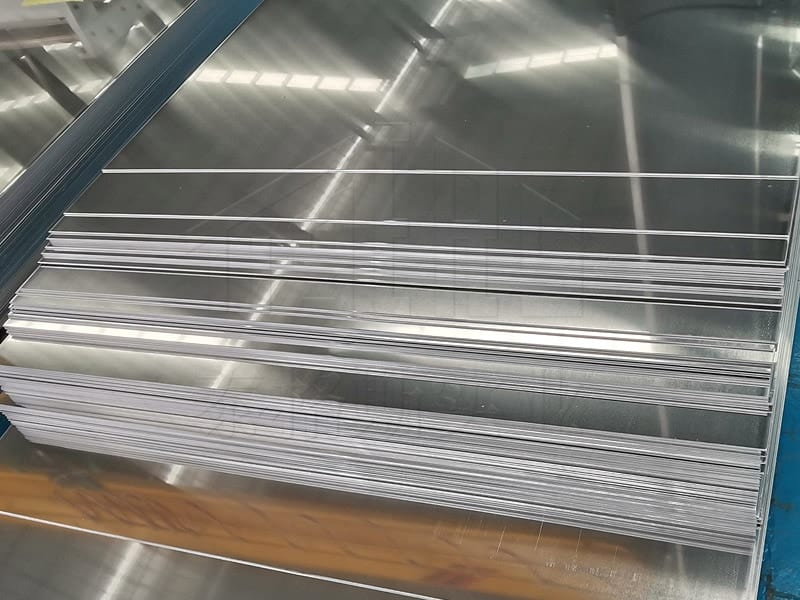
Let’s explore the dimensions of 22 gauge aluminum and uncover its significance across various industries. Many contractors and builders rely on competitive metal roofing services that often use this specific gauge for certain applications. The thickness of 22 gauge aluminum might seem technical, but understanding its precise measurements provides valuable insights into why it’s chosen for specific projects. This knowledge helps professionals make informed decisions about material selection based on project requirements, durability needs, and budget considerations.
What Is 22 Gauge Aluminum?
When working with sheet metal, 22 gauge aluminum refers to the specific thickness of aluminum sheeting. In sheet metal fabrication, gauge measurement determines the appropriate material for particular projects. It’s worth noting that the gauge system works inversely—lower gauge numbers indicate thicker sheets. Therefore, 22 gauge aluminum is relatively thin compared to sheets with lower gauge numbers. This thickness offers an ideal balance of flexibility and durability for many applications. Understanding the properties of 22 gauge aluminum helps professionals make informed material selections, ensuring optimal results for their sheet metal projects.
Understanding Aluminum Gauge Measurement
Understanding aluminum gauge measurement involves interpreting the numerical values assigned to gauge numbers to determine sheet thickness. The aluminum gauge system uses a numerical scale where higher numbers represent thinner metal. For example, 22 gauge aluminum is thinner than 16 gauge aluminum. Each gauge number corresponds to a specific thickness measurement, making it essential to understand this relationship when selecting aluminum sheets. By grasping the gauge measurement system, professionals can accurately choose appropriate aluminum thickness for specific applications, ensuring the material meets necessary structural requirements and project specifications.
Comparing 22 Gauge With Other Gauges
Comparing 22 gauge aluminum with other gauges provides clarity about relative thickness differences in aluminum sheets. Each gauge represents a specific thickness measurement—22 gauge aluminum measures approximately 0.0253 inches thick. For perspective, 24 gauge aluminum (about 0.0201 inches) is noticeably thinner, while 20 gauge (roughly 0.0320 inches) is significantly thicker than 22 gauge. Understanding these incremental differences helps professionals select materials precisely, ensuring the chosen gauge meets their application requirements without overbuilding or underbuilding the project.
Practical Applications of 22 Gauge Aluminum
Practical applications for 22 gauge aluminum sheets span numerous industries, demonstrating its versatility and durability. Common uses include:
- Roofing: 22 gauge aluminum works well in roofing projects because of its lightweight properties and excellent resistance to corrosion.
- Automotive: The automotive industry utilizes this gauge for body panels and trim components, taking advantage of its favorable strength-to-weight ratio.3.
- Fabrication: Metal fabricators prefer 22 gauge aluminum when creating structures, enclosures, and decorative elements because it’s easy to shape and bend while maintaining structural integrity.
These applications highlight the adaptability and reliability of 22 gauge aluminum across diverse fields.
Tips for Working With 22 Gauge Aluminum
Working with 22 gauge aluminum requires specific techniques for optimal results. Use sharp shears or tin snips for cutting to prevent distortion of the material. A bending brake helps create precise bends without damaging the aluminum surface. Work slowly and carefully, as this gauge is more susceptible to damage than thicker alternatives. Secure the material with clamps or jigs during cutting and bending to prevent shifting and ensure consistency. After cutting, deburr the edges to remove sharp points and achieve a professional finish. These techniques help maximize the potential of 22 gauge aluminum while minimizing waste and rework.
Other Related Posts: